

AI Drives Complex Banking Fraud Schemes
As the country prepares for the Easter holidays, South Africa is witnessing a significant increase in complex digital banking scams. These scams are being fueled by rapid advancements in artificial intelligence, making them more sophisticated and harder to detect.
Marius le Roux, the head of fraud operations, client experience, and risk execution at Standard Bank, highlights that modern-day fraudsters are no longer using simple tricks. Instead, they combine AI-driven spoofing, phishing, and vishing techniques to attack consumers from multiple angles. This approach puts many people at risk of both financial loss and emotional distress.
“In recent cases, we’ve seen fraudsters impersonate reputable individuals or bank staff with astonishing accuracy. We’re seeing a rise in scams where AI-generated voices, cloned emails, and deepfake content are used to mimic legitimate communication from the bank,” warns Le Roux.
He emphasizes that today’s scams are more realistic than ever, allowing criminals to manipulate victims into sharing sensitive banking information, granting remote access to their accounts, or investing in fake opportunities.


“As scams become more sophisticated, Standard Bank remains committed to protecting our customers. That’s why we continue strengthening our security measures and empowering customers to stay informed and protected,” says Le Roux.
Phishing: A Persistent Threat
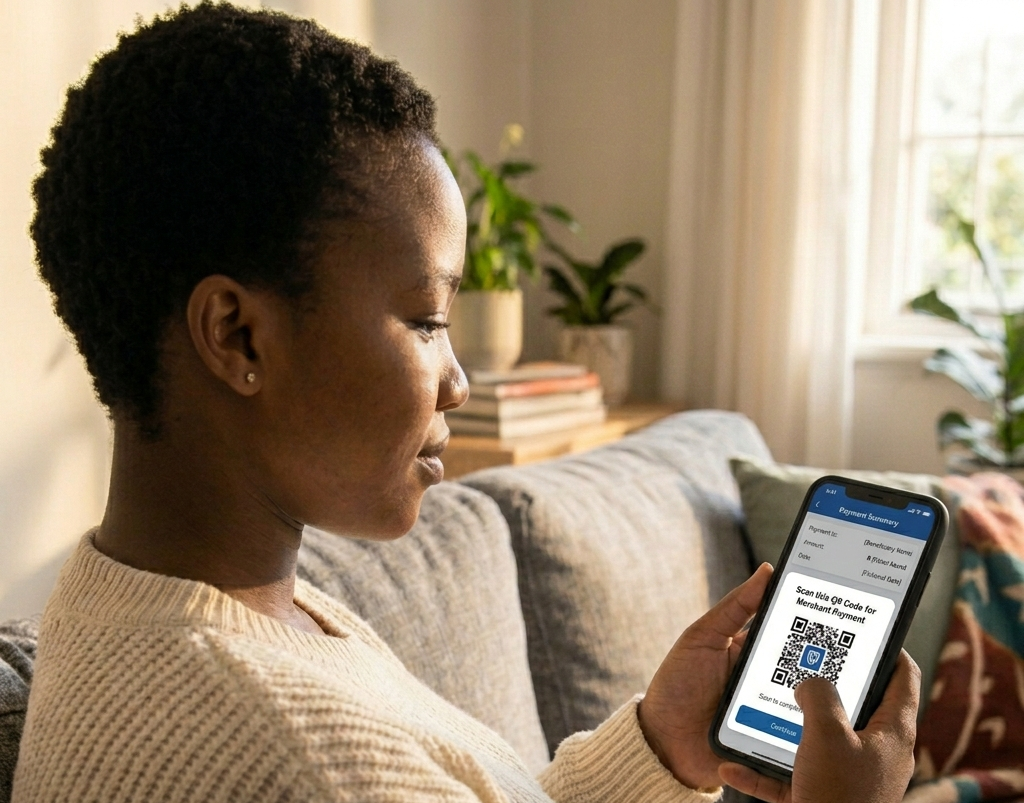
Phishing remains one of the most common methods used by criminals to gain access to accounts. Many victims unknowingly provide login credentials on fake websites or through malicious links and QR codes disguised as bank communications. Standard Bank notes that these scams are becoming increasingly sophisticated, often replicating the bank’s branding so accurately that even cautious consumers may fall victim.
“Once fraudsters have the customer’s username, password, or intercepted One-Time-Pin (OTP), they can rapidly escalate their attack,” explains Le Roux.
He adds that fraudsters often combine phishing with other forms of attacks, such as spoofed phone calls that appear to come from the bank’s real number. During these calls, they try to scare or convince the person into sharing sensitive information like banking details, passwords, PINs, or OTPs. Sometimes they also trick victims into making payments. “The fraudster’s goal is to gain access to the person’s money or personal information by creating a sense of urgency or trust over the phone. It is therefore essential for customers to remain vigilant, verify any suspicious communications, and follow strong security practices to protect their personal and sensitive banking information,” he says.
Le Roux urges customers to take advantage of Standard Bank’s trusted fraud-prevention features. For example, the bank’s Trusted Person tool adds an extra layer of payment protection by allowing a nominated individual to confirm or decline unusual transactions. Its Trust Call technology helps customers identify unknown callers and determine whether a call may be a scam.
How to Protect Yourself from Multi-Layered Scams
Here are some key steps to protect yourself from these growing threats:
- Never click on links, open attachments, or scan QR codes sent through email or text. Standard Bank does not send links or QR codes through email or text for logging in, updating details, redeeming rewards, or ordering cards.
- Never share your sensitive banking information. This includes your login credentials, card number and expiry date, CVV (three digits on the back of your card), OTPs, or ATM PIN.
- Avoid disclosing personal financial details, such as information about your investments or where you hold other financial products.
- Frequently check your account statements. Standard Bank customers can enable MyUpdates through in-App SMSes or emails to notify them of what’s happening on their accounts. This allows them to always track any suspicious or unauthorized transactions and promptly report them.