
No More Need for a Money Belt
Travel is a dynamic experience, and the tools we rely on to make our journeys safer and more convenient often evolve. Some of the most trusted travel accessories have become relics of the past, replaced by modern innovations that offer greater security and ease. One such item that has fallen out of favor is the money belt, once considered an essential piece of travel gear for keeping valuables safe.
Once, the money belt was hailed as a secure alternative to traditional wallets. Travel expert Rick Steves even praised it as “more secure than a travel wallet,” emphasizing its role in providing peace of mind. However, with the rise of digital payment methods and widespread access to ATMs, the relevance of the money belt has significantly diminished. Credit cards, mobile payment apps like Venmo and Wise, and the global availability of ATMs have made carrying large amounts of cash unnecessary, rendering the money belt almost obsolete.
The Decline of the Money Belt
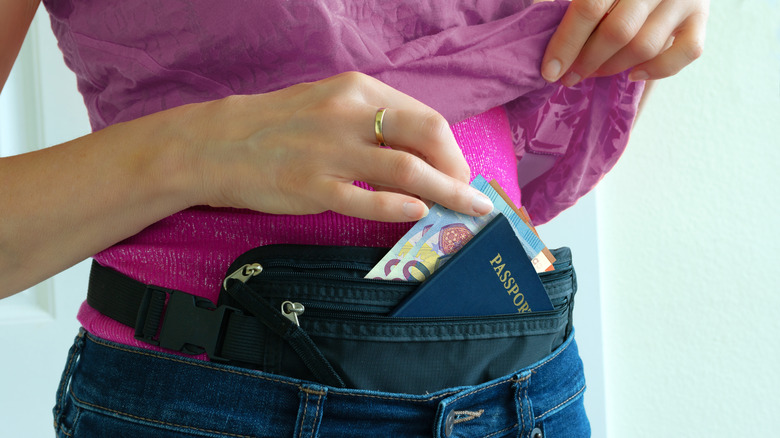
In the past, when international credit card fees were high and ATMs were scarce, money belts made sense. These flat, zippered pouches could be worn around the waist or neck, offering a portable safe for valuables. But today, the idea of carrying large sums of cash seems impractical. Most travelers now rely on digital transactions, making the need for physical currency less pressing.
Moreover, the design of money belts poses several challenges. They are not only uncomfortable but also draw unwanted attention. According to a blog post on Tortuga, a travel-gear website, money belts are anything but inconspicuous. Reaching for cash under your shirt can make you a target for theft, which defeats the purpose of using one in the first place.
Why Money Belts Are Outdated
Another issue with money belts is their impact on comfort and style. When packed with cash and other valuables, they can be cumbersome, especially in warm climates where wearing extra layers is uncomfortable. As Lily Hay Newman writes on Slate, hiding a money belt under light clothing can be challenging and unappealing.
Additionally, many travel professionals argue that money belts are no longer necessary. The way we handle money has evolved, and there are now better alternatives available.
Alternatives to Money Belts
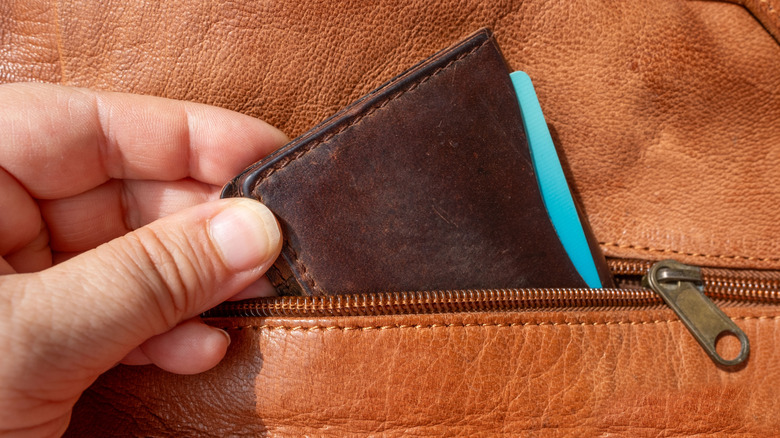
For those looking for safer and more practical ways to carry their valuables, there are several modern options. Crossbody bags with slash-proof fabrics, locking zippers, and hidden compartments have become popular among travelers. Some even use the “bra stash,” a small pouch that can be hidden in undergarments.
Companies like Clever Travel Company offer a range of pickpocket-proof clothing, including underwear, tank tops, scarves, and even scrunchies. Travel pants and vests with discreet, zippered pockets are also great alternatives to traditional money belts.
Tips from Rick Steves
If you’re still using a money belt, Rick Steves offers some advice to help minimize the risk of theft. He suggests treating it as “deep storage” rather than a daily wallet. Keep larger amounts of money in the belt and avoid using it for everyday purchases. Instead, keep a smaller amount of cash in a zippered, Velcro, or buttoned pocket with a flap.
It’s also important to use the money belt correctly. Misusing it can increase the risk of being targeted by thieves. As Steves notes, he once met an American woman whose purse was stolen, and her money belt was inside it.
Conclusion
While the money belt may have once been a staple of travel gear, its relevance has waned in the face of modern technology and changing travel habits. With a variety of alternatives available, travelers can now choose more comfortable, stylish, and secure ways to carry their valuables. Whether you opt for a crossbody bag, a pickpocket-proof garment, or a combination of these, the key is to stay informed and prepared for any situation.