
Gold and Silver Drop, Then Rally on Trump’s Iran Speech
Gold’s Unexpected Struggles in a Time of Crisis
Gold, traditionally seen as a safe-haven asset during times of uncertainty, has faced a surprising downturn in recent months. Despite the ongoing conflict in the Middle East and rising financial market volatility, the precious metal has experienced significant declines, challenging its long-standing reputation.
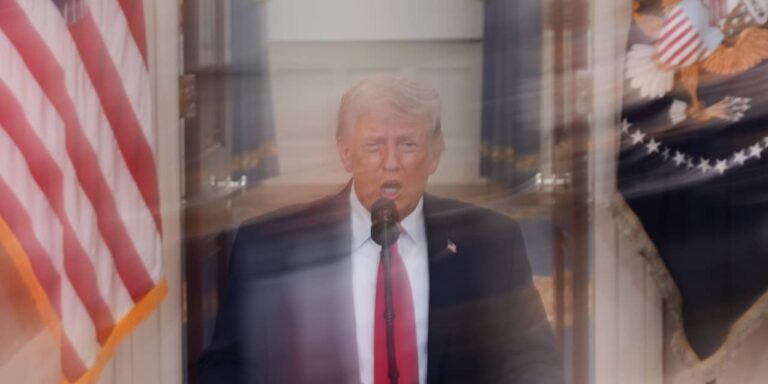
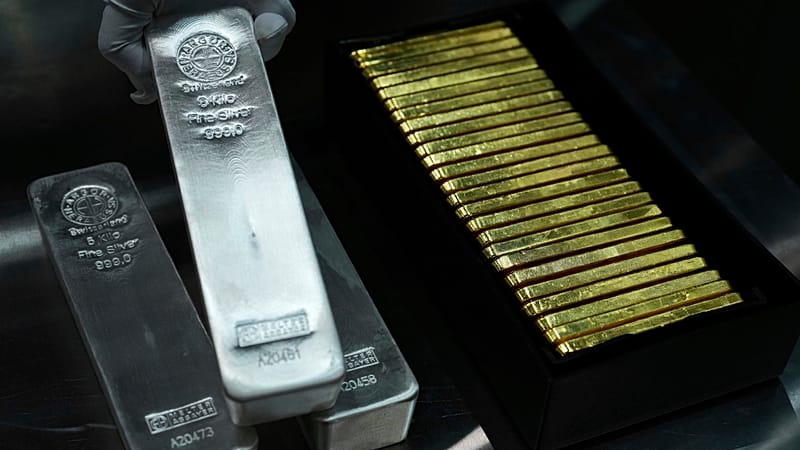
On Monday, spot gold fell to a 2026 low near $4,100 before recovering to above $4,400 after US President Donald Trump announced a delay in military strikes against Iranian power plants. This dramatic swing of around $300 within hours highlights the extreme volatility in the market. Since hitting a record high of $5,594.82 an ounce on January 29, gold has lost more than 20% of its value.
Silver has also suffered, losing nearly half its value since reaching an all-time high of $121.67 in January. Spot silver was down 8.9% at $61.76, marking a year-to-date low and almost half of its $117 level on February 28, when the Iran war began. The sharp decline has left many investors confused, as they had expected precious metals to remain resilient during times of crisis.
The Impact of Oil Shocks
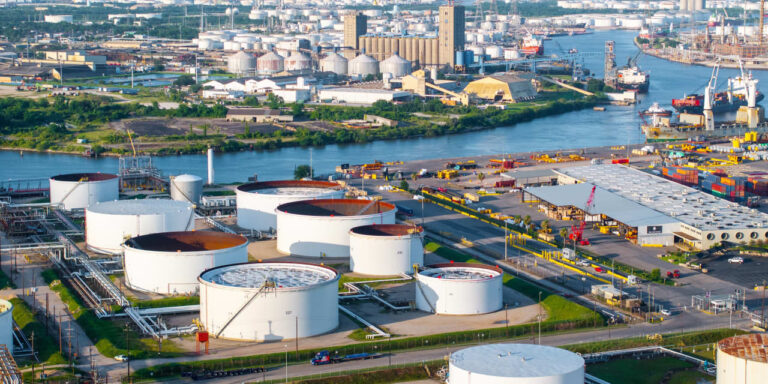
One of the main factors behind this sell-off is the ongoing oil shock. As crude prices surge past $100 a barrel, bond yields are climbing, and the US dollar is strengthening. This makes precious metals less attractive to investors who are bracing for higher interest rates.
The dollar has emerged as a clear safe-haven winner, strengthening over 2% so far this month. For a non-yielding asset like gold, this is a double blow. Additionally, the prospect of higher interest rates due to the war is boosting government bonds among investors, further pushing precious metals to the sidelines.
Lessons from History
Despite the current challenges, seasoned observers caution against writing off gold just yet. Russ Mould, investment director at AJ Bell, points out that gold is in the middle of only its third major bull run since 1971. He notes that previous bull runs also experienced significant fluctuations.
“Neither interest rates staying higher for longer nor a stronger dollar may help the investment case for precious metals, but both the 1971-1980 and 2001-2010 bull runs saw several retreats which did not ultimately nullify or prevent major gains,” Mould said.
During the first bull run, triggered by Richard Nixon’s decision to decouple the dollar from the gold standard in 1971, gold surged from $35 to a peak of $835 an ounce by January 1980. However, it endured three mini bear markets and five corrections of 10% or more along the way.
The second run, which began in 2001 amid the wreckage of the dotcom bust, was equally volatile, featuring two bear markets and another five double-digit corrections before gold peaked near $1,900 in 2011.
The Paradox of the Current Sell-Off
The paradox at the heart of the current sell-off is that the very crisis that might once have sent investors flooding into gold is now working against it. Rising oil prices fuel inflation fears, which in turn fuel expectations of higher interest rates. Higher rates make gold—which pays no dividend and costs money to hold—less appealing.
“Gold’s status as a haven may now be tarnished in the eyes of some,” Mould said, “as the precious metal is falling in price even as war roils the Middle East and financial markets alike.”
However, not everyone is convinced that the metal’s moment has passed. The inflation and stagflation of the 1970s, partly triggered by the oil shocks of 1973 and 1979, ultimately made gold the standout portfolio pick of that decade. A prolonged conflict that stretches government finances—pushing welfare costs up and tax revenues down, on top of surging defense spending—could yet revive that dynamic.
If central banks respond to recession with fresh rate cuts and quantitative easing, the case for gold as a store of value comes roaring back. “The war in Iran and its effect on oil and gas prices is stoking fears of inflation and how that could force central banks to raise interest rates,” he concluded.