
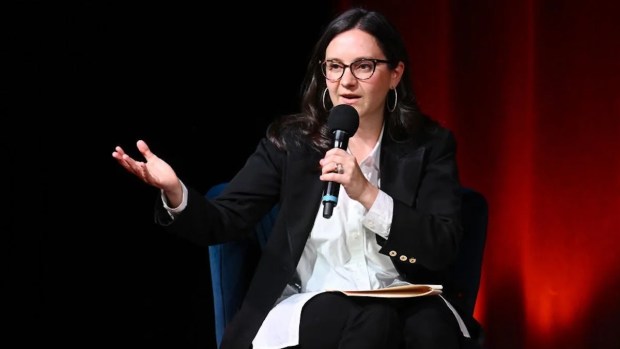
Bari Weiss's Turbulent 6 Months at CBS News: Layoffs, Mistakes, and Falling Ratings
Tony Dokoupil, the new anchor of "CBS Evening News," made a bold promise in January to be more "accountable" and "transparent" than the legendary Walter Cronkite. This commitment was part of the relaunch of the news program under the leadership of editor-in-chief Bari Weiss. However, just a few months later, the ratings for the show have dropped below four million viewers, which is less than half of what David Muir's ABC coverage draws. The legacy of Cronkite and Edward R. Murrow, who were pillars of American journalism, seems to be fading further into the background.
In a recent announcement, Bari Weiss and network president Tom Cibrowski revealed that CBS News Radio, a broadcasting pioneer that has been around for nearly a century, would be shut down as part of a 6% reduction in the 1,100-person newsroom. The decision was attributed to a shift in radio station programming strategies and challenging economic realities. Many news organizations are facing similar economic headwinds, forcing executives to make tough decisions. Weiss, in a January town hall, stated her goal was to "make CBS News fit for purpose in the 21st century." However, it appears that news radio, one of the most significant innovations of the 20th century, is not part of this vision. (Though, presumably, audio journalism would be in some fashion.)
Paramount CEO David Ellison, who acquired Weiss' Free Press in October for $150 million and appointed her CBS News editor-in-chief, has said he wants the network — and eventually CNN — to appeal to the "70% of Americans who are in the middle," from center-left to center-right. CBS News Radio arguably fit that bill, providing straight, nonpartisan news to 700 affiliate stations around the country.
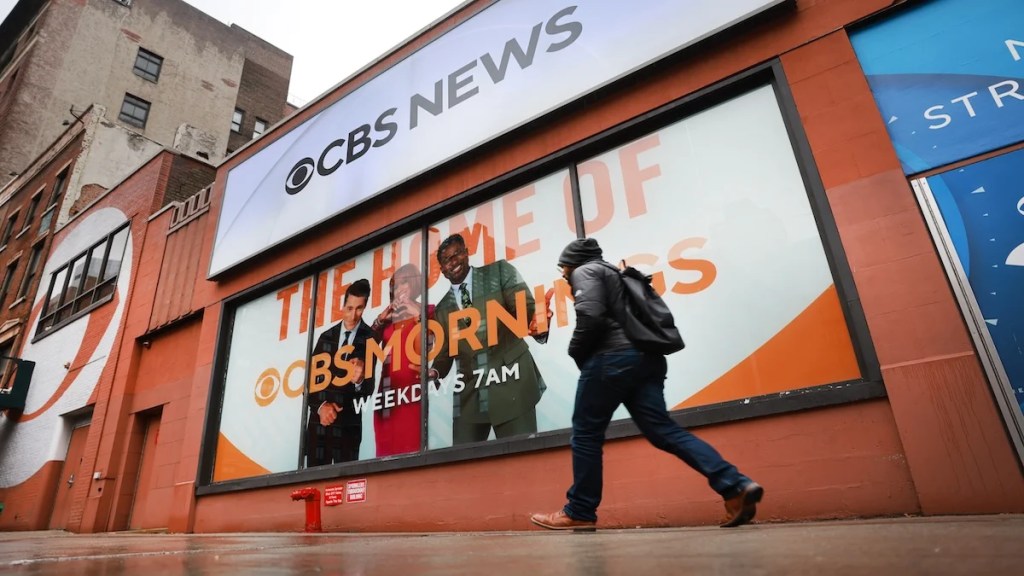
The news of the layoffs at CBS News has sparked widespread concern among journalists. David Cruz, deputy politics editor of Newsday and president of the New York Press Club, wrote on X that "of all the newsroom cuts, this is by far one of the worst." He emphasized that so many good journalists work in radio, carrying out the art of weaving storytelling with fact-based news.
As Weiss nears six months at the helm, it's still unclear how exactly CBS News aims to reach this potential mass audience — and without alienating existing viewers of programs like ratings standout "60 Minutes" in the process.
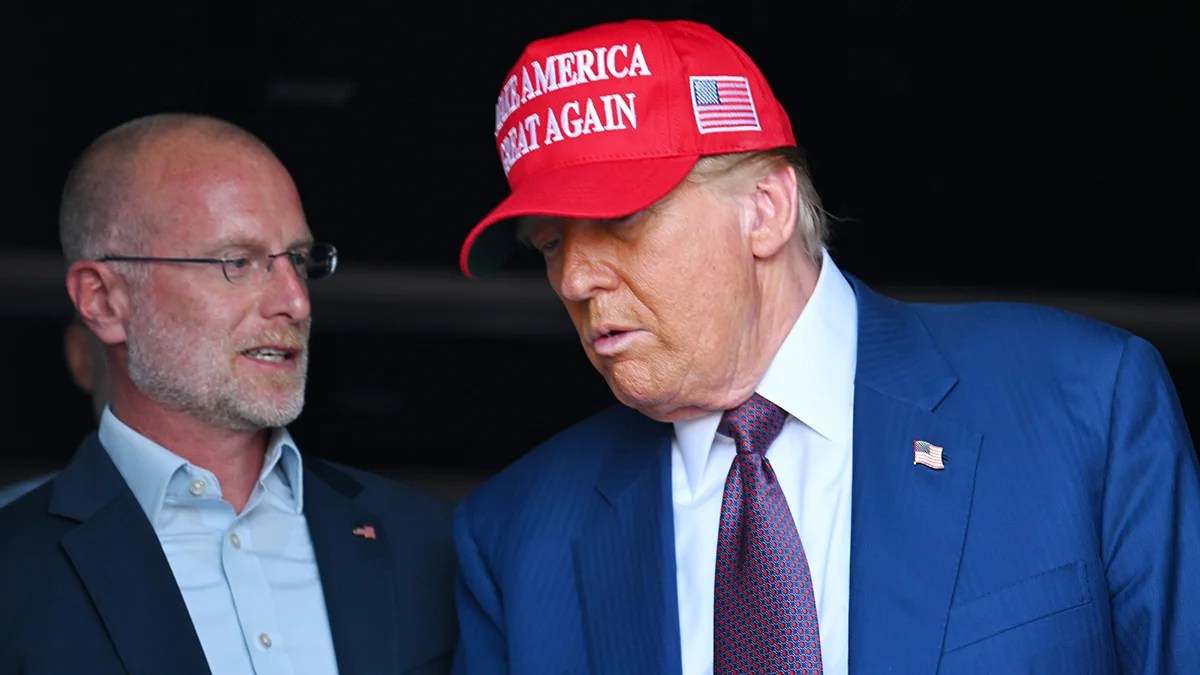
Weiss, a right-leaning political commentator with no TV news background, has made several controversial moves in her tenure, notably shelving a "60 Minutes" segment just hours before broadcast, prompting accusations of political interference and questions about her inexperience. After a media firestorm, CBS ultimately aired the piece largely unchanged.
One of Weiss' big innovations was to bring in a slate of contributors across politics, tech, and wellness. Weeks later, upon revelations that one of them, longevity expert Peter Attia, exchanged chummy emails with Jeffrey Epstein, it was expected the network would cut ties. Instead, as Jendela Magazine reported, Weiss tried to keep Attia and the network declined to comment for weeks — until Attia eventually left.
At the same time, Dokoupil's on-air framing — including his both-sides treatment of the Jan. 6 attack — has signaled a more Trump-friendly tone. Conservative viewers already have other choices, such as Fox News, which may help explain why the new approach has yet to translate into ratings gains. Weiss' sitdown with conservative activist Erika Kirk also didn't move the needle ratings-wise.
Weiss' social media presence at times has blurred the line between network executive and political pundit. Earlier this month, Weiss posted a fire emoji alongside a clip of Iranian journalist Masih Alinejad blasting New York Mayor Zohran Mamdani, appearing to cosign her critique.
Taken together, such decisions provide an early sense of how Weiss is steering CBS News — and the challenges ahead for a network determined to reach that 70% of Americans in the middle.
Corbin Bolies reports on CBS News cutting 6% of staff, cutbacks that include shutting down CBS News Radio in May. "We understand how difficult this news is for our staff and their colleagues, who have worked side by side with us to cover some of the most significant stories of our time," editor-in-chief Bari Weiss and president Tom Cibrowski told staffers, attributing the "necessary" cuts to shifting radio programming strategies and "challenging economic realities."
The Writers Guild of America, which represents CBS News Radio staffers through its East and West divisions, said the layoffs represented "the recklessness and greed" of CBS News bosses and referenced Paramount's quest to purchase Warner Bros. Discovery, which owns cable outlet CNN.
Media Blame Game
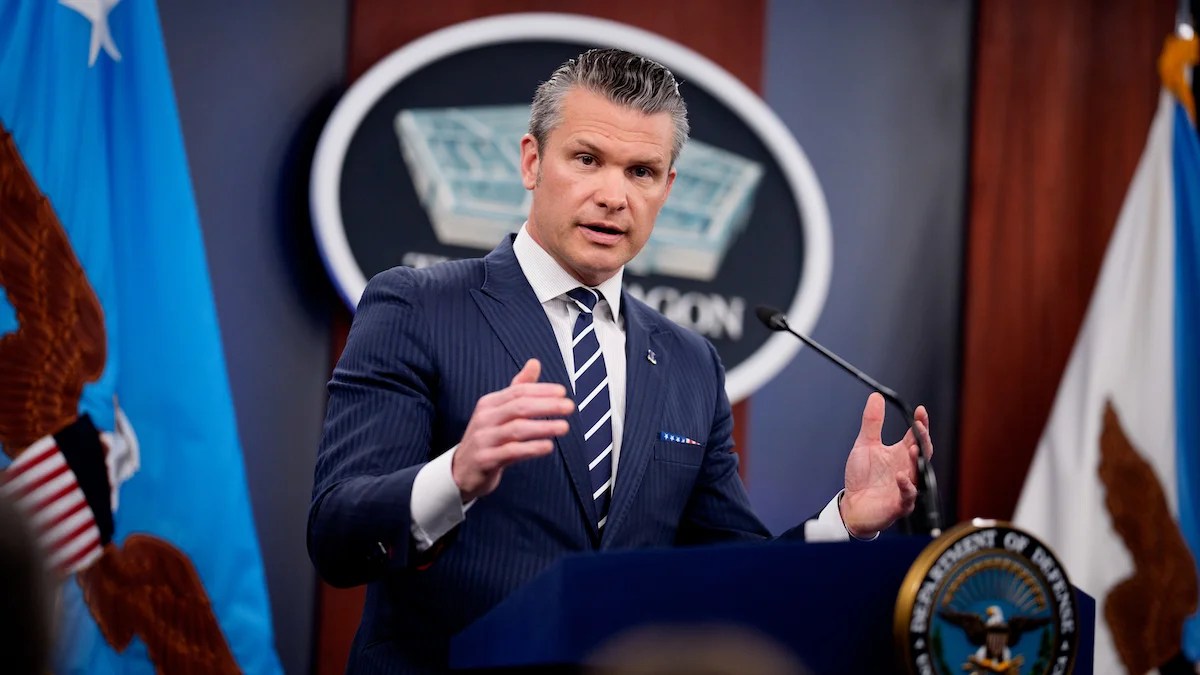
For Pete Hegseth, the questions at a press conference are almost beside the point. "Yes, there are reporters in front of me," he said at a Thursday press conference. "But they are not our audience today. It's you, the good, decent, patriotic American people."
It's a press-bashing routine that has become commonplace in recent weeks at the Pentagon, but Hegseth's broadsides are part of a broader war on the media that is only escalating as the administration grapples with weak polls and fissures in the MAGA media world over the conflict. The attacks on the press are sure to connect with Trump diehards, who overwhelmingly support the war, but it's hard to see them moving the needle with Americans skeptical of the president's handling of the conflict so far.
"The more Hegseth talks trash, the less relevant he becomes," Thomas Ricks, a veteran military journalist and historian, told Jendela Magazine. "From where I sit, it looks to me like he is not really part of running the war, and is more a cheerleader for it. But standing on the sidelines shouting may be all he is capable of doing."
Read my full piece: Team Trump Steps Up Attacks on Media as Iran War Deepens | Analysis
Pentagon press policy ruled unconstitutional
A federal judge ruled Friday in favor of the New York Times in its lawsuit against the Defense Department, finding that the Pentagon's press policy enacted last fall violates the First and Fifth Amendments. Judge Paul Friedman of the U.S. District Court for the District of Columbia said the court will vacate the challenged provisions of the policy, and that the defendants — which include Defense Secretary Pete Hegseth and Chief Pentagon spokesman Sean Parnell — cannot enforce them "to deny, suspend, revoke or not renew" Times reporter and plaintiff Julian Barnes's press badge.
"The New York Times welcomes today's ruling, which enforces the constitutionally protected rights for the free press in this country," Charlie Stadtlander, a spokesperson for The Times, said in a statement to Jendela Magazine. "Americans deserve visibility into how their government is being run, and the actions the military is taking in their name and with their tax dollars."
"We disagree with the decision and are pursuing an immediate appeal," Parnell wrote on X.
My piece on this major win for the press: Judge Rules Pentagon's Press Policy Violates First and 5th Amendments in Victory for New York Times
And earlier on the case: New York Times Case Against the Pentagon Heads to Court as Iran War Escalates | Analysis
Erin Burnett on covering Iran war
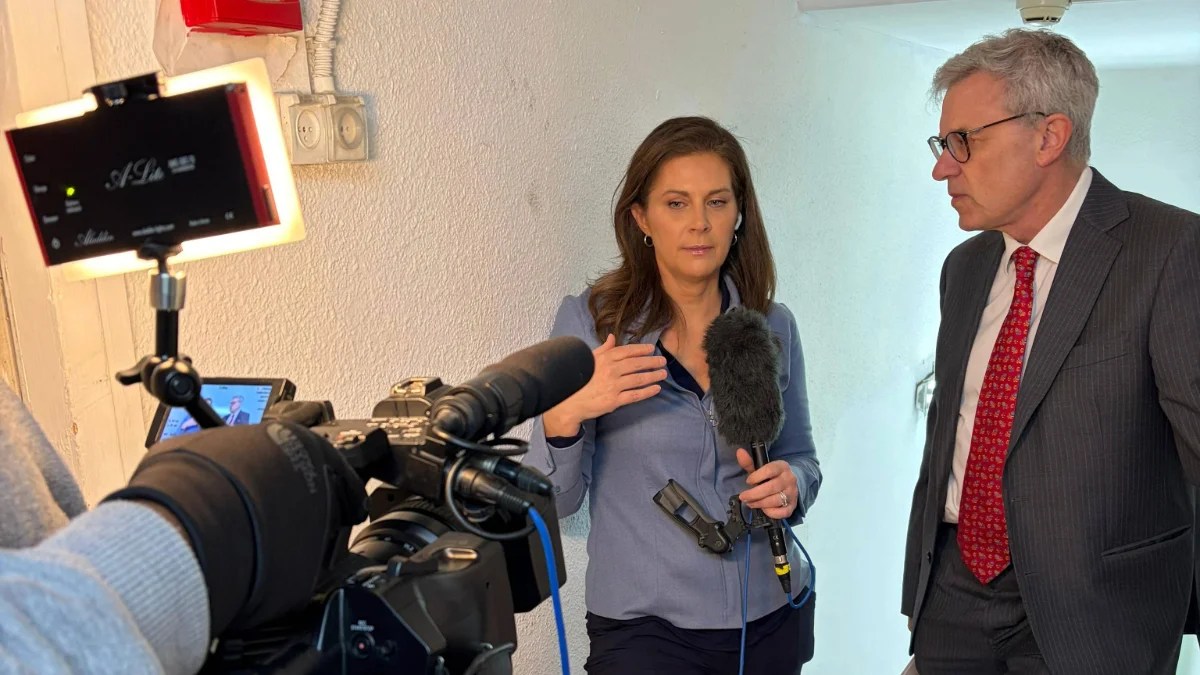
Corbin Bolies caught up with CNN's Erin Burnett at Hudson Yards for her first show back after anchoring the past couple weeks in Tel Aviv covering the war in Iran.
"It was hard to leave this time," she said, struggling to find the words. "When you're in the midst of something, there's an adrenaline, there's a feeling of, you're committed, you're a part of seeing something and watching something and then coming out of it is — it's a very unmoored feeling."
Bolies and Burnett discussed government criticism of CNN's war coverage, along with rumors that her job could be in jeopardy when Paramount CEO David Ellison takes control of CNN by acquiring Warner Bros. Discovery.
Check out the revealing interview here: CNN's Erin Burnett: Why Her On-the-Ground Iran War Reporting Made It 'Hard to Leave'
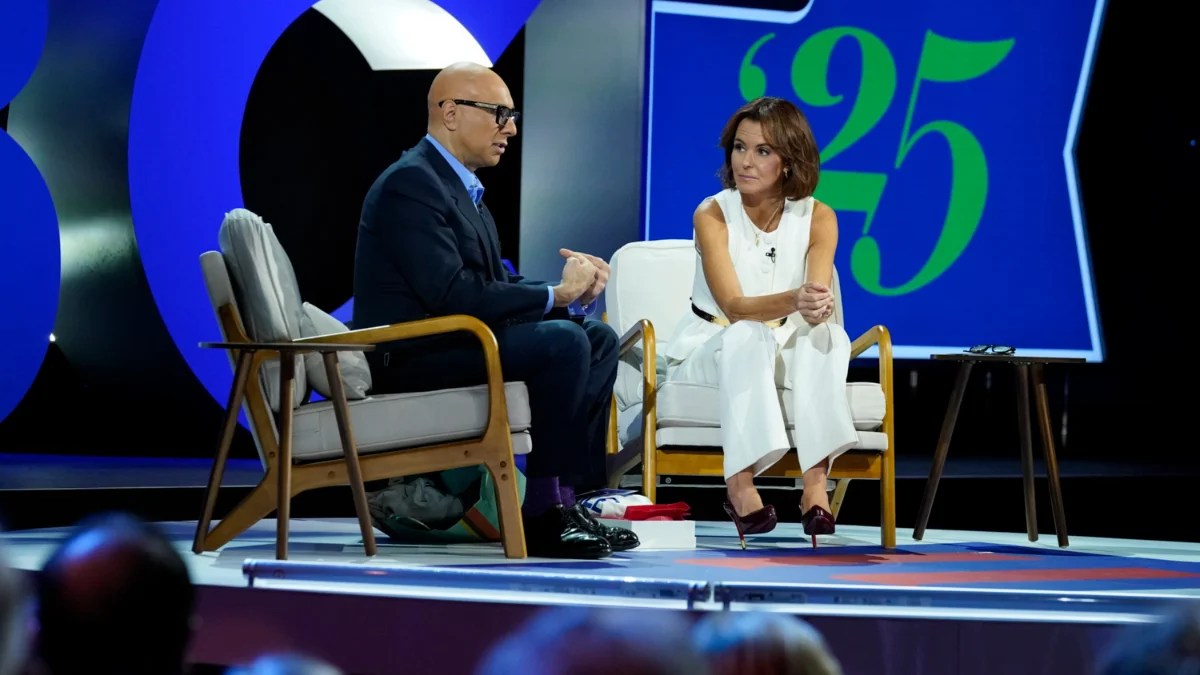
MS NOW Revamps Lineup
MS NOW president Rebecca Kutler is making sweeping changes to daytime, primetime and weekend programming effective this June: "Morning Joe" returns to three hours daily, and Chris Hayes resumes hosting Mondays.
Plus: Stephanie Ruhle will host mornings from 9 a.m. to 11 a.m., and Alicia Menendez from noon to 2.m.; Luke Russert joins "The Weeknight" crew, and Ali Velshi will host "The 11th Hour."
For more on what to expect from MS NOW's lineup shake-up, check out Bolies' piece: MS NOW Overhauls Lineup With New Shows for Stephanie Ruhle, Ali Velshi and Alicia Menendez
An to get a better sense of Kutler's strategy for the network, see Bolies' December piece: Inside Rebecca Kutler's Ambitious MS NOW Experiment
Will the courts stop Trump's Kennedy Center overhaul?
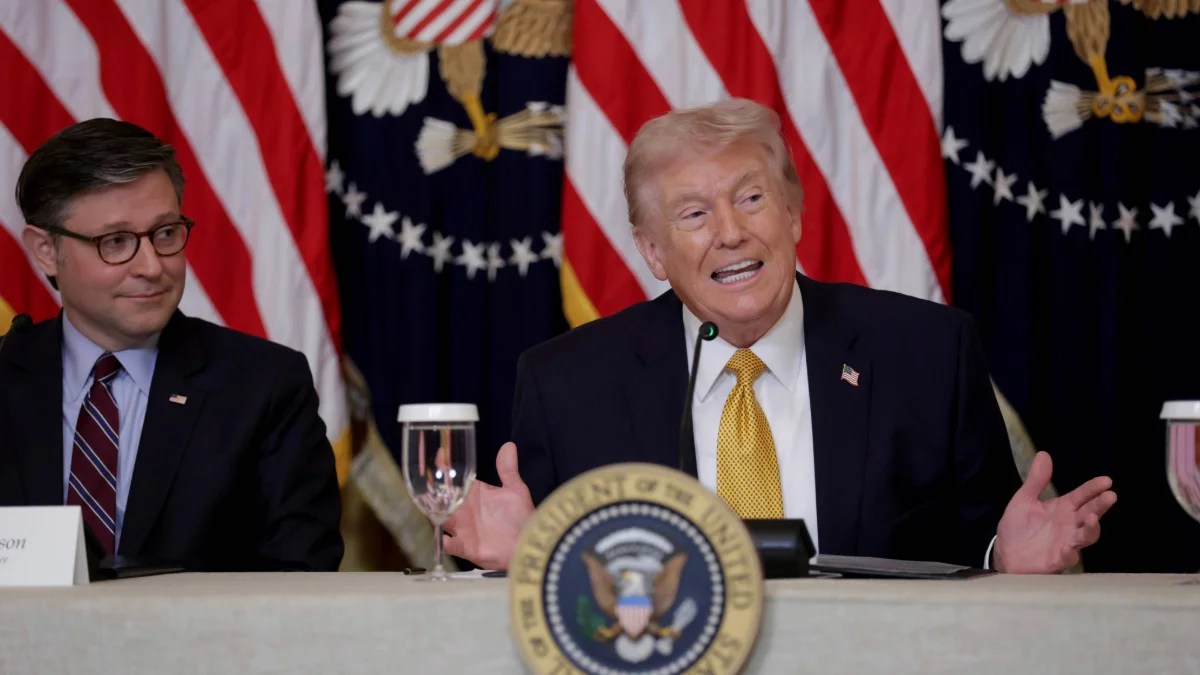
President Donald Trump kicked off a Kennedy Center board meeting at the White House by accusing past management of letting the institution "go to hell." The cultural institution, he said, was in "very bad condition," "a disaster," "abysmal" and "on the verge of collapse" — all while offering programming that was "very woke and out of touch with reality."
It was a brutal assessment of the Kennedy Center — and a convenient one. By asserting that the Kennedy Center was "failing," Trump can more easily justify his heavy-handed reshaping of it, including the extraordinary decision to close it for two years for renovations — a move that has elicited a lawsuit from Ohio Rep. Joyce Beatty, an ex-officio board member.
"It's unlawful," Beatty told reporters after the meeting. "There was no due process of going through anything with the United States Congress, which by law they must do."
Read the rest here: Trump Plows Ahead With Kennedy Center Overhaul as Lawsuit Looms
Also on Jendela Magazine
LA Times Projects News Business to Break Even in 2026
Nexstar Closes $6.2 Billion Tegna Merger With FCC Approval
California, New York and 6 More States Sue to Block $6.2 Billion Nexstar-Tegna Merger
Washington Post Columnist Dana Milbank, Several Reporters Join NOTUS as It Expands in DC
ProPublica's Unionized Staff Vote to Authorize Strike: 'We Are Ready to Walk Off the Job'
Axios Lays Off 11 Newsroom Staffers
What I'm Reading
Rarely does a single article immediately reorient our understanding of history. But since the New York Times published a shocking investigative piece on Wednesday — "Cesar Chavez, a Civil Rights Icon, Is Accused of Abusing Girls for Years" — there has been a swift rethinking of Chavez' legacy and how he has been honored across government and university campuses.
Times reporters Manny Fernandez and Sarah Hurtes first got a tip about Chavez's past in 2021, and have been investigating elements of the story ever since.
Elsewhere in media, tech and politics:
"Inside the White House plan to sell the Iran War online" (Eli Stokols, Ben Johansen, Jack Detsch and Paul McLeary, Politico)
"Maybe Turning War Into a Casino Was a Bad Idea?" (Charlie Warzel, The Atlantic)
"How Will Lewis Lost the Washington Post" (Paul Farhi, Washingtonian)
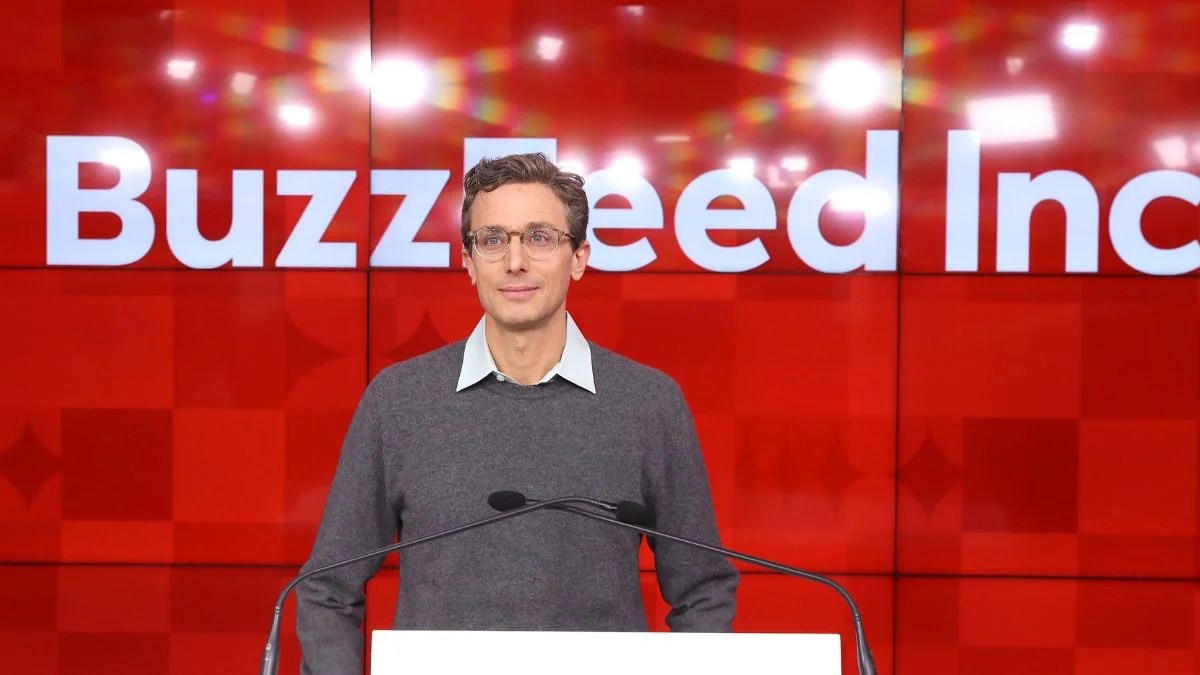
"Can Jonah Peretti Save BuzzFeed From Extinction?" (Ben Mullin, The New York Times)