
Gas-Tax Holidays: How Much Drivers Could Save
Georgia Takes the Lead in Gas Tax Suspension
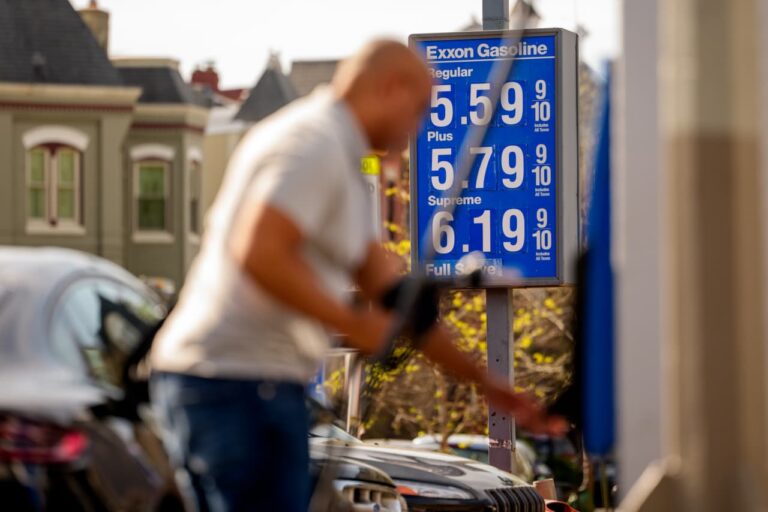
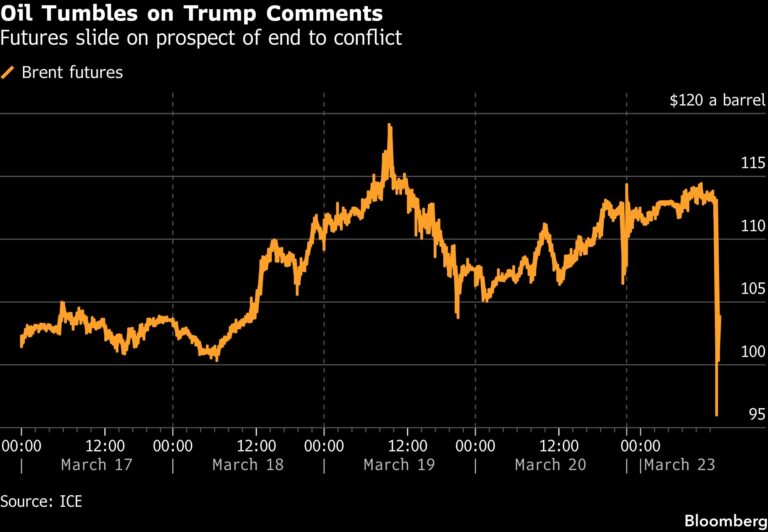
As average gas prices approach $4 per gallon, many drivers are wondering if they will soon see relief from gas taxes. Georgia has taken a bold step by becoming the first state to pause its gas tax. This decision comes as energy markets try to navigate the ongoing conflict with Iran. On Friday, Governor Brian Kemp suspended the 33.3-cent-per-gallon gas tax for 60 days, along with the 37.3-cent-per-gallon diesel tax. This move is expected to impact both consumers and businesses.
According to Patrick De Haan, head of petroleum analysis at GasBuddy, Georgia pump prices dropped approximately 15 cents a gallon from Thursday to Monday. However, due to price increases at the wholesale level, drivers may not see the full 33-cent reduction at the pump. The Penn Wharton Budget Model estimates that Georgia drivers could ultimately see their prices fall by around 25 cents a gallon. This break, however, will cost the state an estimated $370.2 million in missed tax revenue.
Other States Considering Gas-Tax Holidays
Georgia is not alone in considering gas-tax holidays. In Connecticut, Governor Ned Lamont has expressed support for suspending the state’s gas tax. In Maryland, certain Republican legislators back the idea, while in California, some gubernatorial candidates have called for halting the tax. On Capitol Hill, a Democratic bill introduced this month aims to suspend the 18.4-cent federal gas tax through September.
Despite these efforts, it seems unlikely that other states will follow suit. Four years ago, several states paused their gas taxes after Russia invaded Ukraine. Georgia, Connecticut, and Maryland all temporarily halted their state gas taxes then. New York, Florida, Illinois, Colorado, and Kentucky also took similar steps. However, with another surge in oil prices, gas-tax holidays seem less appealing now.
Jared Walczak, senior fellow at the Tax Foundation, notes that the impact of gas-tax holidays is limited. While they result in some savings for drivers, the effect is not as significant as before. Additionally, state tax coffers are not as robust as they were several years ago.
The Impact of Gas Taxes on Consumer Prices
The average state gas tax is currently 28.6 cents per gallon, according to the Energy Information Administration. This is up from 26 cents per gallon in January 2022. Despite the increase, gas taxes are not a major factor in the overall price consumers pay for gas. In January, taxes accounted for 18% of the cost of a gallon of gas, while the cost of oil was 51%, according to the U.S. Energy Information Administration.
Florida Governor Ron DeSantis, a Republican, is skeptical about the effectiveness of a gas-tax holiday now, although state Democratic legislators have called for one. Kent Smetters, faculty director of the Penn Wharton Budget Model, notes that when states paused gas taxes in 2022, the discount did not fully pass on to drivers. On average, only around 72% of the gas-tax reduction was passed along to drivers.
Political Support and Opposition
Where gas-tax pauses are getting attention, state legislators and governors often express support for the measure, even if the conflict in the Middle East concludes. This support does not always align with party lines. In Maryland, Delegate Jason Buckel, the House minority leader, is one of the state’s Republicans seeking a pause on the state’s 46-cent tax. He stated that the goal is to reduce the strain on consumers caused by disruptions in global oil markets.
However, not all governors are in favor. A spokesperson for Maryland Governor Wes Moore rejected the idea of suspending the tax, according to a WTOP report. Meanwhile, in Connecticut, Governor Lamont is seeking to pause the state’s 25-cent tax. According to Smetters, if the state tax was suspended, Connecticut gas prices could fall by about 18 cents a gallon over two months, costing the state almost $81 million.
Criticisms and Concerns
Gas-tax pauses are often seen as symbolic gestures that do not significantly help drivers. Carl Davis, research director of the left-leaning Institute on Taxation and Economic Policy, argues that these measures do not provide meaningful relief. He points out that states losing out on revenue from gas taxes means less money for infrastructure projects that benefit motorists.
For example, pausing the federal gas tax would cost $2.4 billion a month, but a household making less than $53,000 would only save about five dollars a month from the pause. Despite these criticisms, some lawmakers continue to push for gas-tax holidays as a way to ease the burden on consumers.
Join Don’t Short Yourself Live to ask Jendela Magazine’s Beth Pinsker your Roth IRA questions on Wednesday, March 25, at 1:30 p.m. Eastern time.