
Markets Tense as US-Iran Conflict Approaches Month Mark, Ex-NEC Chief Issues Warning
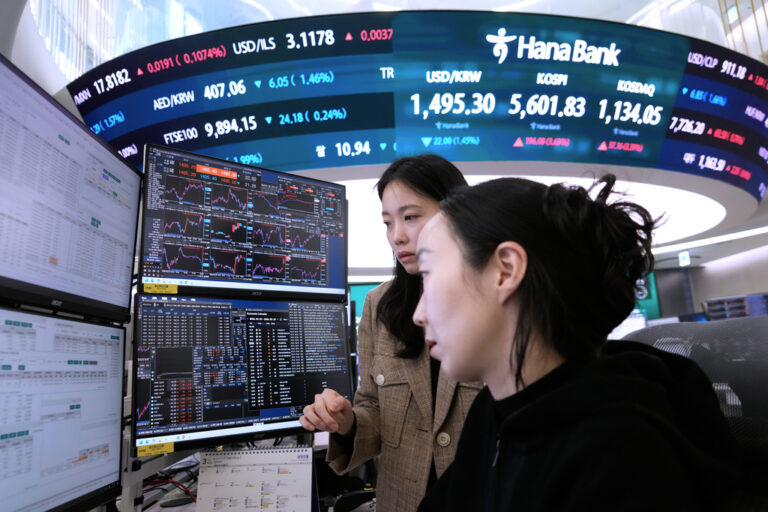
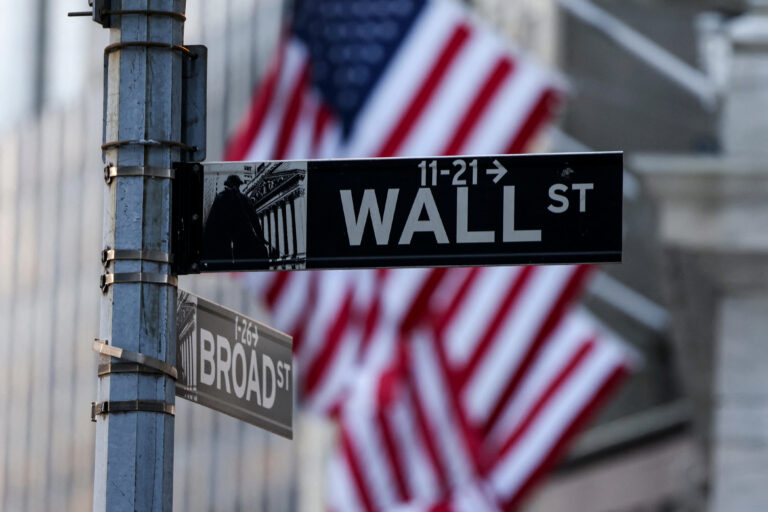
The ongoing conflict between the United States and Iran has created a tense environment in financial markets, with investors closely monitoring every development. Gary Cohn, the former director of the National Economic Council under President Donald Trump, recently highlighted how market volatility is intensifying as the situation in the Middle East continues to unfold.
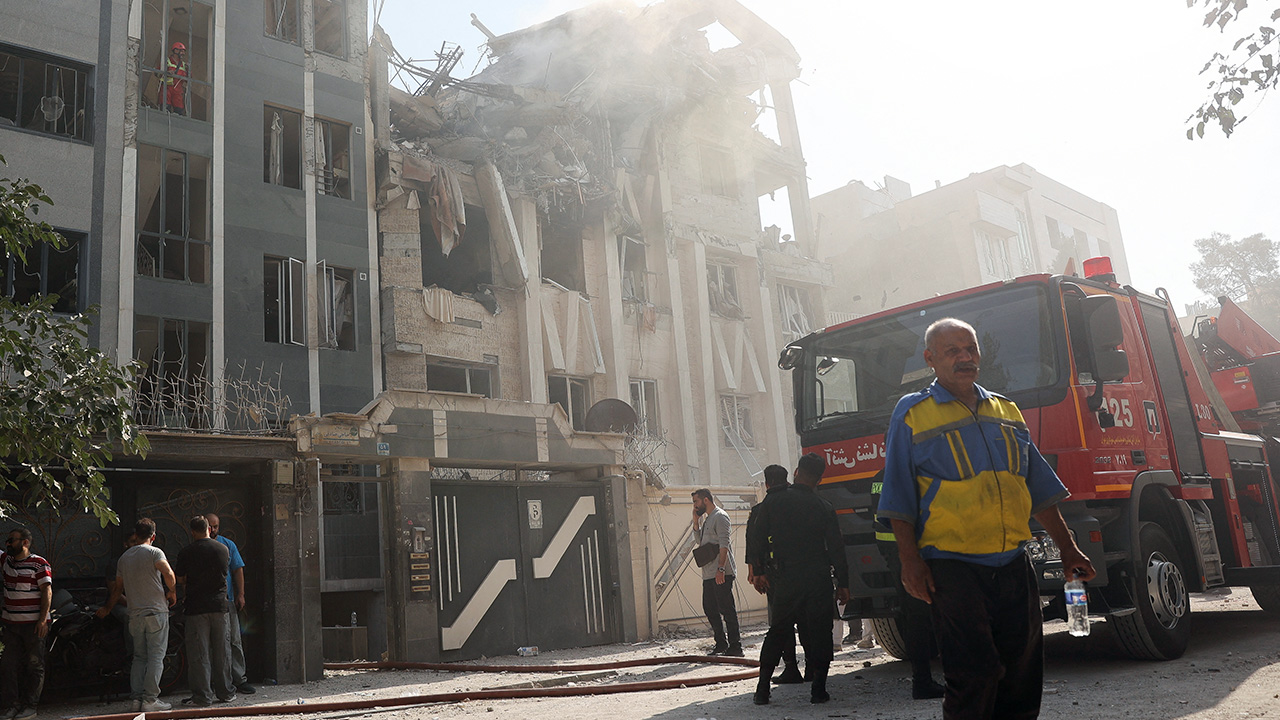
Cohn spoke on “The Claman Countdown” about the impact of the U.S. military operation against Iran, which has now extended into its fourth week. He emphasized that the economic consequences of this conflict are being felt across the country, particularly in the form of rising fuel prices and increased uncertainty.
“I think volatility can be your friend, and it can be your enemy,” Cohn said. “Because remember, fear and greed are what drive markets. Volatility enhances fear and enhances greed.”
The Impact of the Strait of Hormuz Crisis
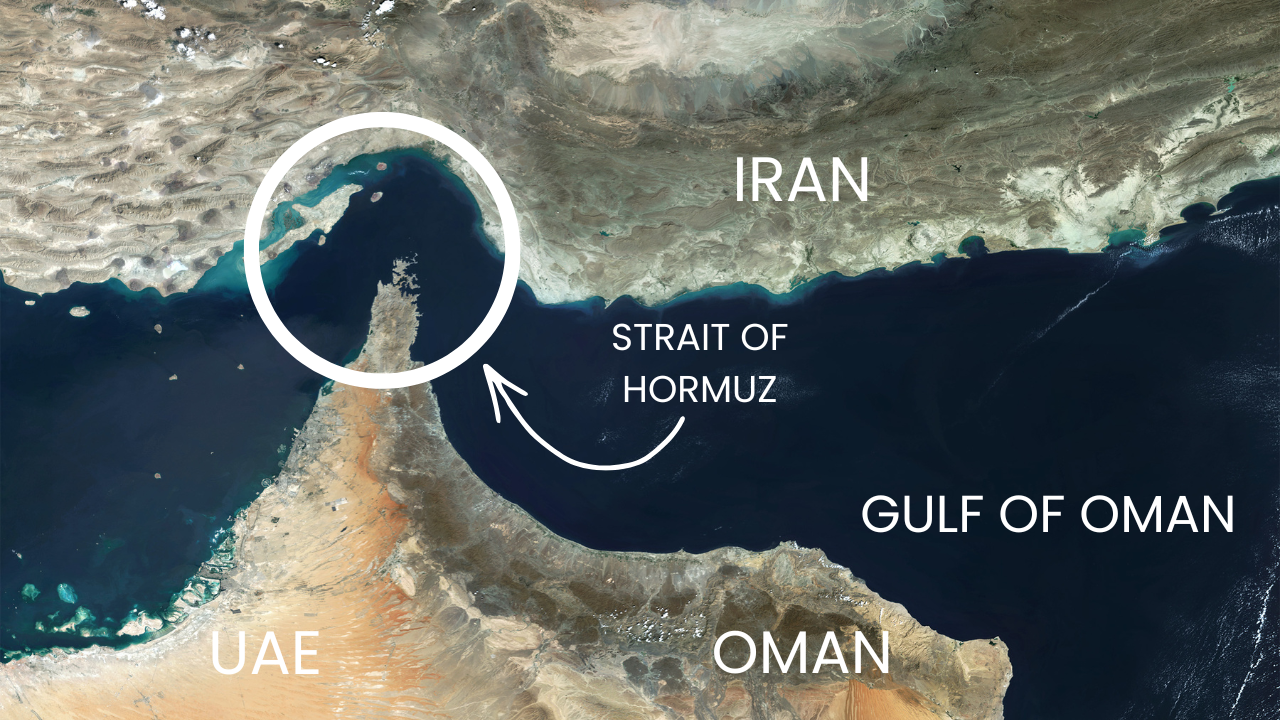
One of the key factors contributing to market instability is the crisis in the Strait of Hormuz, a critical waterway through which approximately 20% of the world’s crude oil and natural gas passes. With U.S. ships restricted from navigating the area, the global supply chain has been disrupted, leading to higher costs for consumers.
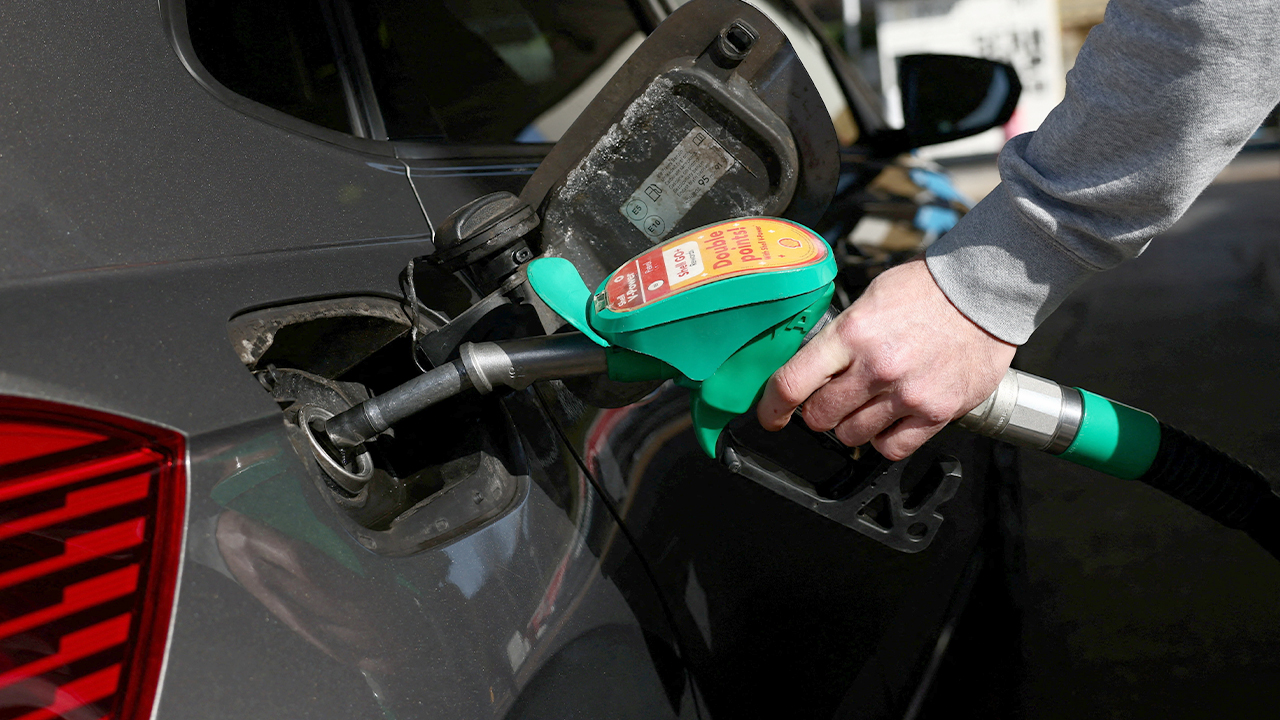
Gas prices in the United States have risen significantly as a result. The national average for regular gasoline is currently $3.95 per gallon, compared to $2.94 before the U.S. military action against Iran. This increase has placed additional pressure on households and businesses alike.
Cohn noted that the closure of the Strait of Hormuz has led to “enormous” market volatility, affecting not just energy prices but also broader economic indicators.
Effects on Airlines and Consumer Behavior
The rising cost of fuel has also raised concerns among airlines, who may be forced to cut flight schedules if the situation worsens. Experts warn that continued tension in the region could lead to further disruptions in air travel and other sectors reliant on stable fuel prices.
“The movement in oil… it’s weighing down heavily on stock markets and other assets,” Cohn explained. “So right now, the biggest determinant in where we go in our short-term economy and long-term economy is what goes on in the Middle East. It is the price of oil. Everything else economically is in pretty fair shape.”
Navigating Volatile Markets
For investors, Cohn offered some practical advice on how to approach the current market conditions. He stressed the importance of having a clear strategy and being prepared to act quickly when opportunities arise.
“Markets are an edge. We know that,” he said. “We’ve known that for the last couple of weeks.”
Cohn emphasized that the key to successful investing during times of uncertainty is to remain disciplined and avoid making decisions based on fear or greed.
“What the volatility means is you have to have a game plan. If you know where you wanna buy, and you know what you wanna sell, you will get opportunities to get in and out of markets that you may not have seen and think was possible.”
He also warned against the common mistake of waiting for the “perfect” moment to invest. “When you think something’s really cheap, you need to buy it. You can’t wait for it to get cheaper. And I think traditional investors are always trying to buy the bottom and sell the top. As a professional investor, I’ve never once in my life bought the bottom and sold the top,” Cohn said.
As the U.S.-Iran conflict continues to evolve, the financial markets will likely remain sensitive to any new developments. Investors are advised to stay informed and maintain a flexible approach to managing their portfolios in these uncertain times.