Iranian Missiles Cost Oil Billions in Lost Revenue
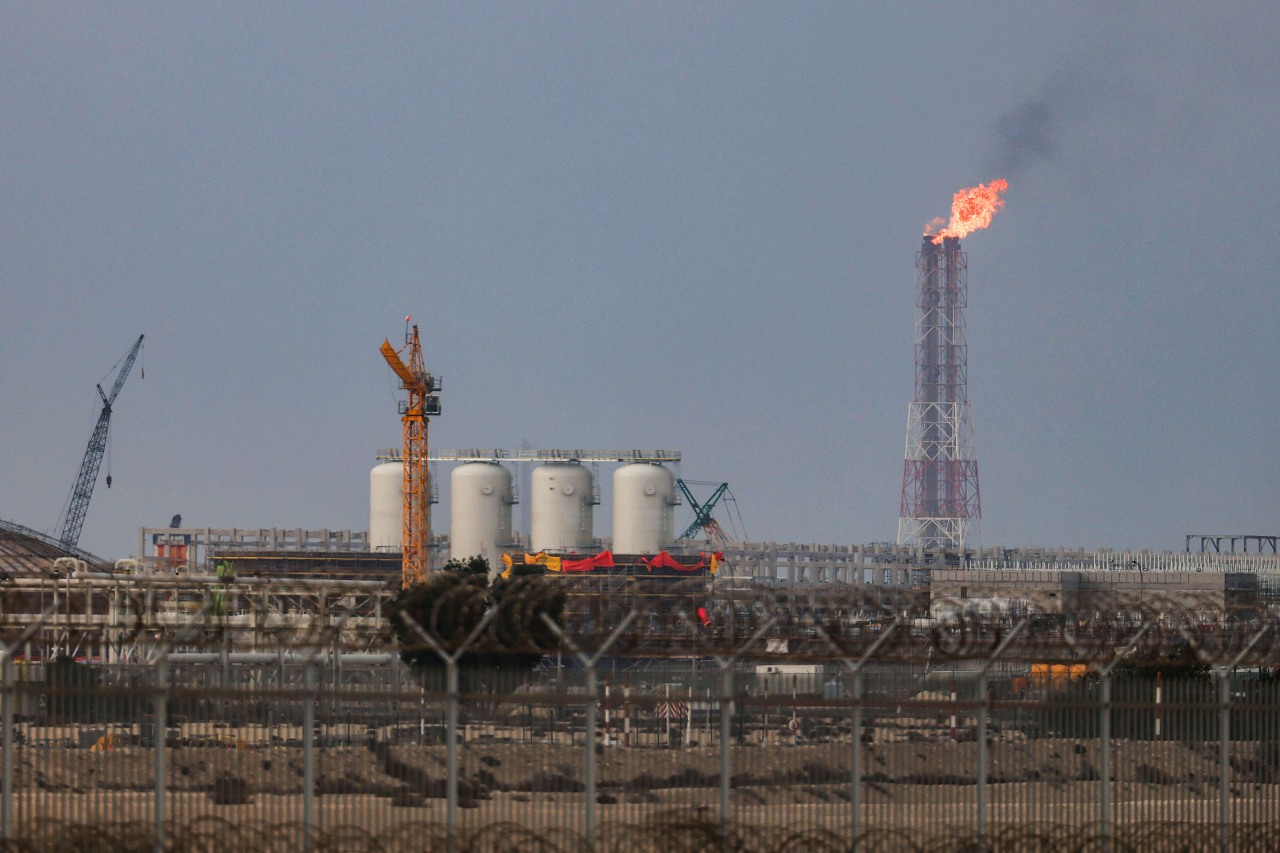
When Iranian missiles struck the Pearl gas-to-liquids facility in Qatar, they targeted one of Shell’s most valuable assets—a massive plant that is among the most advanced and profitable in the company’s global operations. The damage to the facility was severe enough that one of its two production lines is expected to remain offline for at least a year, according to Qatar.
This incident has brought attention to the growing risks faced by Western oil companies operating in the Middle East, where geopolitical tensions have intensified. Exxon Mobil, which has significant investments in Qatar, is particularly affected, as it derives about 20% of its oil-and-gas production from the region, according to analysts. Chevron has shut down some of its gas assets off the coast of Israel, while ConocoPhillips holds stakes in Qatari gas projects. TotalEnergies also relies heavily on energy supplies passing through the Strait of Hormuz, with around 17% of its annual operating income coming from this area, as reported by Goldman Sachs.
“This has been a major source of revenue for U.S. international oil companies,” said Jim Krane, an energy expert at Rice University’s Baker Institute for Public Policy. “It’s going to be extremely frustrating for them. They may have to rebuild in some cases, and that will come at a huge cost.”
The Pearl plant, which cost nearly $20 billion to build, is the largest facility in the world that converts natural gas into liquid petroleum products. It is considered one of Shell’s top-performing assets and has been a personal project for CEO Wael Sawan, who oversaw its planning, construction, and operation in previous roles.
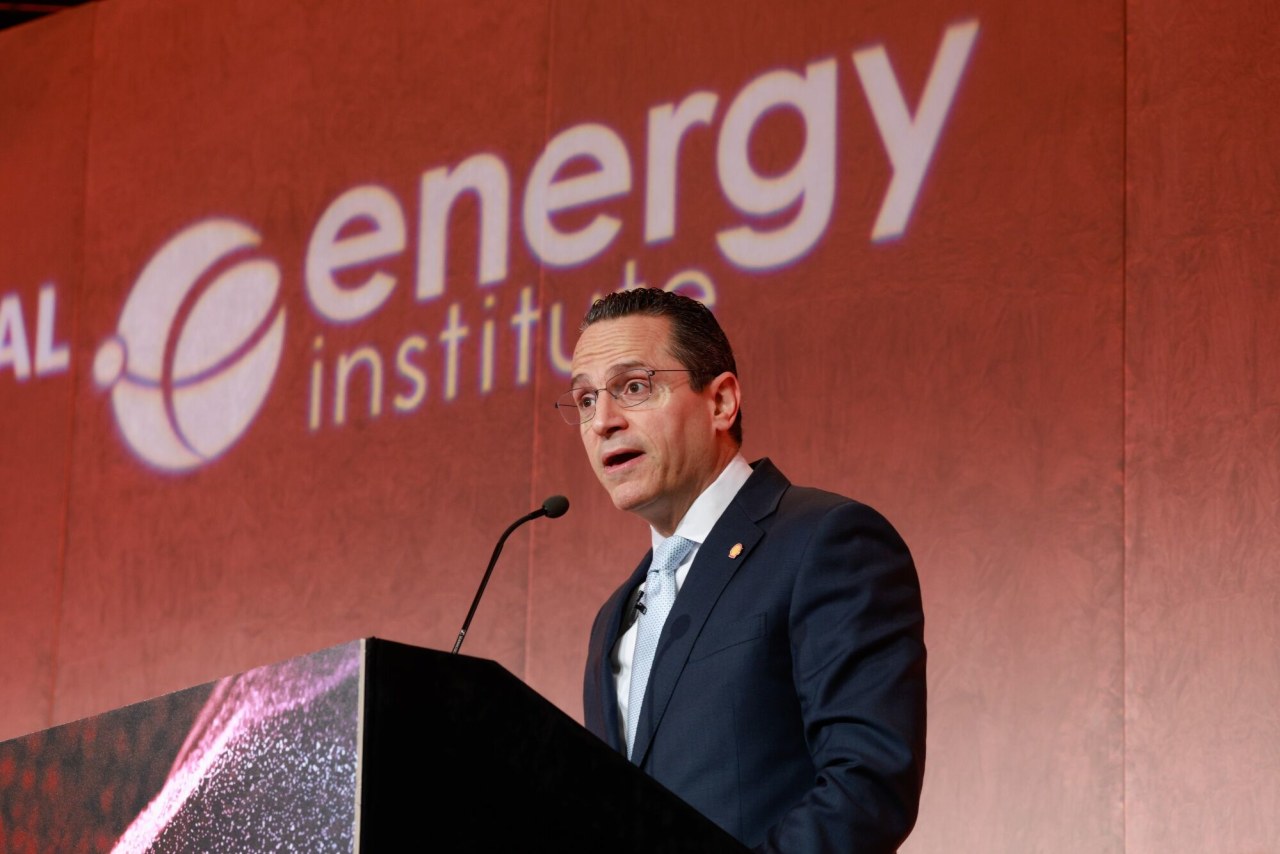
In 2022, Sawan expressed his deep connection to the facility during a meeting with analysts, calling it “an asset that’s close to my own heart.” Shell estimates that repairing the Pearl plant will take approximately one year.
Over the past decade, major U.S. and European oil companies have shifted their focus away from exploring new oil frontiers and instead concentrated on existing partnerships in the Middle East. This strategy has yielded substantial profits but has also exposed these companies to greater geopolitical risks. Recent attacks on Persian Gulf infrastructure mark a new phase in the ongoing conflict, raising concerns about long-term disruptions to global energy supplies.
Qatar, the world’s second-largest supplier of liquefied natural gas (LNG), plays a critical role in the global energy market. The damage to its gas facilities has raised alarms about potential economic consequences, as Western companies anticipate continued growth in LNG demand despite efforts to reduce reliance on fossil fuels.
Exxon Mobil is facing significant financial losses due to the damage caused by Iran’s missile strikes. According to estimates from QatarEnergy, the company could lose about $5 billion in annual revenue, with repairs potentially taking up to five years. Exxon has operated in Qatar since 1955 and currently holds stakes in nine LNG liquefaction lines and 27 tankers. It is also a 6.25% partner in the expansion of Qatar’s North Field, a major project that could face delays due to the conflict. Earlier this month, Exxon evacuated nonessential staff from the Middle East.
A few years ago, an Exxon executive noted that the company had invested over $30 billion in gas projects in Qatar since the 1990s. In the U.S., Exxon is partnering with Qatar on a Gulf Coast LNG facility set to launch this year. Additionally, Exxon has joint ventures with Saudi Aramco and a Saudi chemical company to refine oil and produce petrochemicals. The company also operates in the U.A.E., where it is involved in several oil-field joint ventures.
Shell also has a 30% stake in a Qatari LNG production line that remains undamaged. Approximately 8% of the company’s operating profit comes from oil and gas passing through the Strait of Hormuz, according to Goldman Sachs. Other U.S. oil companies, such as Occidental Petroleum, have suffered setbacks as well, with production suspended at the U.A.E.’s Shah gas field after an Iranian drone attack. Oil-field services firms like Baker Hughes and SLB provide equipment across the region.
Despite the disruptions, major oil companies have seen their stock prices rise as oil prices surge. The effective closure of the Strait of Hormuz has pushed oil prices to around $100 per barrel, meaning that if the conflict persists, profits for Exxon, Shell, and others are likely to increase further. Since the start of the war, Exxon shares have risen nearly 5%, Shell shares have climbed 9%, and ConocoPhillips shares have gained 12%.
Before the conflict began, many oil companies, including EOG Resources and Continental Resources, were seeking overseas investment opportunities due to limited prospects in U.S. shale oil fields. Chevron and others have been expanding their exploration teams and considering additional investments abroad to secure future oil reserves.
“The question now is whether that strategy still makes sense, and if it does, where would you place your dollars?” asked Amy Myers Jaffe, a research professor in global affairs at New York University. “Don’t you have to consider geopolitical risks more seriously when you invest?”