
Dollar Soars as Middle East Conflict Drives Safe-Haven Demand
Global Markets React to Escalating Tensions in the Middle East
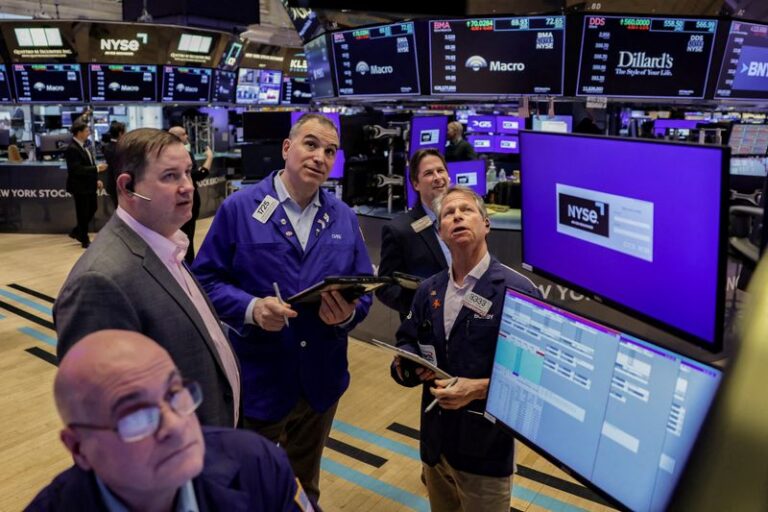
The global financial markets experienced significant shifts as tensions in the Middle East continued to escalate, prompting a rise in the value of the U.S. dollar and a decline in risk-taking behavior. The situation has led to increased demand for safe-haven assets, with investors seeking stability amid uncertainty.
Impact on Currency Values
The Australian dollar, often seen as a proxy for global sentiment, saw a notable decline as equities across Asia fell. Japan’s top currency diplomat, Atsushi Mimura, expressed concerns about foreign-exchange volatility, indicating that the government is prepared to take action if necessary. Meanwhile, the yen weakened slightly against the dollar, reflecting broader market anxieties.
Escalation of Conflict
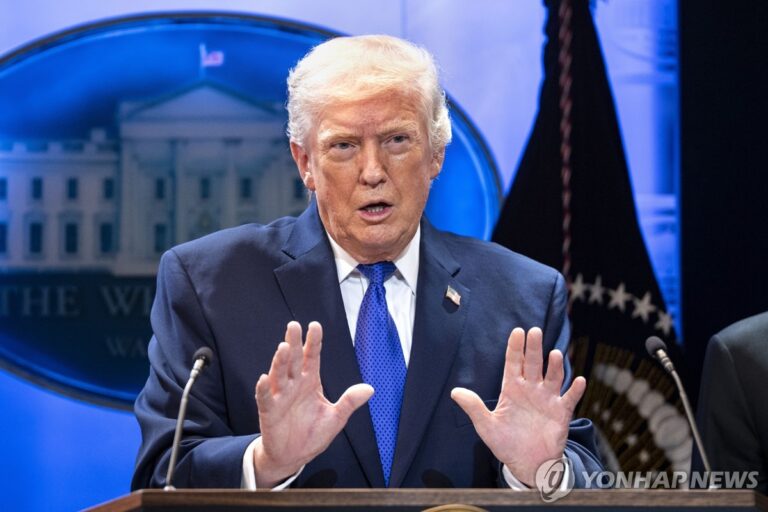
The conflict between the United States and Iran has taken a more severe turn, with U.S. President Donald Trump threatening to strike Iran’s electricity grid. In response, Tehran vowed to retaliate by targeting infrastructure in neighboring countries. This escalation has raised fears of a prolonged conflict that could have far-reaching economic consequences.
Expert Analysis on Market Trends
Rodrigo Catril, a currency strategist at National Australia Bank, highlighted the impact of energy supply shocks on global economies. He noted that countries benefiting from positive energy supply shocks are likely to perform better than those facing negative impacts. This dynamic has contributed to the struggles of the euro and the yen in the current market environment.
Performance of Key Currencies
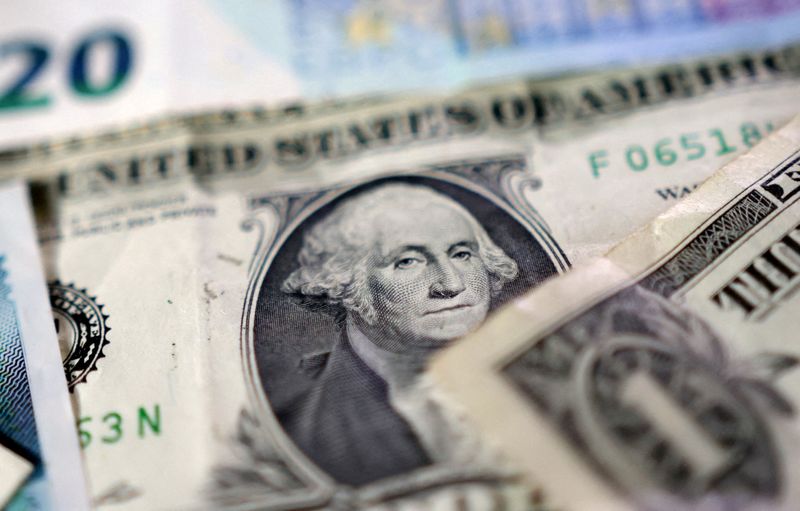
The dollar index, which measures the U.S. currency against a basket of peers, rose 0.08% to 99.62. The euro slid 0.16% to $1.1552, while the yen weakened 0.14% to 159.45 per dollar. Sterling also fell 0.06% to $1.3331, reflecting the broader market trends.
Broader Implications of the Conflict
The conflict has expanded beyond its initial scope, with Israel announcing wide-scale strikes on Tehran and Saudi Arabia reporting ballistic missile launches toward Riyadh. These developments have heightened concerns about the potential for further violence and its impact on regional stability.
Economic Concerns and Central Bank Responses
The International Energy Agency (IEA) has warned that the current crisis poses a major threat to the global economy, surpassing the energy shocks of the 1970s. Major equity indexes in Asia have tumbled, with Japan’s Nikkei experiencing a drop of up to 5%. Inflation concerns have also affected global debt markets, with Japanese government bonds falling sharply and the 10-year U.S. Treasury yield rising to a near eight-month high of 4.415%.
Central Bank Policies
Before the U.S.-Israeli war on Iran began in late February, investors anticipated two rate cuts by the Federal Reserve this year. However, even one cut is now considered unlikely, with other major central banks adopting a more hawkish stance. Joseph Capurso, head of international economics at the Commonwealth Bank of Australia, emphasized that if markets price a U.S. tightening cycle, the USD will strengthen significantly against all currencies.
Regional Central Bank Actions
The European Central Bank kept rates on hold but warned of inflation driven by energy prices. The Bank of England also maintained steady rates, while the Bank of Japan left the door open for a potential rate hike as early as April.
Performance of Other Currencies
The Australian dollar weakened 0.43% versus the greenback to $0.6993, and New Zealand’s kiwi fell 0.26% to $0.5819. These movements reflect the broader trend of currency fluctuations amidst the ongoing geopolitical tensions.
Cryptocurrency Market
In the cryptocurrency market, Bitcoin gained 0.06% to $68,220.97, while Ether rose 0.23% to $2,063.29. These gains indicate some level of investor confidence despite the overall market volatility.
Conclusion
The ongoing conflict in the Middle East continues to influence global financial markets, with the U.S. dollar gaining strength and various currencies experiencing declines. As tensions persist, the impact on global economies and financial systems remains a critical concern for investors and policymakers alike.