
How to Stay Safe from Rising Cyber Scams and Fraud
Understanding the Rise in Cyber Scams and How to Protect Yourself
In recent months, there has been a noticeable increase in cyber fraud and scams, especially following major global events. These incidents have created new vulnerabilities that malicious actors are quick to exploit. As a result, individuals and families must remain vigilant and informed about the latest threats.
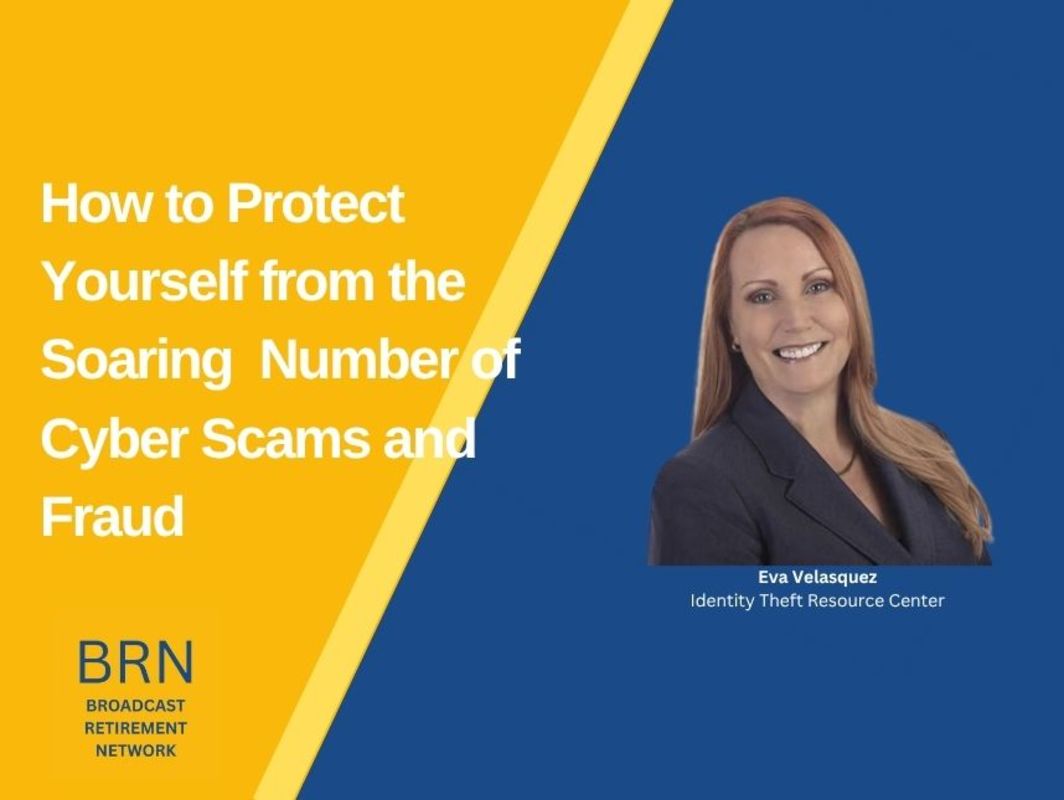
Jeffrey Snyder of the Broadcast Retirement Network recently spoke with Eva Velasquez from the Identity Theft Resource Center (ITRC) about the current state of cyber threats and how people can protect themselves. Their conversation highlighted the importance of awareness, education, and proactive measures when it comes to identifying and avoiding scams.
The Impact of Global Events on Cyber Threats
Whenever there is a significant global event—whether it’s a political crisis, a natural disaster, or an economic shift—there tends to be a surge in cyber threats. According to Velasquez, bad actors take advantage of the chaos and distraction that such events create. They look for ways to weaken security systems or exploit existing vulnerabilities.
She explained that this pattern is not new. For example, during weather disasters, scammers often target individuals by posing as relief organizations or offering fake assistance. Similarly, during political unrest or economic instability, cybercriminals may use these situations to launch phishing attacks or impersonate legitimate charities.
Velasquez emphasized that while these events are unpredictable, the rise in cyber threats is expected. “It’s not a surprise,” she said. “It’s an unfortunate reality.”
Who Is Most Vulnerable to Scams?
Certain groups are more susceptible to scams due to their willingness to help others or their emotional responses. Velasquez pointed out that people who want to support causes, assist those in need, or contribute to charitable efforts are often targeted. Scammers may pose as individuals in distress, such as stranded travelers, aid workers, or military personnel, and use emotional appeals to gain trust.
Charity scams, imposter scams, and requests for personal information are among the most common types of fraud. Velasquez warned that people should be cautious and avoid letting scammers dictate the terms of their generosity. Instead, she advised individuals to research and verify the legitimacy of any charity or cause before donating.
The Channels Used by Scammers
Scammers use a variety of platforms to reach potential victims. While phone calls and text messages remain popular, email and social media have also become key tools for cybercriminals. Velasquez noted that social media, in particular, is being exploited more than ever. Fake profiles, misleading posts, and even AI-generated videos are now used to manipulate users into believing false narratives.
She also mentioned that platforms like GoFundMe are sometimes hijacked by scammers. Although the platform itself is legitimate, bad actors may create fake accounts under the guise of real causes to collect donations.
The Role of Artificial Intelligence in Scams
With the advancement of artificial intelligence, scammers are now able to create convincing content with minimal effort. Velasquez pointed out that it is relatively easy for bad actors to generate realistic images, videos, or even voice recordings to enhance their fraudulent schemes.
This makes it harder for individuals to distinguish between genuine and fake content. Velasquez urged people to take a moment to verify the authenticity of any request for help or donation. She recommended using trusted sources such as the Better Business Bureau (BBB) or Candid to check the legitimacy of charities.
What to Do If You Encounter a Scam
If you come across a suspicious activity or suspect a scam, it is important to report it. Velasquez encouraged people to contact the Federal Trade Commission (FTC) or the Internet Crimes Complaint Center (IC3). These organizations track patterns and investigate reported incidents.
For those who have already engaged with a scammer, the ITRC offers free assistance. Individuals can call the organization’s toll-free number, 888-455-30, to speak with trained advisors who can provide guidance on securing personal information and recovering from identity theft.
Final Thoughts
As the threat landscape continues to evolve, staying informed and proactive is essential. By understanding the tactics used by scammers and taking the necessary precautions, individuals can better protect themselves and their loved ones from falling victim to cyber fraud.
Eva Velasquez’s insights serve as a reminder that vigilance, education, and timely action are powerful tools in the fight against cybercrime.