LaGuardia Airport Reopens Following Tragic Runway Crash
LaGuardia Airport Reopens After Tragic Runway Collision
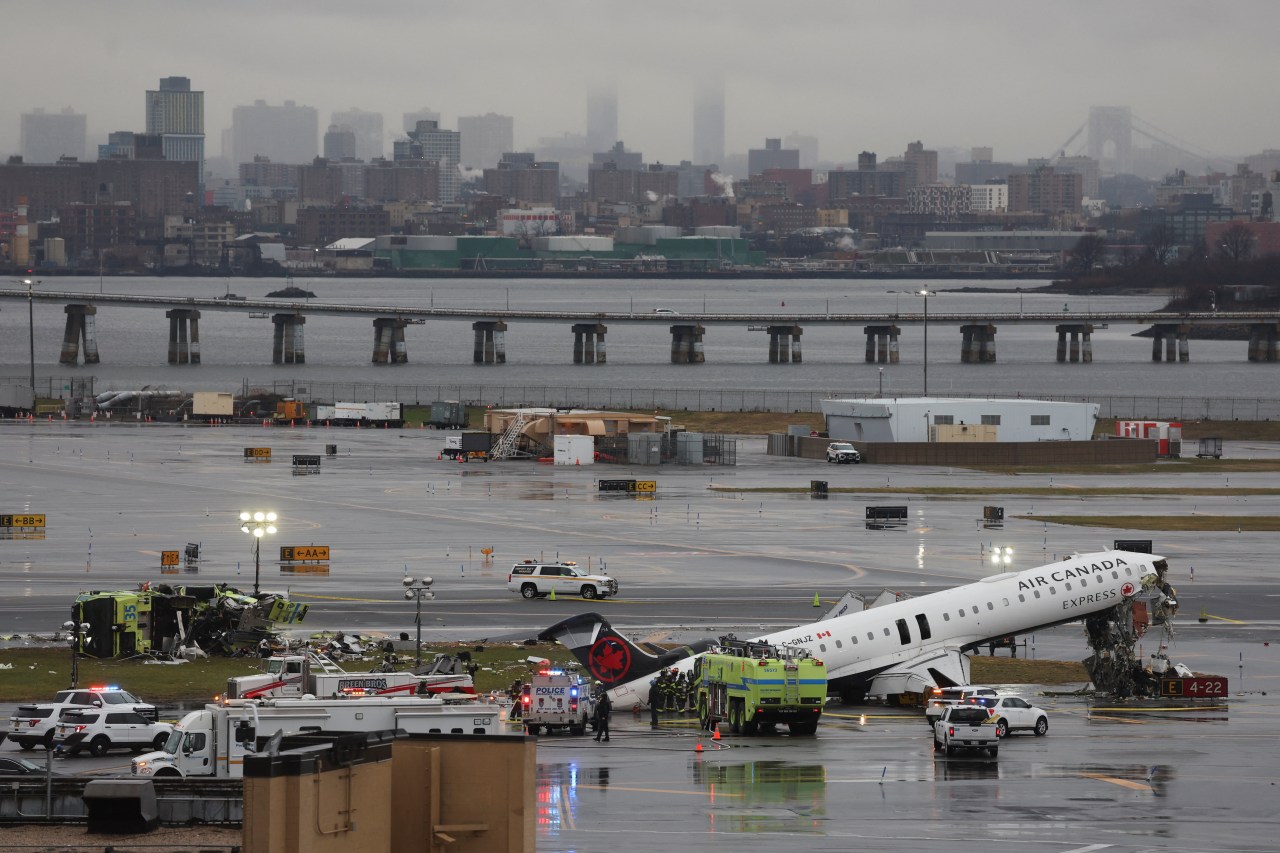
New York City’s LaGuardia Airport has reopened after a tragic runway collision between an Air Canada Express plane and a firefighting vehicle, which resulted in the deaths of two pilots and injuries to dozens of others. The incident occurred shortly before midnight on Sunday, when the aircraft, en route from Montreal, struck a Port Authority firetruck as it entered the runway.
According to the Port Authority of New York and New Jersey, the collision caused significant damage, with sparks, smoke, and debris erupting from the plane. The firetruck was responding to a separate incident at the time. Two pilots from the Air Canada Express flight were killed, and 41 other individuals, including passengers, crew members, and two Aircraft Rescue and Firefighting officers, were hospitalized.
“These were two young men at the start of their careers,” said Bryan Bedford, administrator of the Federal Aviation Administration, during a press conference on Monday. “It’s a devastating loss for their families and the aviation community.”
The Jazz Aviation flight AC8646, operating under Air Canada’s brand, collided with the emergency vehicle as it prepared to land. A source familiar with airport operations described the moment the truck toppled over, causing chaos on the runway. One of the pilots who died and a flight attendant were found outside the aircraft by rescuers.
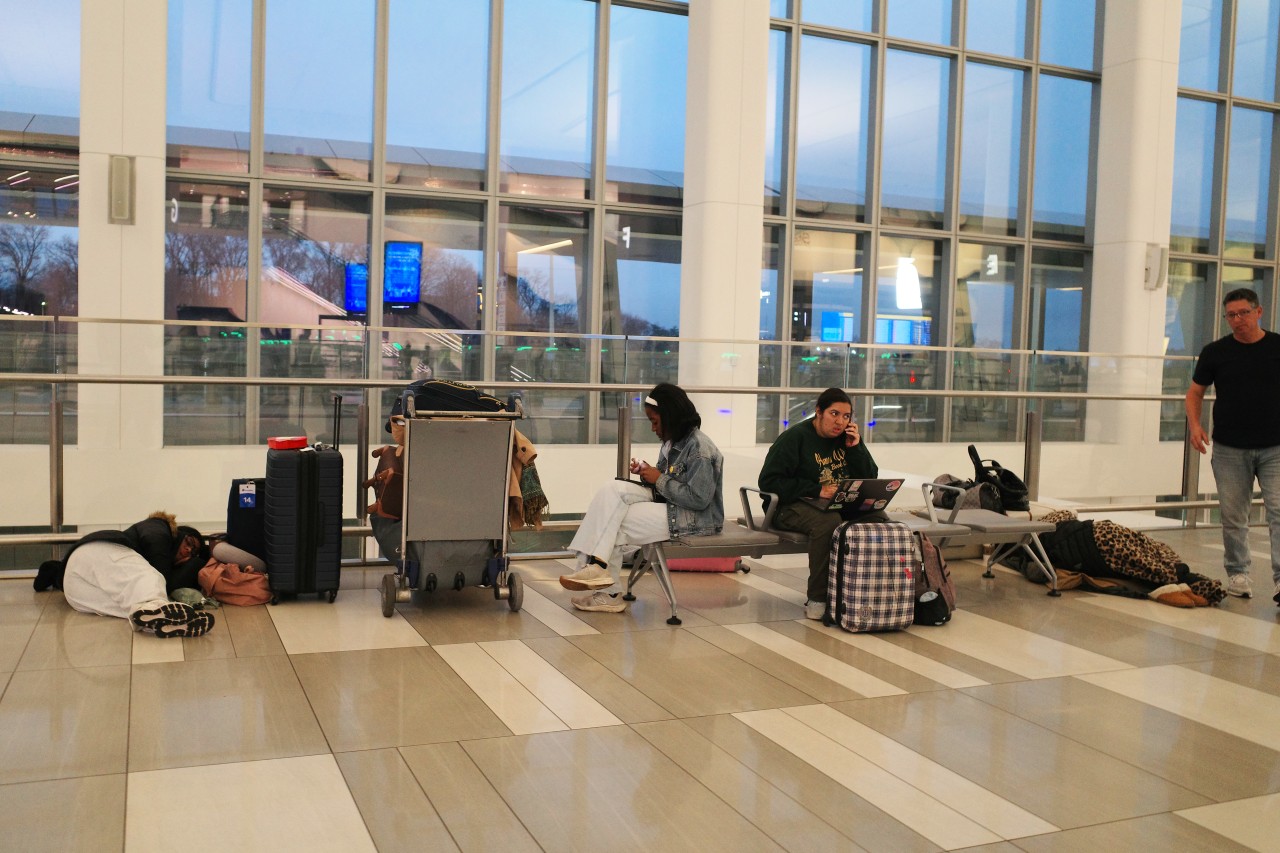
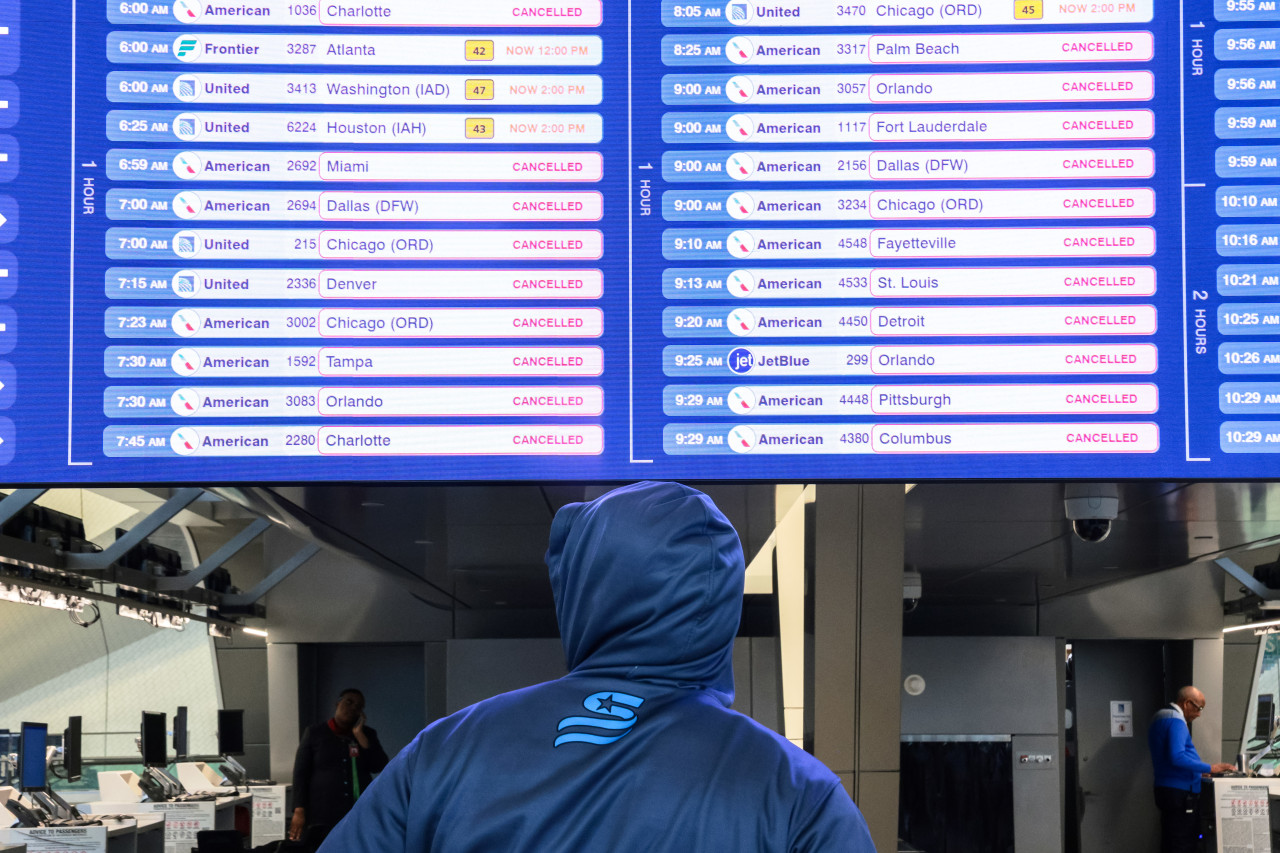
Jazz Aviation, the primary operator of Air Canada Express flights, reported that the aircraft was carrying 72 passengers and four crew members. The FAA imposed a full ground stop at LaGuardia until Monday afternoon, when the airport officially reopened on its social-media account. However, travelers were advised to expect delays and cancellations due to ongoing recovery efforts.
Impact on Air Travel and Safety Concerns
At around 11:37 p.m. on Sunday, an air-traffic controller cleared the rescue truck to cross Runway 4. Moments earlier, a United Airlines flight had declared an emergency after crew members reported feeling ill from an odor in the cabin. Tower radio messages captured the critical moments leading up to the collision, with controllers urgently trying to halt the truck’s movement.
Footage from the scene showed the front end of the Air Canada Express jet sheared off near the plane’s front doors. 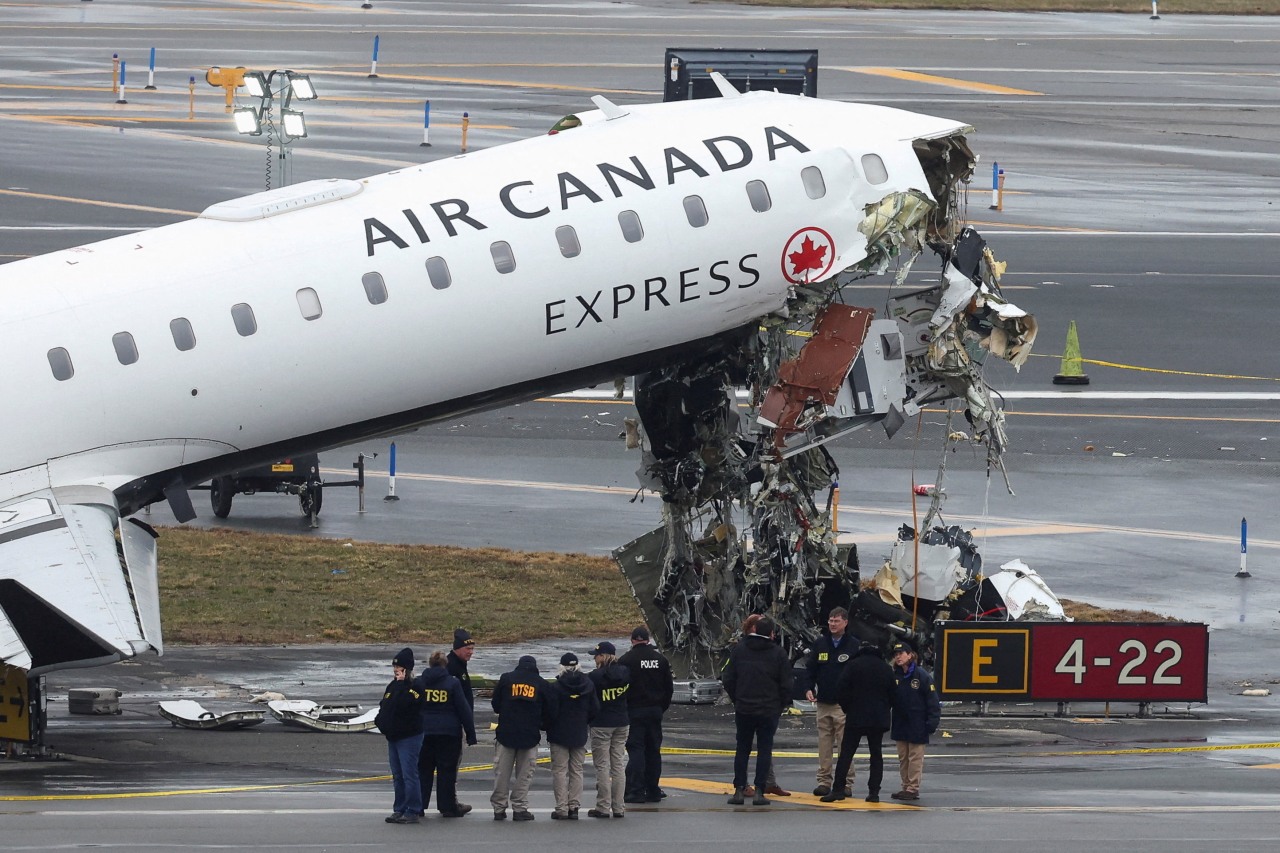
Meanwhile, nearby Newark Liberty International Airport also experienced disruptions, as flights were grounded for about an hour following an evacuation of the air-traffic control tower. This event temporarily knocked out two of New York’s main aviation hubs.
The National Transportation Safety Board (NTSB) began investigating the crash early Monday morning, with a cockpit voice recorder recovered undamaged. Work on the plane’s flight data recorder, the second part of the “black box,” was scheduled to begin on Tuesday.
Transportation Secretary Sean Duffy noted that LaGuardia was “well-staffed” but still faced a shortage of fully-trained air-traffic controllers. He referred questions about staffing during the incident to the NTSB.
Historical Context and Safety Issues
Runway collisions have been a growing concern in the U.S., with several near-misses reported in recent years. For example, an emergency vehicle crossed a runway in Baltimore, raising alarms among regulators. Last week, authorities launched an investigation into a near-collision at Newark Liberty International Airport, where an Alaska Airways jet and a FedEx cargo plane were cleared to land on crossing runways simultaneously.
In 2022, an American Airlines regional jet struck an Army helicopter on approach to Reagan Airport, resulting in 67 fatalities. These incidents have prompted increased scrutiny of safety protocols and the need for improved technology.
Aviation-safety experts and industry officials have raised concerns about the rising number of near-miss incidents. Possible causes include shortages in air-traffic control staffing, less experience among newer pilots, and the need for enhanced communication systems.
The FAA oversees roughly 45,000 flights daily across the country, with takeoffs and landings occurring approximately every 20 seconds at busy hubs. When there are not enough controllers on duty, delays can accumulate, increasing the risk of miscommunication between pilots and controllers.
Although no indication of staffing shortages was found at LaGuardia, the incident highlights the importance of maintaining strict safety measures. In the aftermath, an air-traffic controller spoke with a pilot about the situation, acknowledging the challenges of managing emergencies.
“Yeah, we got stuff in progress for that, man. That wasn’t good to watch,” the pilot remarked. “Nah, man. You did the best you could,” he replied. “God bless you, man.”