SMART Expansion to Healdsburg Set to Launch
Planning the Expansion of SMART Rail to Healdsburg
In the North Bay, the SMART commuter rail line is set to begin work next week on an ambitious project: extending its service to the city of Healdsburg. This expansion comes with a range of challenges, from construction hurdles to securing long-term funding.
Healdsburg, the largest city north of Santa Rosa, has been generating excitement among residents and visitors alike who are eager for SMART’s arrival. However, the path to this goal is filled with complex tasks that will take time and resources.
“It starts with a topographical survey,” said SMART Chief Engineer Bill Gamlen. “Monday, we’ll be moving into geotechnical boring, where we’ll have a drill rig out on the site, and we are taking cores of soil samples. There’ll be a lot of things going in parallel. We’re going to be taking things apart, tearing out old track, taking out old bridges, tearing up grade crossings. The bridge across the Russian River will be one of the first activities there.”
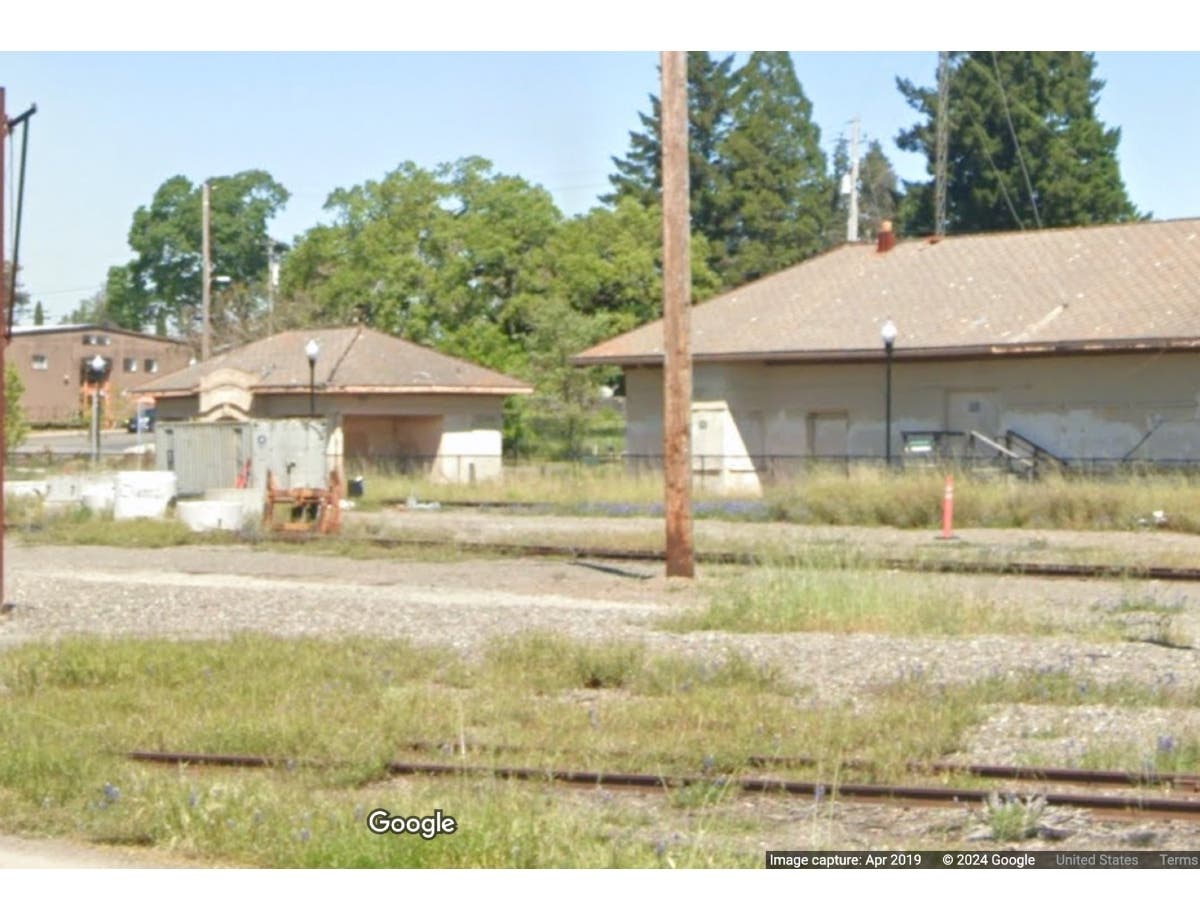
The bridge across the Russian River, built in the 1870s, will need a complete replacement to support the weight of modern SMART trains. The preparatory work is expected to last about a year, with actual construction beginning next spring. A $270 million in funding has already been secured, and SMART anticipates being able to pull into the old Healdsburg station by late 2028.
“We think it’s a big milestone,” said Gamlen. “You know, Healdsburg is a delightful place to go visit on the weekends, and even vacation there. So, we see a lot of ridership heading up to Healdsburg, a destination, probably, more than an origination point.”
However, not everyone shares this optimism. Mike Arnold, an economist and vocal critic of SMART based in Novato, argues that the system may never be financially viable because it doesn’t connect people to major urban job centers.
“The primary problem is the economics,” he said. “Passenger rail in suburbia just doesn’t get the ridership. And the reason is because there just isn’t a place for people to get to easily. There is no major employment center in either Marin or Sonoma Counties. And so, therefore, when you take people to stations, how are they going to get where they want to go? The answer is, very few of them do, and that’s why they get very few riders.”
Currently, children and seniors ride for free, which means more than 40 percent of riders are using the service without paying. Arnold also points to Highway 101, where SMART was expected to alleviate traffic during morning commutes.
Changes in work habits due to the pandemic have reduced the number of commuters, but Arnold claims this has only compressed traffic jams into a smaller time window, with minimal impact from SMART.
“You’ve narrowed the peak,” he said. “But when you talk about peak-hour congestion at 7:30 in the morning, it looks like it hasn’t changed at all. And the answer is, based on the count on the cars, it really hasn’t changed at all.”
This debate is crucial as voters will soon decide whether to extend the quarter-cent sales tax for another 30 years to sustain SMART funding. The current tax is set to expire in 2029, just as the Healdsburg extension is scheduled to be completed.
Key Challenges and Considerations
- Topographical Survey: The first step involves assessing the land to understand the terrain and soil conditions.
- Geotechnical Boring: Drill rigs will be used to collect soil samples, providing critical data for construction planning.
- Removal of Old Infrastructure: Existing tracks, bridges, and grade crossings will be dismantled to make way for new structures.
- Bridge Replacement: The historic bridge over the Russian River will be replaced to accommodate modern train weights.
- Funding: A $270 million investment has been secured for the extension, with completion expected by late 2028.
- Economic Concerns: Critics argue that the lack of major employment centers in the region could limit ridership and financial viability.
- Free Rides: Children and seniors riding for free account for over 40% of passengers, raising questions about revenue sustainability.
- Impact on Traffic: Despite changes in commuting patterns, traffic congestion remains a challenge, with little evidence of significant relief from SMART services.