
Rand Paul’s ‘Six Penny Plan’ Tames Spending with Minimal Impact
Introducing the Six Penny Plan
Senator Rand Paul, R-Ky., has introduced a detailed concurrent budget resolution known as the “Six Penny Plan.” This initiative outlines a clear, decade-long roadmap to end chronic federal deficits, achieve surpluses, and begin reducing the national debt. Announced late 2025, the plan sets firm, enforceable spending and revenue targets for fiscal years 2026 through 2035 without raising taxes beyond current projections.
Paul emphasized that the plan balances in five years. He explained, “It’s important to know that it has to be every bit. It’s 6% of the entire budget. It doesn’t work on just the discretionary budget.”
Current State of the National Debt
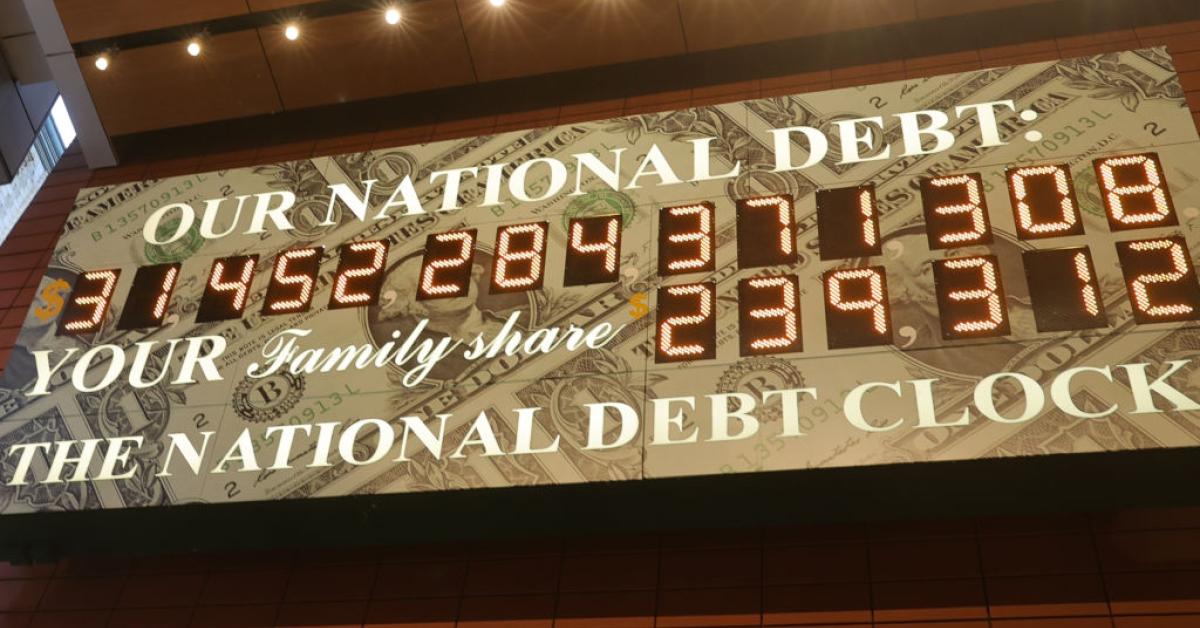
The U.S. national debt currently stands at approximately $39 trillion. This figure represents the total amount the federal government has borrowed over time to cover spending that exceeds revenue. Of this, about $31 trillion is held by the public, with the rest being intragovernmental holdings.
The federal government spends around $7 trillion annually, based on recent fiscal years like FY 2025. The largest expenditures go toward mandatory programs such as Social Security (around 15–22% of total spending), Medicare and health programs (another 15–20% combined), national defense (about 13–24%), and net interest on the debt (roughly 12–14% and rising fast as borrowing costs increase).
A Decade-Long Strategy
Paul’s plan promises that revenues will continue to grow naturally over the decade while total federal spending is gradually brought under control. Outlays start higher than revenues in the early years, producing large deficits, but those deficits shrink steadily.
By fiscal year 2030, the budget reaches balance and then flips to surpluses, with those surpluses growing larger each year through 2035. As a result, the national debt peaks in the late 2020s and then begins a modest decline.
Key Components of the Plan
The key to achieving this discipline is a new budget category called “New Efficiencies, Consolidations, and Other Savings.” This category captures hundreds of billions—and eventually trillions—of dollars in annual savings through legislation that eliminates waste, consolidates duplicative programs, and improves government operations.
These savings are the primary driver that keeps overall spending from rising unchecked while allowing essential functions to continue.
Addressing Major Spending Categories
Major spending categories receive defined levels of funding that reflect priorities and realities. National defense receives steady increases in both budget authority and outlays, growing significantly over the decade to support military readiness and modernization. Additionally, health programs and Medicare see continued growth to accommodate an aging population and rising medical costs. Social Security obligations are preserved and funded as they grow.
Paul spoke specifically about the behemoth of social and medical expenditures like Medicare, Medicaid, Social Security, and food stamps. Pre-addressing questions on how to approach cutting food stamps, Paul said, “One way I would do it is that I would quit paying for sugary drinks. I’d quit paying for chips, Ding Dongs, Twinkies, donuts, bags of candy.”
Not only limiting offerings provided under food stamps, Paul also suggested limiting the scope of who can receive food stamps. “I would probably also say food stamps should only go to maybe moms with four kids who can’t work. That’s what they were intended for. I think able-bodied 19, 20, 21-year-old boys or girls really have no business being on food stamps. It should be for people who somehow are trapped in their circumstances and can’t work.”
Enforcing Fiscal Discipline
Certain discretionary areas, such as energy and natural resources, receive allocations that hold steady or decline in later years, reflecting efficiency gains.
Paul’s resolution avoids line-by-line program cuts in the text itself. Instead, it sets aggregate targets and relies on future legislation to deliver the promised savings through efficiencies and consolidations. To make sure those targets are met, the plan includes strong enforcement rules which include points of order to block legislation that would exceed the agreed spending levels unless waived by a two-thirds vote, emergency spending is narrowly defined and also requires supermajority approval, and agencies are directed to identify duplicative programs for elimination.
Two reserve funds also add flexibility under the Six Penny Plan. One allows Congress to adjust the budget targets upward if legislation produces additional deficit reduction over the decade. Another supports reforms that would expand health savings accounts.
Conclusion
According to Paul, the Six Penny Plan is a disciplined, numbers-driven framework that forces Washington to live within its means. It projects natural revenue growth, protects core priorities like defense and entitlements, and uses structural savings to turn deficits into surpluses without broad tax increases. By locking in decade-long targets and creating procedural guardrails, the resolution provides Congress with a concrete vehicle to address the nation’s long-term fiscal imbalance and put the debt trajectory on a downward path.