
New Law Targets Sports Betting Markets: What They Are and Why They Might Be Banned
Understanding Prediction Markets
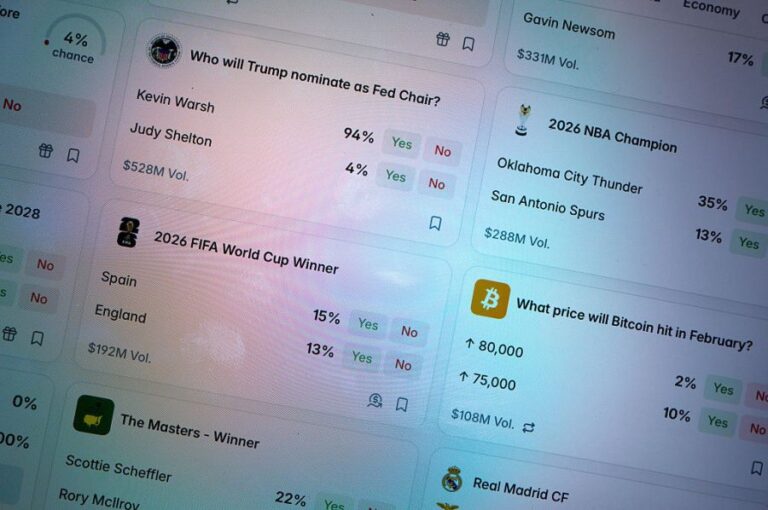
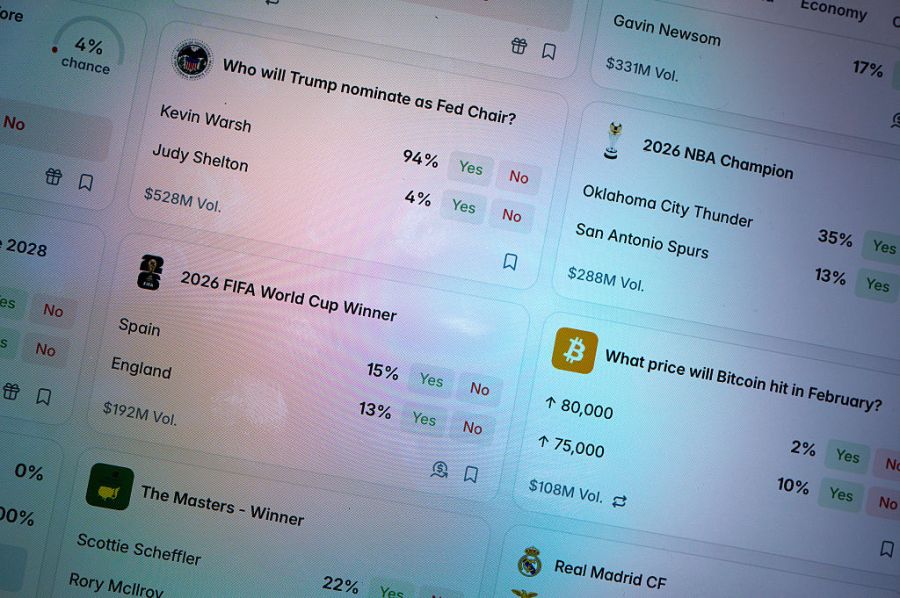
Prediction markets are a unique form of betting that allows users to place wagers on the likelihood of specific events occurring. These platforms function similarly to traditional sports betting but often involve a broader range of topics, from political outcomes to economic indicators. For instance, Kalshi, one of the leading prediction market platforms, has enabled users to bet on everything from the number of touchdowns a quarterback might throw in a game to whether a certain policy will be passed.
The concept is straightforward: users select an outcome they believe will happen and place a bet on it. The price of each bet typically reflects the probability of that outcome based on market demand. If the event occurs, the user receives a payout, which can vary depending on the type of contract.
How Prediction Markets Work
Users on platforms like Kalshi and Polymarket can engage in various types of bets. Some are as simple as predicting whether a particular team will win a game, while others involve more complex scenarios, such as forecasting the price of oil or the outcome of a political election. These markets often use “yes” or “no” contracts, where users bet on the likelihood of an event happening.
In addition to sports, prediction markets also cover events related to politics, technology, and even pop culture. For example, users might bet on whether a celebrity will win an award or if a new product launch will be successful. The flexibility of these platforms makes them appealing to a wide range of users.
The Proposed Legislation
A new bipartisan bill, introduced by Sens. Adam Schiff (D-Calif.) and John Curtis (R-Utah), aims to address concerns about the legality of prediction markets. The bill, titled the “Prediction Markets Are Gambling Act,” seeks to regulate these platforms by preventing them from offering wagers on sports games and events typically found in casinos.
According to the lawmakers, these prediction markets are essentially a way to bypass state and federal gambling laws. They argue that the platforms are operating outside the legal framework established for traditional gambling activities.
Industry Response and Legal Challenges
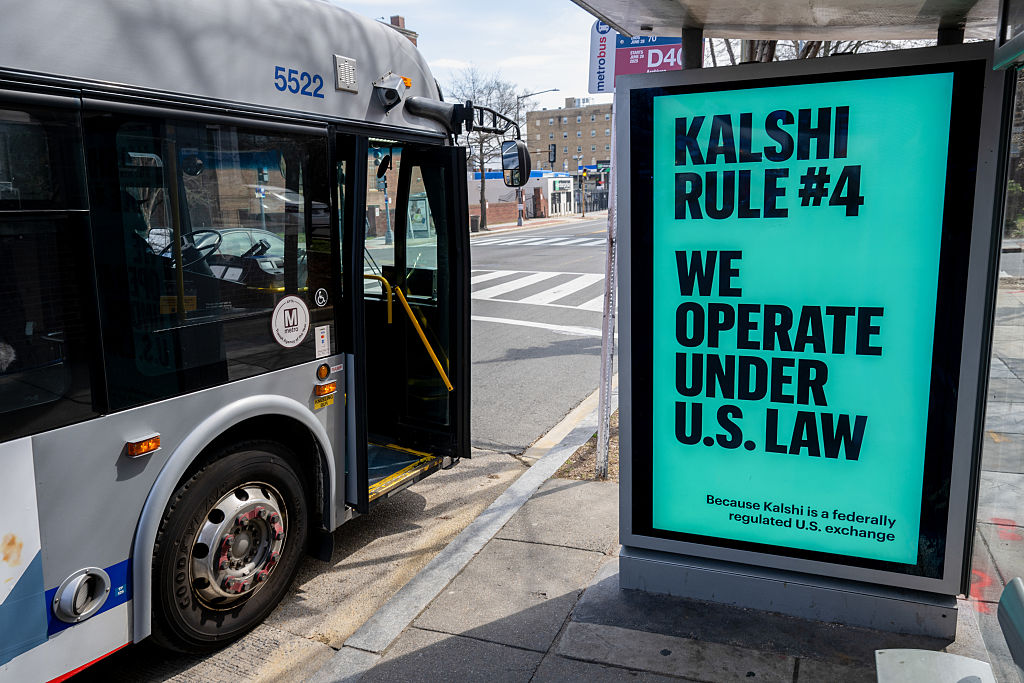
Despite the proposed legislation, prediction market platforms have defended their operations, arguing that they are not gambling but rather a form of financial trading. Kalshi CEO Tarek Mansour has stated that if prediction markets are considered gambling, then the entire financial market could be classified as such.
Several states have taken action against these platforms, citing illegal gambling activities. Nevada, for example, recently blocked Kalshi from operating within the state, with regulators claiming that the company’s “futures trading” is actually sports betting. Arizona has also taken legal action against Kalshi, accusing the company of running an illegal gambling business.
State-Level Regulations and Legal Battles
The legal landscape surrounding prediction markets varies by state. In some states, such as New Jersey and Tennessee, courts have ruled in favor of Kalshi, while in others, like Nevada and Massachusetts, judges have supported state regulations. Ohio has also seen legal challenges, with a federal judge recently requiring Kalshi to comply with state gambling regulations.
Utah has gone a step further by adding wagers on “prop bets” to its list of banned gambling activities. Kalshi has since sued the state over this legislation, highlighting the ongoing legal battles between the platforms and state regulators.
Regulatory Backing and Political Connections
Kalshi and Polymarket have received support from the Trump-controlled Commodity Futures Trading Commission (CFTC), which regulates derivatives and other prediction market activities. CFTC Chairman Michael Selig has pledged to back Kalshi in any legal battles at the state level, arguing that federal law should take precedence over state regulations.
This regulatory backing could have significant implications for the president’s family, as Donald Trump Jr. has invested in Polymarket through his venture capital firm and serves as a strategic adviser for Kalshi. This connection raises questions about potential conflicts of interest and the influence of political figures on the regulation of prediction markets.
Recent Changes and Safeguards
In response to growing scrutiny, Kalshi and Polymarket have implemented new safeguards to prevent insider trading and ensure fair play. Kalshi has announced that it will ban political candidates from trading on their own campaigns and block individuals involved in college or professional sports from betting on events related to their teams.
Polymarket has also revised its rules to prohibit users from trading on contracts where they may have access to confidential information or could influence the outcome of an event. This includes athletes, company officials, and policymakers who may have prior knowledge of upcoming events.