Small Garage Highly Sensitive to Fuel Price Fluctuations
The Struggles of a Small Independent Petrol Station
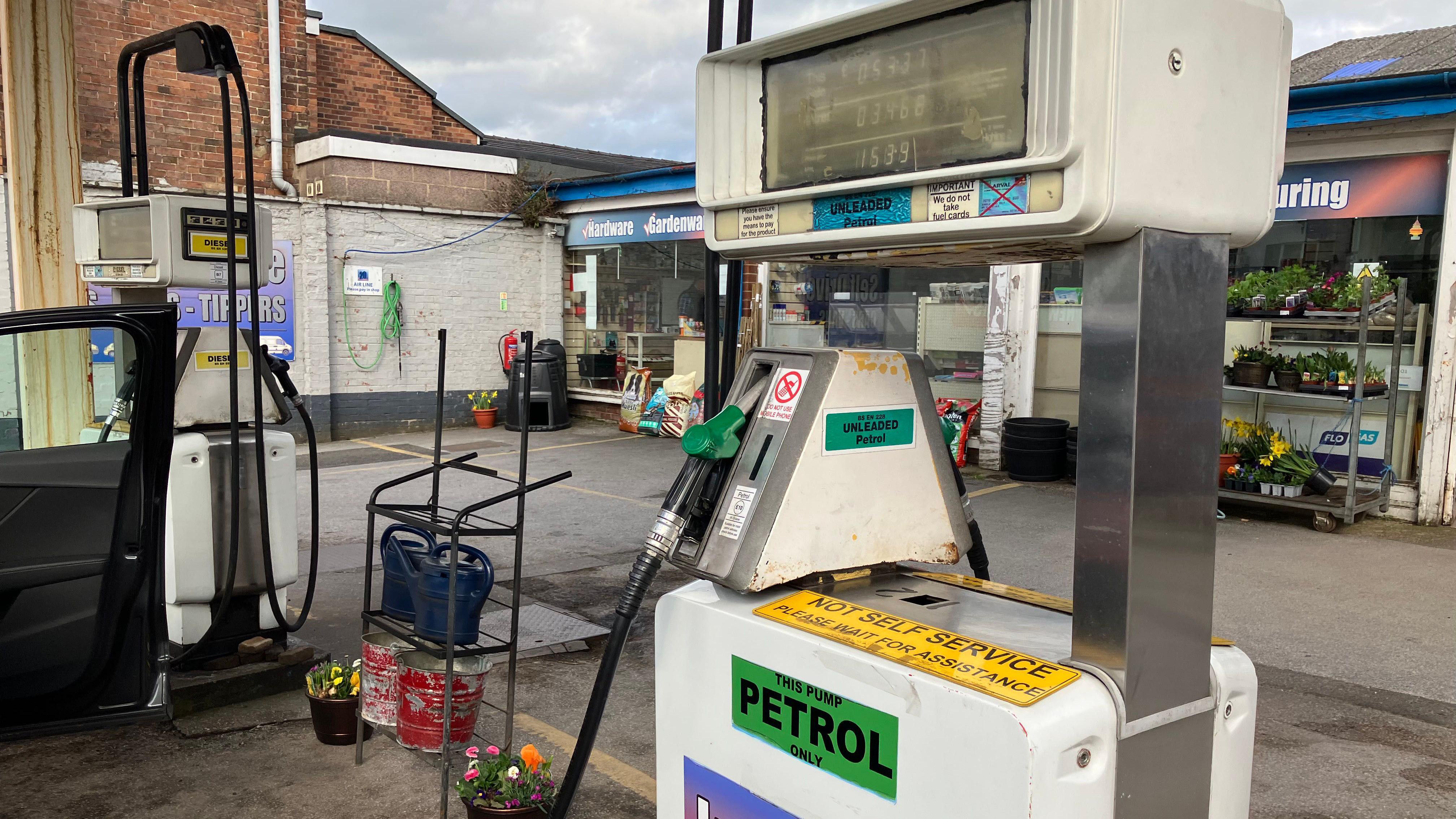
An independent petrol station in Ashbourne, Derbyshire, is feeling the pressure as fuel prices continue to rise due to ongoing conflicts in the Middle East. Lumbards, a small station with a limited forecourt and small underground storage tanks, is particularly sensitive to these fluctuations. With only a “relatively small amount of fuel” stored at any given time, the station relies on multiple tanker deliveries each week to keep its pumps running.
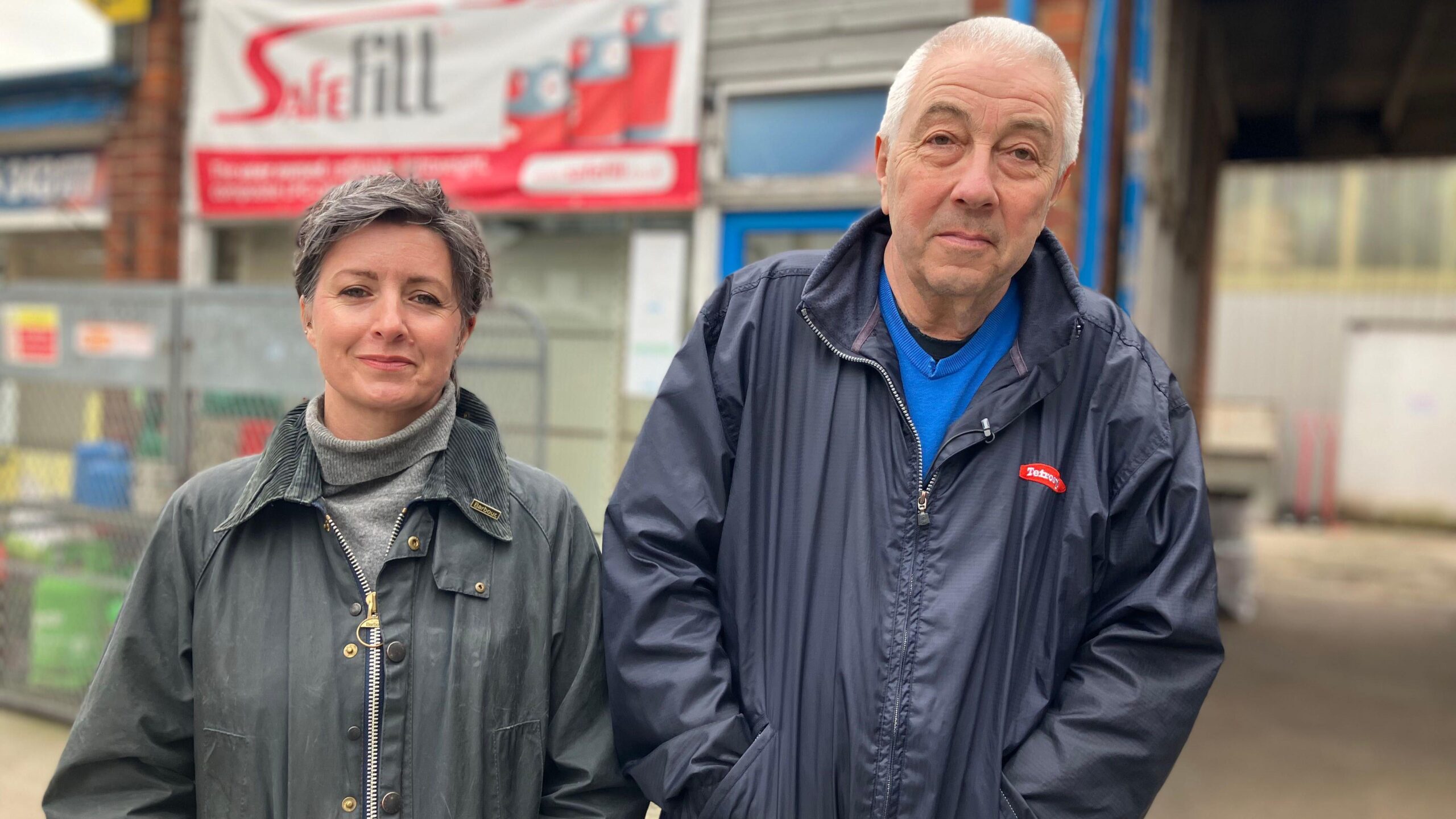
Kerry McNair, the manager of Lumbards, has faced significant uncertainty since the conflict between the US, Israel, and Iran began. She explained that the station’s location at the bottom of a hill makes it more challenging for delivery trucks to access the site. Additionally, the small forecourt complicates the unloading process.
“The cost is slightly higher because we’re at the bottom of a hill,” she said. “It’s a bit more inconvenient for the lorries to get down to us, and our small forecourt makes it more difficult to unload.”
The station’s owner, Martin Brass, described the current situation as “very volatile.” He noted that prices have risen so quickly that even the fuel company wasn’t sure how much a delivery would cost. “We had to order a tanker load without knowing the exact price,” he said.
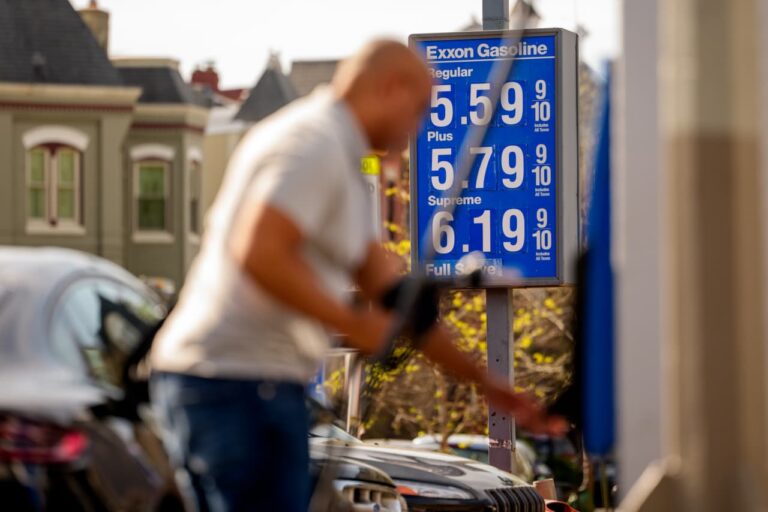
Internationally, oil prices have surged since February 28, when the US and Israel launched air strikes on Iran. Brent Crude, the benchmark for oil prices, has climbed from $73 (£54.45) per barrel to about $102 (£76.27) as of Tuesday. A $10 (£7.46) increase in the price of an oil barrel leads to a roughly seven-pence increase per litre at the pump.
While large fuel retailers like supermarket chains benefit from economies of scale, small independent stations often face larger price fluctuations. McNair explained that her supplier was struggling to determine prices based on market changes. “They were trying to figure out their price based on market fluctuation,” she said. “So they told us we could have X litres, but they couldn’t confirm how much that would be. We had to wait until the next day before they would actually firm up a price.”

Staying Competitive Amid Rising Costs
Despite the rising costs, McNair is determined to reassure customers that her garage is not profiteering. “Absolutely not,” she said. “In order for us to remain even slightly competitive, we’ve had to look at reducing our margins.”
She emphasized that the station aims to stay customer and community-focused while maintaining its reputation. “We fill up for our customers and we’re a bit more of an old-fashioned outfit,” she said. “What we can’t deliver in competitive pricing at the moment, we can certainly make up for in customer focus.”
The garage also addressed some challenges with customer behavior, noting that staff had faced “very difficult behavior” from customers. The station described this as “unjustified and not helpful for anyone.”
The Impact on Small Businesses
The situation highlights the challenges faced by small businesses in the fuel industry. While large retailers can absorb price fluctuations more easily, smaller stations like Lumbards are more vulnerable. This vulnerability is compounded by factors such as location, storage capacity, and the need for frequent deliveries.
As the global conflict continues to affect oil prices, it remains to be seen how long small independent stations can maintain their operations without significant financial strain. However, managers like McNair are doing everything they can to keep their communities supplied with fuel while staying true to their values.
Additional reporting by Rachel Royce
Listen to Jendela Magazine Radio Derby on Sounds
and follow Jendela Magazine Derby on
Facebook, on X, or on Instagram. Send your story ideas to
eastmidsnews@Jendela Magazine.co.uk or via WhatsApp on 0808 100 2210.
More on this story
Garage suspends fuel sales after steep price rise
How high could UK petrol and diesel prices go?