
WSJ Dollar Index Climbs 0.32% to 96.47
Overview of the WSJ Dollar Index Performance
The WSJ Dollar Index has shown a positive trend today, rising by 0.31 point or 0.32% to reach 96.47. This marks two consecutive days of gains, with the index increasing by 0.47 point or 0.49% over the last two trading days. The recent performance represents the largest two-day point and percentage gain since Friday, March 13, 2026.
Looking at the broader picture, the index has been up for three out of the past four trading days. However, it is still off by 8.25% from its record closing value of 105.14, which was recorded on Tuesday, September 27, 2022. Today’s closing value of 96.47 is the seventh highest this year, and it marks the highest closing value since Wednesday, March 18, 2026.
The index is currently down 3.39% from its 52-week high of 99.86, which was achieved on Wednesday, March 26, 2025. On the other hand, it is up 3.02% from its 52-week low of 93.64, recorded on Tuesday, January 27, 2026. Compared to the same period last year, the index is down 3.39%.
Month-to-date, the index has increased by 1.88%, while year-to-date it has risen by 0.55 point or 0.57%. These figures are based on 5 p.m. ET values.
Euro Under Pressure Amid Middle East Tensions
The euro remains under pressure against the dollar as Iran shows little appetite for compromising with the U.S. in the Middle East conflict. According to City Index analyst Fawad Razaqzada, the U.S. sent Iran a 15-point plan to end the war, but Iran has been dismissive of the proposal. The euro is unlikely to recover much versus the dollar in the near term unless there is a genuine shift in tone from Iran. Razaqzada noted that positioning for a quick resolution feels premature.
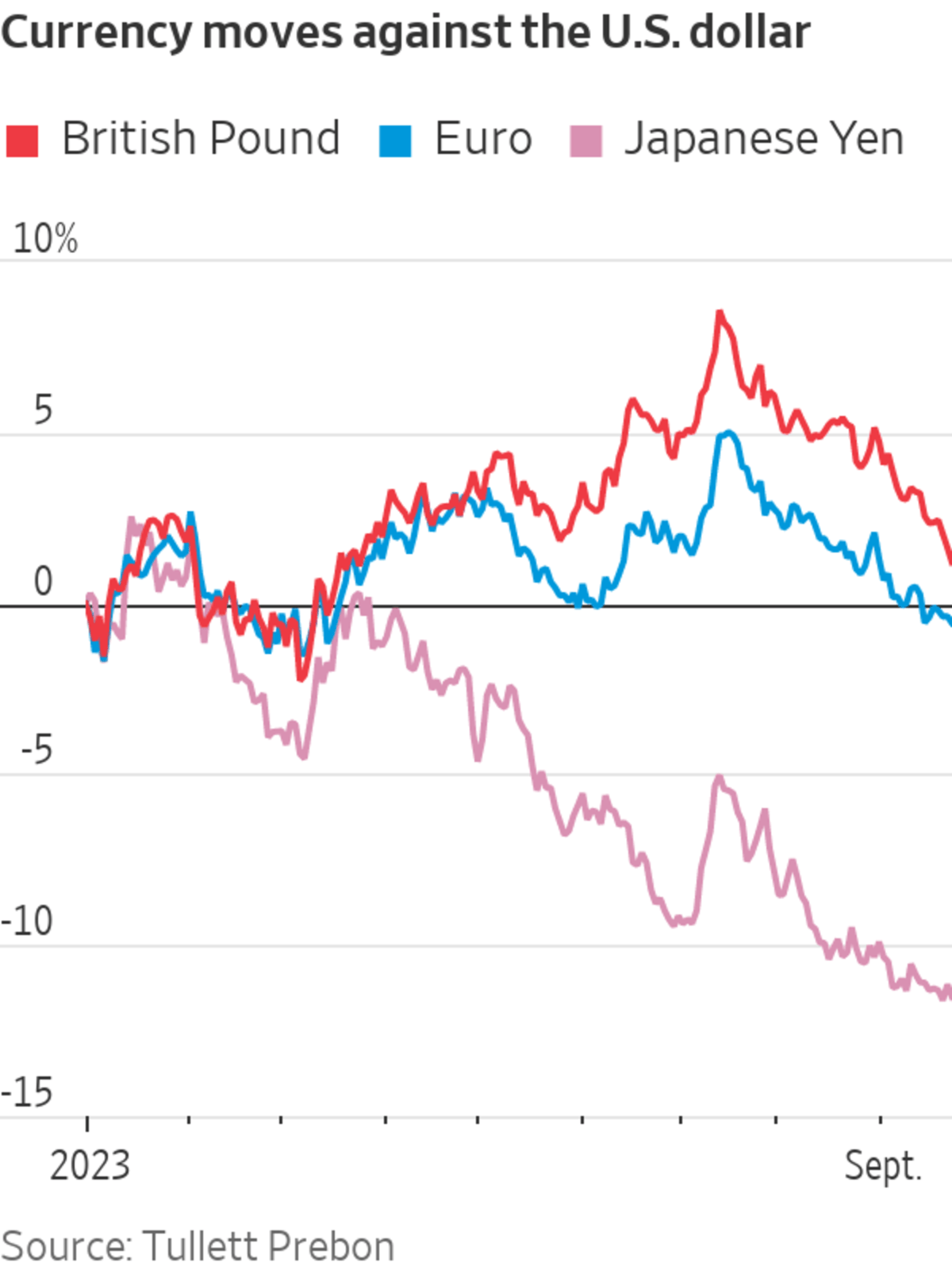
Iran’s leverage through rising energy prices arguably outweighs military pressure from the U.S. and its allies, keeping a lid on any euro-dollar gains. As a result, the euro fell 0.3% to $1.1573.
Sustained Dollar Selloff Unlikely
ING’s Chris Turner stated that a sustained dollar selloff looks unlikely due to the lack of chances for the Iran war to end soon. The dollar fell as energy prices and safe-haven demand declined after news that the U.S. sent Iran a 15-point plan to end the war and mediators are pushing for a meeting between the two sides by Thursday. Turner warned that it seems dangerous to position for an early resolution of the crisis, with the Iranians likely to want to take high energy prices as leverage in any negotiations.
The DXY falls 0.1% to 99.353, and ING expects it to trade in a range of 99.00-100.000 this week.
Impact of Oil Price Shock on the Dollar
TD Securities strategists suggested that a sustained oil-price shock resulting from the Iran war would likely weaken the dollar. America’s energy independence should delay the impact on the U.S. compared to the EU and Asia, allowing growth and relative rate differentials to temporarily move in the dollar’s favor. However, eventually even the U.S. and the Fed will not be spared from the growth and macro implications of an extended disruption to energy markets.
If the Fed continues to cut rates at the end of this year, the dollar should weaken over the medium term. Concerns about U.S. deficits could also rise on the back of increased defense spending.
Sterling and Euro Gains Likely Short-Lived
MUFG Bank’s Lee Hardman noted that sterling and the euro might struggle to sustain any gains if the Bank of England and European Central Bank raise interest rates more aggressively than markets expect. While faster rate rises could offer some near-term support for sterling and the euro, those gains would ultimately prove short-lived if tighter monetary policy alongside higher energy prices trigger a deeper economic slowdown or recession for European economies.
Euro Struggles Against Dollar
Commerzbank’s Thu Lan Nguyen pointed out that the euro is likely to struggle to sustain any recovery attempts against the dollar as energy prices remain elevated due to the Iran war. Eurozone and U.S. interest rate expectations have risen roughly in tandem, suggesting the euro should trade steady versus the dollar rather than higher. The eurozone is also “far more exposed to the current energy price shock than is the case for the U.S.”
Sterling Could Rise If BOE’s Greene Supports Rate Rise
ING’s Chris Turner mentioned that sterling could rise against the euro if Bank of England official Megan Greene supports the case for an interest-rate rise in April when she speaks at a conference at 1200 GMT. The market is pricing a 65% chance of an April rate rise, according to LSEG data. A rate rise next month is unlikely, but the trend in rate expectations could boost the pound.
Swiss Franc Falls as Safe-Haven Demand Wanes
The Swiss franc fell to a six-week low against the euro as tentative hopes for a resolution to the Middle East conflict reduce demand for safe-haven assets. The U.S. has sent Iran a 15-point plan to end the war, and President Trump said he was more confident of Iran’s willingness to reach an agreement. Meanwhile, the Swiss National Bank reiterated its increased willingness to use interventions to curb the franc’s strength.
Dollar Edges Lower After U.S. Sends Iran Plan
The dollar fell slightly as tentative hopes for a resolution to the Iran war sends oil prices lower and reduces demand for safe-haven assets. Lower oil prices resulting from the latest developments are negative for the dollar as the U.S. is a net oil exporter. It also reduces the prospect of the Federal Reserve pivoting towards rate rises. The DXY dollar index drops 0.1% to 99.396.
Sterling Stays Weaker After U.K. Inflation Data
Sterling stays weaker versus the dollar and the euro after the latest U.K. inflation data was in line with expectations. Inflation held steady at an annual rate of 3.0% in February, while core inflation climbed to 3.2% from 3.1% in January. Higher energy prices have prompted markets to pivot towards pricing in interest-rate rises by the Bank of England despite tepid growth and a cooling labor market.
Intervention Risk Rises as Speculative Yen Shorts Build
Some market participants say the bar for Tokyo’s currency intervention is high because the recent yen weakness has been dollar-driven. However, caution is now warranted, says Mitsubishi UFJ Morgan Stanley Securities strategist Shota Ryu. Market chatter suggests that if Middle East tensions further inflate net yen shorts, authorities will likely label the move “speculative,” regardless of the primary driver.
Asian Currencies Consolidate as Traders Eye Middle East Developments
Asian currencies consolidate against the dollar in early trade. Markets will likely remain cautious as investors juggle Middle East geopolitical risks and volatile oil prices, which continue to drive inflation expectations. Participants will probably focus on the developments in the Middle East, especially the interaction between the U.S. and Iran and the prospects of reopening of the Strait of Hormuz.