

Rent and regret: Legal expert reveals Virginia tenants’ rights
Challenges Faced by Tenants at Forest Hills Management
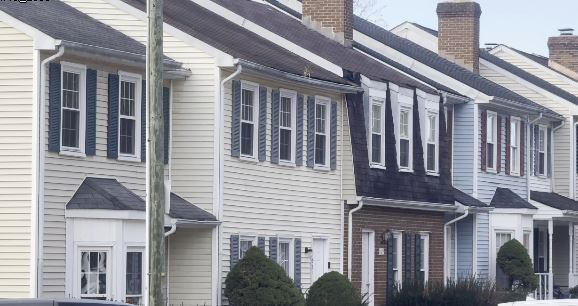
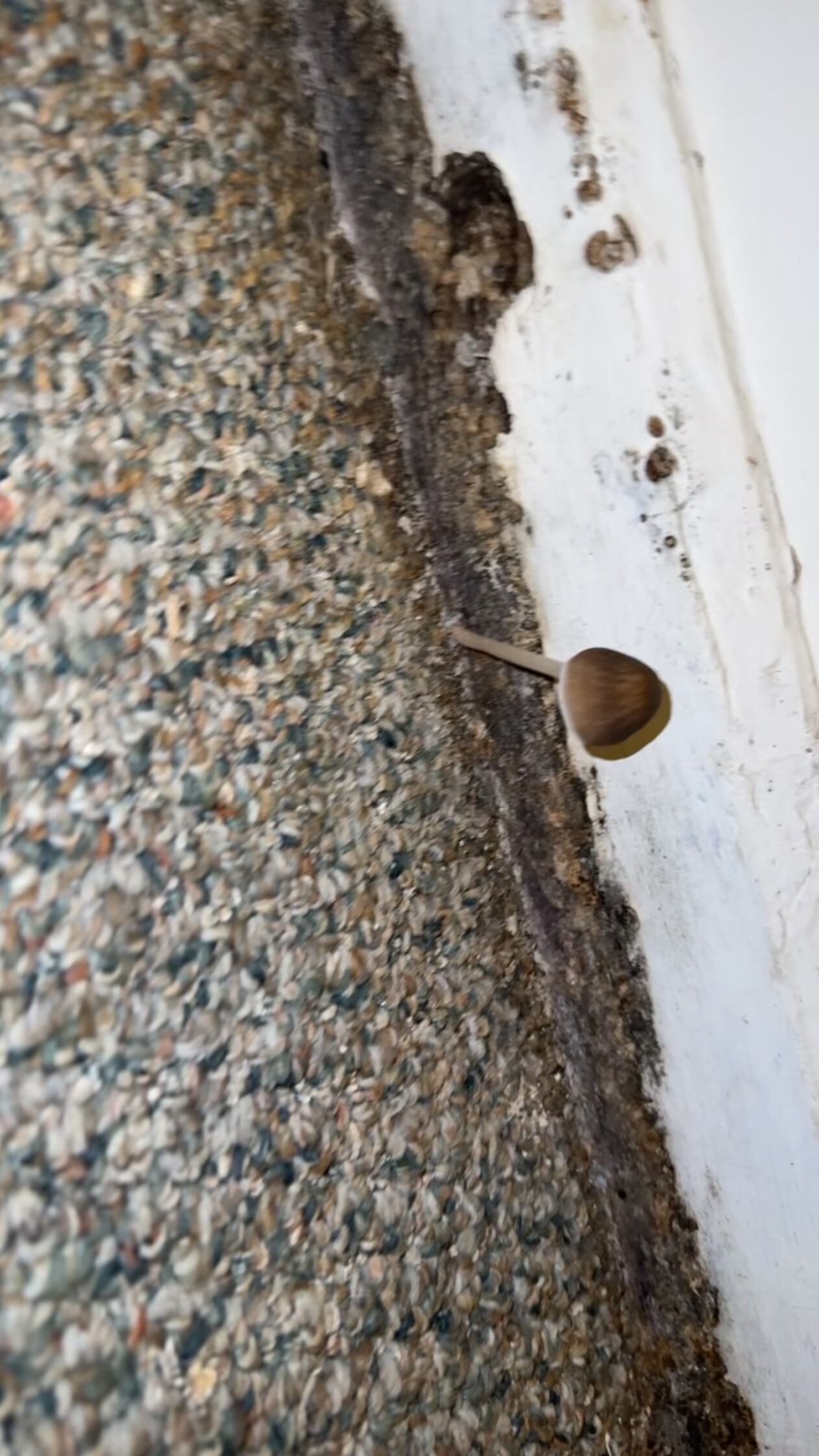
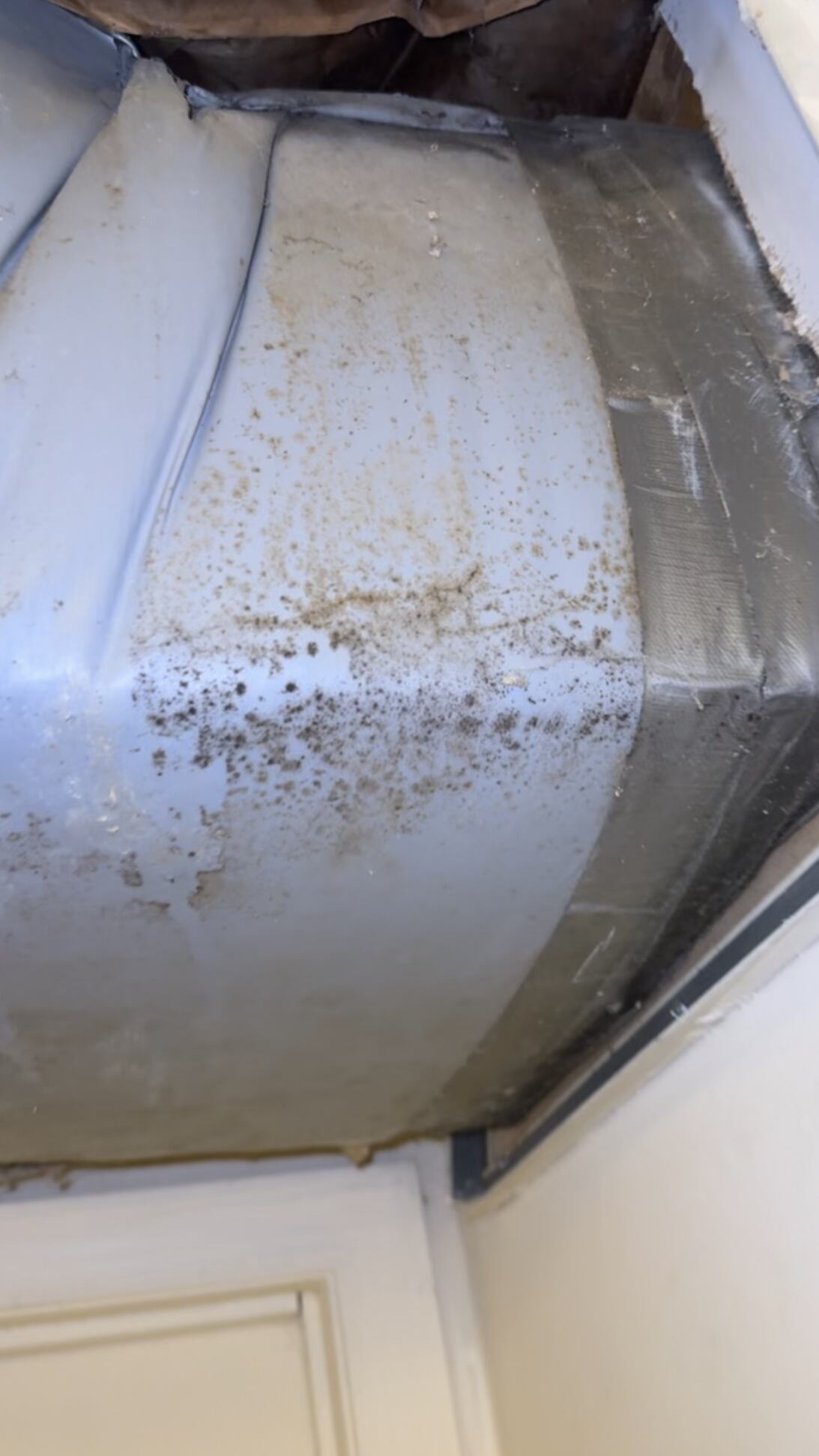
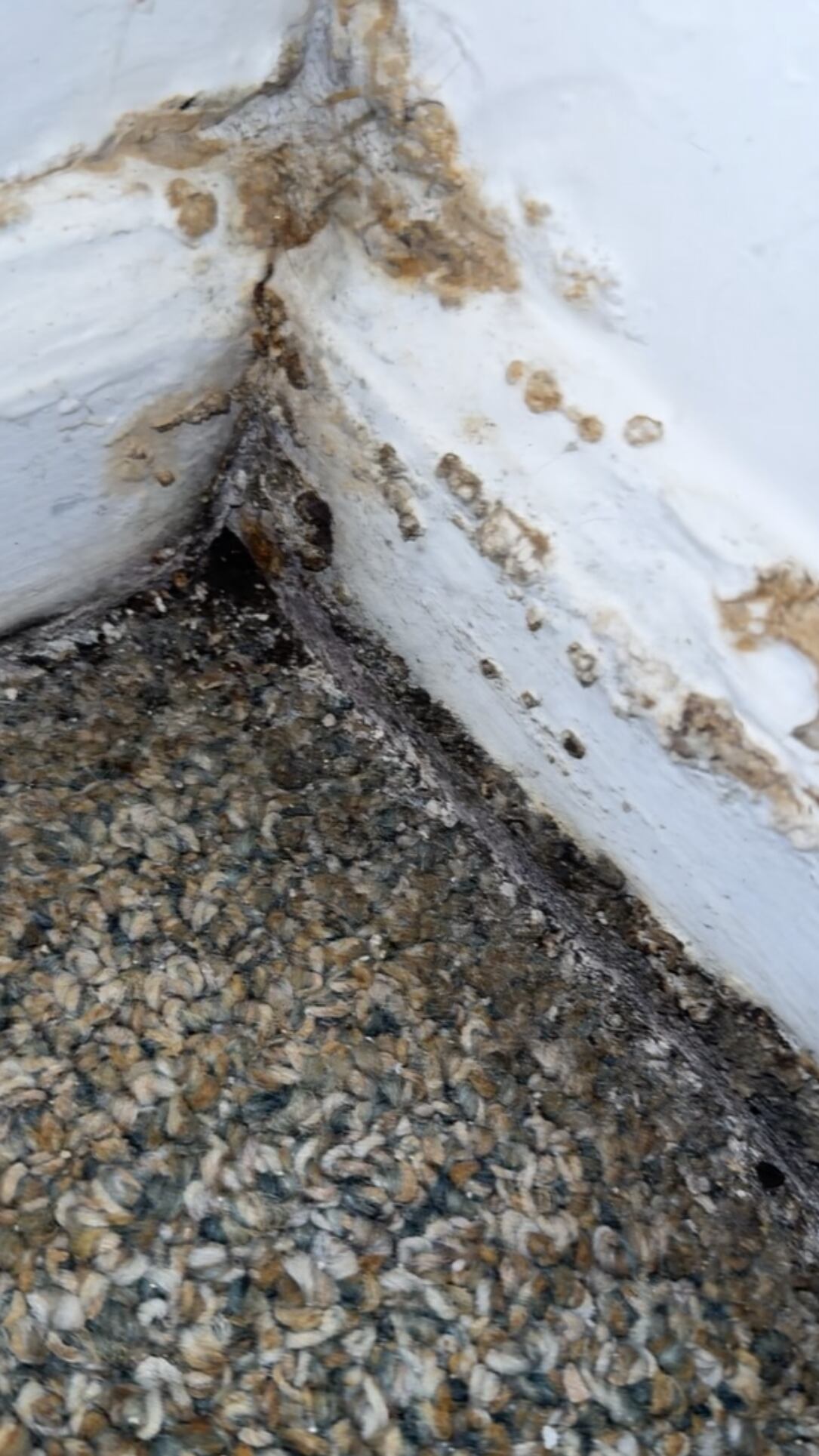
HARRISONBURG, Va. (WHSV) – Students and parents who signed a lease with Forest Hills Management, which operates an off-campus townhome complex near James Madison University, are expressing regret over their decision due to the poor conditions of the property. Issues such as mold, insects, falling ceilings, and electrical problems have led many to feel trapped in what they describe as “disgusting” living conditions.
Despite these concerns, tenants find themselves stuck because of the legally binding nature of their leases. Some families have even taken their grievances to court, seeking resolution for the unsanitary and unsafe environment they are living in.
Amanda Rieman, a lawyer and partner with AC Rieman Law, provided expert insight into tenant rights and how such cases are typically handled in court. According to Rieman, both landlords and tenants are governed by state law, and each has specific duties under the law. While tenants are responsible for keeping the property clean, landlords must also respond to any notice of a problem.
“For example, if a tenant says, ‘Hey, there’s mold in my apartment,’ and it’s not caused by the tenant’s negligence, such as leaving the shower running, at a minimum, depending on what that contract looks like, there should be a notice clause,” Rieman explained.



If mold returns after being cleaned, what does this indicate from a legal perspective?
“No matter what your contract states, it’s going to be superseded by Virginia law, and that’s just because of public policy. So, you can’t say, ‘Oh, I sent somebody out there,’ but the living condition is still what we call uninhabitable,” Rieman said. “Under the Virginia Residential Landlord and Tenant Act … no matter how many times it occurs, the landlord is under an obligation to provide a property that is safe for living, that’s healthy, meets safety codes, has working electricity, plumbing, heat, and is free of issues that would require maintenance and repair, like mold, and how a judge’s order for urgent repair works.”
When living conditions are so bad that they make tenants sick, simply complaining is not enough — proof of the allegations is necessary.
“If a tenant alleges that a landlord has caused them damages, they have the burden of proving that in a civil court,” Rieman said. “The landlord would not be charged with anything criminal … but the tenant would have to say, ‘Hey, I’m bringing a cause of action. There is a correlation between what I was stating are my damages.’ … It’s not enough to just say ‘I’ve been around mold,’ you’ve then got to say, ‘I’ve been around mold, and I incurred hospital bills.'”
Rieman emphasized that litigation comes with risks. At some point, tenants must weigh whether pursuing a case — and the associated attorney fees — is worth it or whether it’s better to do their due diligence and move on.
Can failures to follow EPA or industry mold standards, even after providing a doctor’s note, put the landlord at risk of additional penalties or lawsuits?
“The tenant has the duty of proving that, as a direct result of the landlord’s failure to remedy any mold, she suffered damages. And when it comes to medical things like mold and the impact it has, it’s a little bit more complicated, because she’d have to prove she didn’t have prior injuries, she didn’t have any type of prior complications, because what they don’t want to have happen in court is people just looking for quick payouts,” Rieman said.
“Hopefully, any issues can always be remedied between the parties without the interference or intervention of the court. Typically, you might see in a contract, we call it ADR — Alternative Dispute Resolution — where they can mediate it in good faith, knowing that litigation, while it’s an option, is the last resort to dispute resolution,” Rieman added.
How does a judge’s order for urgent repair affect the responsibilities or liabilities of the landlord?
“If a judge has issued an order that is going to compel the landlord, there is no gray area anymore,” Rieman said. “The landlord is compelled to remedy that issue because the judge has made it an order, and if they fail to do that, they’re in violation of a court order. And obviously, court orders, when they’re not followed, have very serious ramifications.”
Generally speaking, the risk of litigation is that you’re not in control of the outcome.
“You’re deciding a judge who’s the third-party neutral, who theoretically should have time to decide what’s best for your case, but you don’t know that judge. You don’t have a relationship with your judge. They’re supposed to be impartial, and because of that, the risk you run is the outcome that you hope for might not be what the judge thinks is the proper interpretation of the law,” Rieman said.
“When you litigate, nobody wins. Everybody’s spending money on attorneys’ fees, and that’s what you have to decide: ‘Am I going to be upside down in attorney’s fees, but be right, or am I going to learn from this, do different due diligence, and move on?’ So a lot of times, people are right, they just don’t file lawsuits because of the expense of going to court,” Rieman explained.
How significant is it that any remediation or changes are done by someone who is licensed or a certified worker when the judge has made that call?
“Once mold is remediated, that’s fantastic, but you have to make sure that it’s done by someone who is licensed to treat that mold and knows what they’re doing,” Rieman said. “The reason why is if this is an area that’s going to be re-rented, meaning another occupant or another tenant is going to come into that space, this cannot be a recurrent problem that would be against public policy.”
Rieman said that when something is wrong in your community and it affects your family and friends, it’s natural to want to take action. Even though fighting certain landlords can be tricky, she said there are still steps you can take.
“Anytime you see something wrong happening in your community — let alone the world, your friends, your family — there is this part of you that wants some type of call to action. I would say what people can do is bring awareness to these subjects, to say, ‘hey, we’re going to form a new club at our school that specifically goes over the VRLTA.’ And so when students, before you’re going to sign a lease, take a look. Make sure you know your rights,” Rieman said.
“Maybe we can get with the pre-law students or the people who are interested, and have some type of pro bono service where we’re reviewing contracts,” Rieman continued. “Kids in college, while you are over the age of majority, meaning 18, you’re still a teen, but you’re held to the same standard as an adult.”
Overall, Rieman said tenants should be cautious about any contracts they are entering and to do their due diligence by inspecting the unit, and avoid feeling pressured, adding that tenants can negotiate contracts if they know how to.