
Middle East Conflict May Accelerate West Canada’s LNG Projects
The Growing Importance of Canadian LNG Exports
The ongoing conflict in the Middle East has significantly disrupted global liquefied natural gas (LNG) trade, with approximately 20% of global LNG flows halted. This situation is creating a strong case for increased LNG exports from Western Canada. With its political stability and proximity to Asian markets, Canada’s Pacific Coast is well-positioned to become a key source of additional LNG supply.
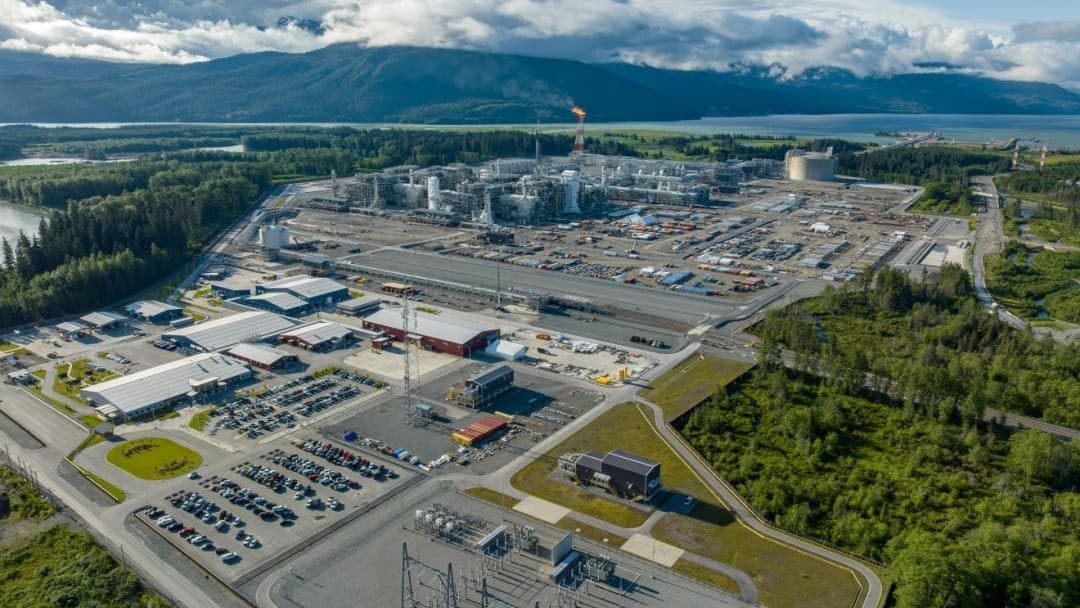
This shift is particularly significant as gas markets have moved from an expected surplus to a major supply shortage that could take years to resolve. Canada, with its potential to fill this gap, has the opportunity to play a more prominent role in the global energy landscape. However, the country currently only has one operational LNG export plant, which began commercial operations less than a year ago.
Potential for Expansion
Several other LNG export projects, including an expansion of LNG Canada, have been proposed in recent years. As the war continues to reduce global LNG supply, developers of Western Canadian projects are gaining more confidence in making final investment decisions soon. Despite this optimism, Canadian supply cannot immediately ease the current supply disruption. It is expected to add LNG volumes to the market at the end of this decade or even later.
Qatar’s state-owned firm, QatarEnergy, recently reported that damage caused by Iranian missile strikes at the Ras Laffan LNG complex, the world’s largest LNG-producing facility, could cost it about $20 billion per year in lost revenue. The repairs could take up to five years, further exacerbating the global supply shortage. Additionally, the de facto closure of the Strait of Hormuz has curtailed all Middle Eastern LNG exports passing through the chokepoint, including those from Qatar and the United Arab Emirates (UAE).
Impact on Asian Markets
North Asian buyers such as South Korea, Taiwan, and Singapore are particularly vulnerable to the Qatari LNG outage, according to estimates by Vortexa. Asian LNG importers are now scrambling for spot LNG supply. If the prolonged war continues to restrict supply from the Gulf region, many will be forced to seek alternative sources, such as the U.S. and Canada, as noted by a senior executive at Jera, Japan’s largest LNG buyer.
LNG Canada has been increasing its exports to Asia in recent months, even before the war disrupted global supply. South Korea has been the primary destination for Canadian LNG so far, according to RBC Capital Markets. While Canadian oil and gas exports remain largely focused on the U.S., the long-term potential for Canada to play a more significant role in de-risking Asian supply is evident.
Ongoing Projects and Challenges
Canada has several LNG projects in the works, but none have reached the final investment decision (FID) stage yet. The war in the Middle East and the growing demand for secure supply in Asia could accelerate these investment decisions. However, it remains to be seen whether Canada’s federal and provincial governments will act quickly to streamline permitting processes.
LNG Canada Phase 2 is among the five major projects of national importance proposed by Canadian Prime Minister Justin Trudeau last autumn. These projects aim to diversify Canada’s energy exports and position the country as an energy superpower. TC Energy chief executive François Poirier highlighted that the Middle East war makes the LNG Canada expansion more likely, although he noted that he is not privy to the thinking of other shareholders like Shell.
“There is a need for them to partner with somebody, and my view is that the odds of that project getting permitted are getting better by the day, given the overall tone in the marketplace,” Poirier said, referring to the Ksi Lisims LNG project.
Future Prospects
Poirier emphasized that there is sufficient demand for Canadian LNG to support both the LNG Canada expansion and the development of the Ksi Lisims LNG project. He believes that Canada should aspire to become the largest exporter of LNG to Asia.
As the global energy landscape continues to evolve, Canada’s role in meeting the growing demand for secure and reliable energy supplies is becoming increasingly important. The combination of political stability, geographic advantage, and strategic partnerships positions Canada to play a pivotal role in the future of global LNG trade.