Gold soars as oil drop eases inflation worries amid Trump Iran talks
Gold prices experienced a notable rise, yet they continue to trade approximately 17% below their peak in late January. This increase was driven by a combination of factors, including declining oil prices and the potential for reduced inflationary pressures, following reports that Washington is exploring ways to resolve the ongoing conflict in the Middle East.
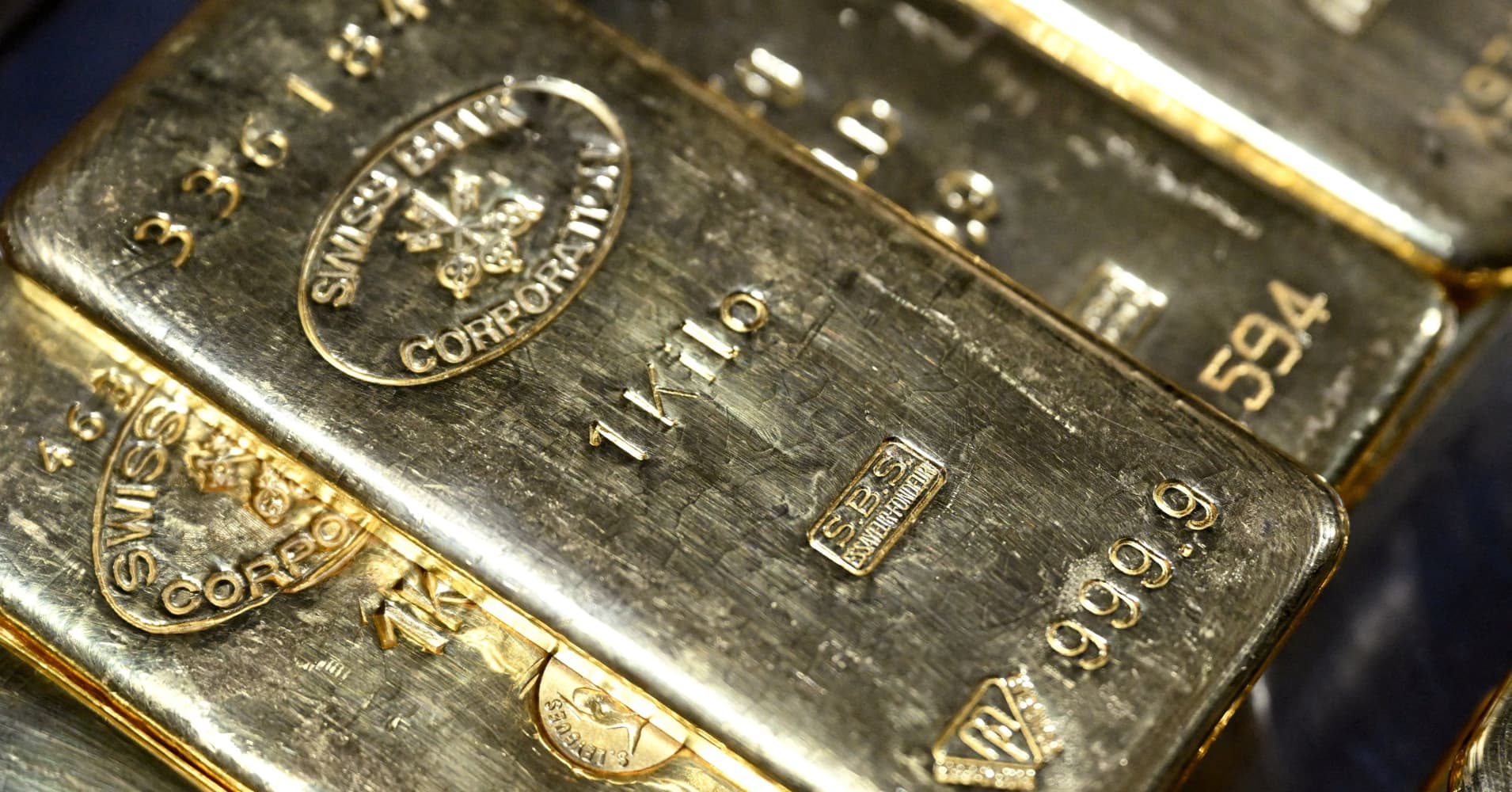
On Wednesday, spot gold prices increased by nearly 2% to $4,558.81 per ounce. Meanwhile, gold futures for April delivery saw a more substantial gain, rising over 3% to $4,552.30 per ounce. The movement in gold prices came amid heightened geopolitical tensions, with U.S. President Donald Trump suggesting that the United States and Iran are engaged in negotiations to end hostilities.
Trump stated on Tuesday that the U.S. and Iran are “in negotiations right now” and indicated that Tehran is open to reaching a peace deal. However, this claim was met with skepticism from Iranian officials. The top spokesperson for Iran’s military denied any direct talks with Washington, stating, “As we have always said… no one like us will make a deal with you. Not now. Not ever.”
In addition, overnight, Iran confirmed it would allow passage through the Strait of Hormuz for “non-hostile” vessels. The statement outlined specific conditions for safe passage, emphasizing that vessels must not participate in aggressive operations against Iran and must comply with safety and security measures. This development could help ease some of the pressure on global energy markets, which have been affected by the prolonged blockade of the critical waterway.
Oil prices also saw a decline on Wednesday morning, with international benchmark Brent crude futures falling around 5% to $99.13 per barrel. U.S. West Texas Intermediate futures dropped roughly 4% to $88.42 per barrel. These declines were attributed to the potential resolution of the Middle East conflict and improved market sentiment.
The dollar index, which tracks the value of the U.S. dollar against a basket of currencies, fell 0.17% during early Asia hours. A weaker dollar often supports gold prices, as it makes the metal cheaper for holders of other currencies.
Despite the recent rally, gold prices remain significantly below their late-January peak. Goldman Sachs has provided insights into this trend, noting that the recent pullback aligns with historical patterns. The bank’s co-head of global commodities research, Daan Struyven, highlighted that higher interest rate expectations and market volatility have contributed to the decline in gold prices.
Struyven explained that rising rate expectations have negatively impacted investor demand for gold, particularly through gold-backed ETFs, which are highly sensitive to interest rates. He also pointed out that periods of extreme market stress can lead to pressure on bullion, as investors facing margin calls may sell gold alongside other assets.
He suggested that the latest rally in gold prices may have exceeded fundamental factors, with part of the correction reflecting a return to normalization. However, despite these challenges, Goldman Sachs maintains a long-term bullish outlook for gold, projecting that the price could reach $5,400 by year-end. This forecast is supported by continued central bank buying, as countries seek to diversify their reserves into assets with lower geopolitical and financial risks.