
Middle-Class Families to Pay for Benefits Street Fuel Bailout Amid Iran Conflict
Energy Crisis and the Impact on Middle-Class Families
Middle-class families are facing a potential burden as they may end up subsidizing an energy bailout for those receiving benefits. This concern has been raised by Rachel Reeves, who has pledged support for “those who need it most” amid fears that the ongoing conflict in Iran could lead to a significant increase in energy bills this winter.
Reeves ruled out the type of blanket support seen in 2022, calling it a “mistake.” Instead, she is considering a package of “targeted” support aimed at those on benefits and low incomes. However, this approach has drawn criticism from the Tory leader, Kemi Badenoch, who urged ministers to scrap taxes on energy instead. She warned that Labour’s strategy would force middle-class families to subsidize lower-income households through higher taxes or bills.
Badenoch stated, “What we see with targeted support is taxes on other people to pay for support to others. This is Labour’s playbook. They keep raising taxes on everyone else to give benefits.”
She also suggested that scrapping green taxes on energy bills could reduce them by 20%, saving around £165 a year. These taxes were initially introduced by Ed Miliband and have affected both households and businesses.
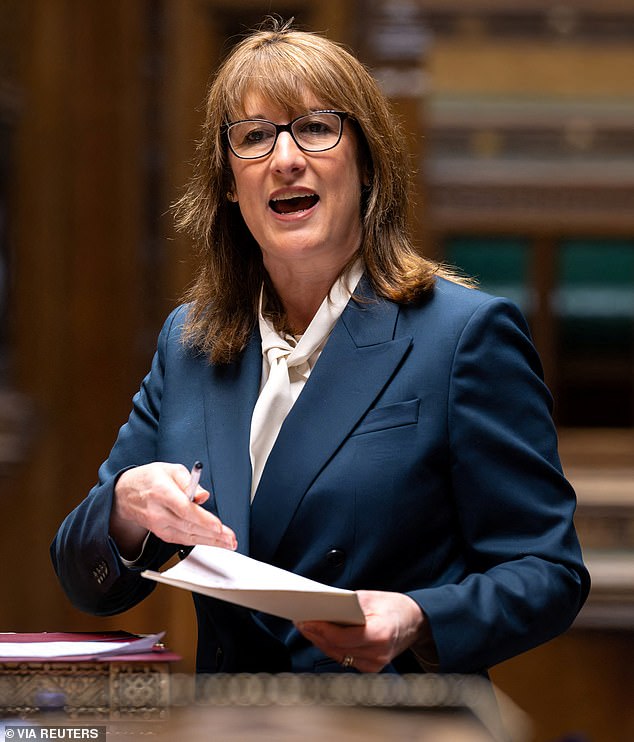


Reeves downplayed the possibility of increasing government borrowing to fund any bailout, emphasizing her commitment to “ironclad” fiscal rules. As a result, any assistance for low-income households is likely to be funded through higher bills or taxes on middle-class families.
Currently, around six million families receive £150 off their bills via the Warm Home Discount, which was expanded last year. The scheme is funded by a levy on the bills of others, averaging around £40 a year. Expanding the scheme further is one of the options being considered by the Treasury as it prepares plans for an energy support scheme this winter.
Other options include a subsidized “social tariff,” proposed by the Resolution Foundation, which would require about £4 billion a year in taxpayer support. Meanwhile, the Conservatives claim that scrapping green taxes on energy bills could cut them by 20%.
Rising Costs and Economic Challenges
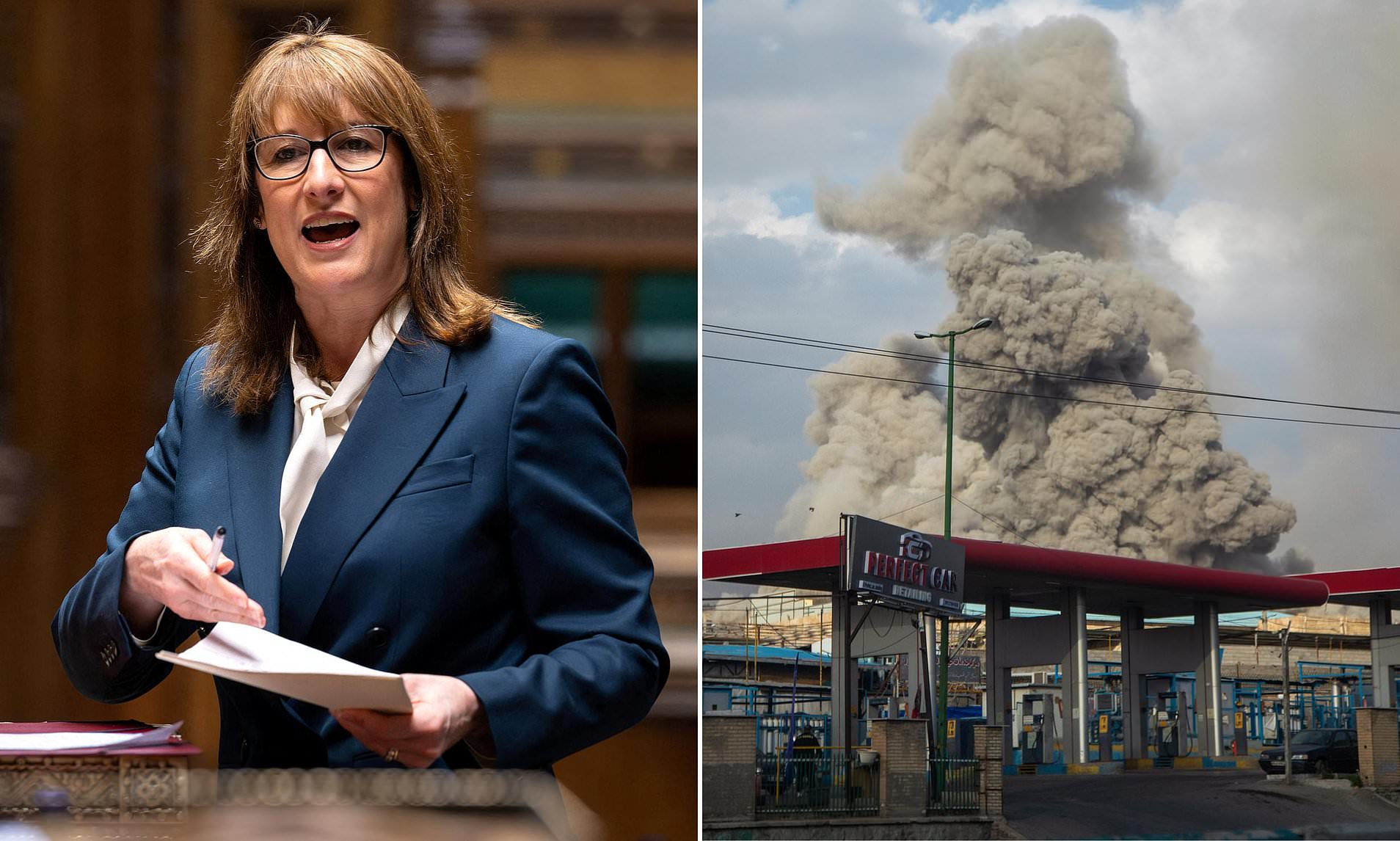
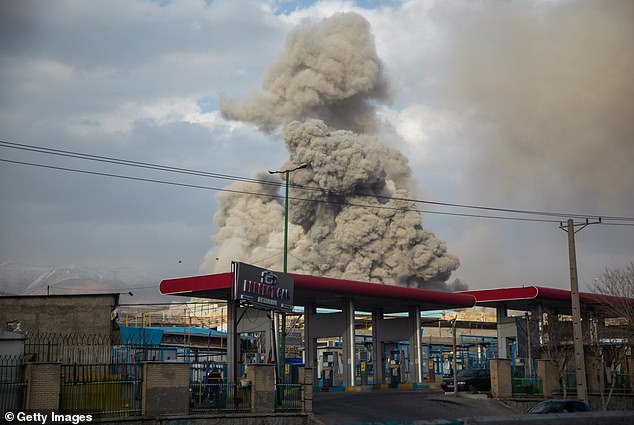
The situation has come amid growing concerns about the impact of the Iran war on the cost of living. Official figures are expected to show that inflation remained around 3% in February. However, energy prices have risen sharply since the US and Israeli attacks on Iran, with signs of knock-on impacts in other markets.
Analysts at Cornwall Insight predict that the energy price cap could jump by £332 in the summer. Petrol and diesel prices have hit their highest levels since the start of the war, with diesel up by 25p a litre this month—equal to almost £14 extra on the cost of a tankful.
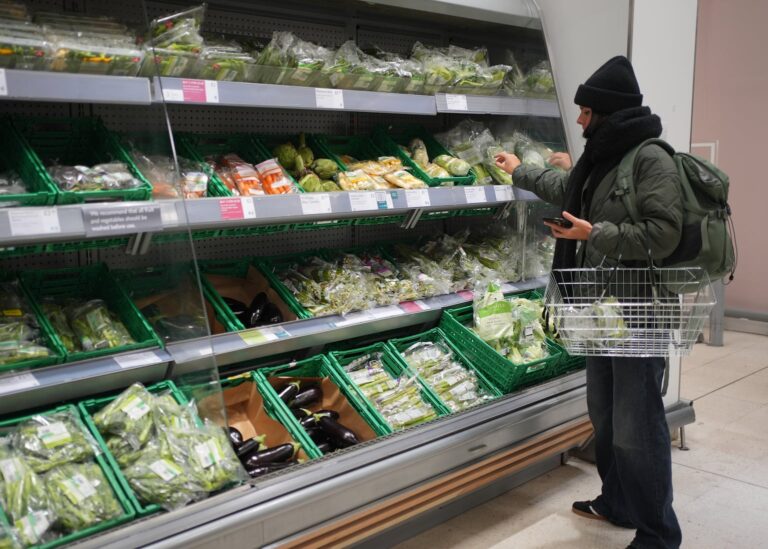
The Institute for Grocery warns that food inflation could reach 8% by the summer, adding nearly £500 to the average household grocery bill if sustained for a year. Institute economist James Walton said price rises are likely to be temporary but cautioned that “even in the best-case scenario, the conflict is likely to prolong the timeline for recovery from the cost of living crisis.”
A major survey also found that factory production costs are rising at the fastest pace since Black Wednesday in 1992. Additionally, hundreds of mortgage deals have been pulled from the market in recent weeks due to fears that expected interest rate cuts may be replaced by rate hikes if the Bank of England has to deal with a new wave of inflation.
Government Response and Criticism
Addressing MPs, Reeves warned that the fallout from the Iran war would pose “significant” challenges to the British economy this year. However, she offered no immediate help for struggling families. She mentioned that energy bills are set to fall next month due to a cut in the price cap, which will then be frozen until July. She also gave no commitment to extend the 5p cut in fuel duty, which is due to be phased out from September.
Soaring fuel bills are expected to deliver a hefty windfall for the Chancellor. One analysis estimated that the Treasury will pocket an extra £3 billion as a result of VAT on fuel and petrol and the windfall tax on energy firms. If inflation rises to 5%, as some analysts predict, the Exchequer is likely to receive billions more.
Tory MP Simon Hoare accused the Chancellor of “unwittingly profiteering through a massive hike in VAT and duty take” and urged her to ring-fence the cash to help struggling families.
The Conservative government imposed a blanket energy price freeze after Russia’s full-scale invasion of Ukraine in 2022, which cost £40 billion. Reeves suggested the government could not afford to repeat this move, despite championing the idea at the time.
Shadow Chancellor Sir Mel Stride urged Reeves to slash the welfare budget instead of increasing taxes again. He criticized her economic policies, saying they had left the country “weak” and warned that millions would suffer as a result of the energy shock.
Reeves also warned businesses against profiteering from the crisis and announced new powers for the Competition and Markets Authority to detect and crack down on price-gouging.