
Stocks, Bonds, and Gold All Plummet in Market Downturn
Global Markets Face Turbulence Amid Rising Energy Prices
The ongoing conflict in Iran and the sharp rise in energy prices have created significant uncertainty in global markets, affecting not only stock indices but also traditional safe-haven assets such as bonds, gold, and currencies. This situation has left many investors searching for stable investment options, only to find that even these haven assets are struggling.
The Dow Jones Industrial Average, S&P 500, and Nasdaq are each heading for their worst month in over a year. Typically, during periods of market stress or economic uncertainty, safe-haven assets like gold and government bonds act as a buffer for investors. However, this month has seen both gold and bonds fall in tandem with equities, diminishing their role as protective investments.
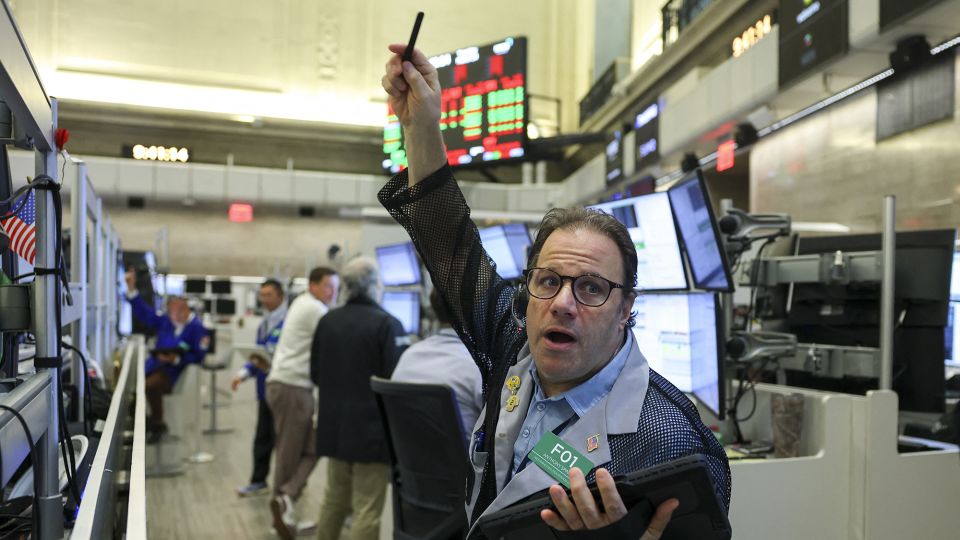
On Thursday, US stocks closed lower, with the Dow dropping 469 points, or 1.01%. The S&P 500 fell by 1.74%, marking its worst day in two months. Meanwhile, the Nasdaq plummeted by 2.38%, officially entering a correction after falling more than 10% from its peak in late October.
Gold futures declined by 4%, while Treasury yields rose as investors moved away from bonds. Mitch Hamer, founder and lead advisor at Intersecting Wealth, noted that “volatility persists when uncertainty is high,” emphasizing that elevated levels of volatility are evident across various asset classes.
The market’s reaction has been largely driven by the impact on oil prices and the uncertainty surrounding the duration of the conflict. On Thursday, Brent crude oil surged 5.7% to settle at $108.01 per barrel, while US crude rose 4.6% to $94.48 per barrel. Adam Turnquist, chief technical strategist at LPL Financial, highlighted that “it all boils down to oil markets and the implications on inflation,” adding that there is still no clarity on when the conflict will end.
The S&P 500 has dropped more than 7% from its record high in late January, and the uncertainty could persist as long as the Strait of Hormuz remains effectively closed. Gold has fallen nearly 17% this month, setting it up for its worst performance since October 2008. Higher oil prices and the potential for energy inflation are influencing central banks’ outlooks globally. The prospect of higher-for-longer interest rates increases the opportunity cost of holding gold, which does not generate income.
Bond prices have also declined this month, leading to higher yields. Treasury yields have climbed as investors adjust their expectations regarding inflation and the likelihood of fewer interest rate cuts. John Canavan, lead analyst at Oxford Economics, noted in a Thursday report that “the global bond market selloff continued through the London and European session, with the focus remaining on potential central bank reactions to rising oil prices.”
Long-term bond yields have risen alongside concerns about the Trump administration’s request for $200 billion to fund the Iran war, adding to worries about the deficit. In contrast, the US dollar has emerged as a relative safe haven, rising 2.4% this month. Short-term money market funds and cash equivalents are offering some respite from the volatility. Traders are pricing in no rate cuts from the Federal Reserve this year, which could keep money market funds and savings rates higher for an extended period.
Anthony Saglimbene, chief market strategist at Ameriprise Financial, emphasized that “the Strait of Hormuz remains essentially shut, the conflict is not over, and Truth Social posts are not a replacement for concrete diplomatic discussions that can lead to a lasting end to conflict across the region.” He advised investors to “stay informed, avoid overreacting to headlines, and maintain a balanced investment approach amid what could be continued near-term volatility.”