
China Launches Trade Investigations Ahead of Xi-Trump Meeting
China Launches Investigations into US Trade Practices
China has initiated two investigations into U.S. trade practices, marking a significant move in the ongoing trade tensions between the two global powers. This action comes as a response to similar probes launched by the Trump administration, with both nations preparing for an anticipated presidential summit in May. The Chinese Ministry of Commerce announced the investigations on Friday, mirroring the steps taken by the U.S. government to revive its tariff agenda after a recent Supreme Court ruling that struck down some of President Donald Trump’s duties.
In a statement, a spokesperson for the Ministry of Commerce expressed strong dissatisfaction and firm opposition to the so-called Section 301 investigations initiated on March 11. These investigations are part of a broader strategy by China to challenge what it perceives as unfair trade practices by the United States.

The timing of these investigations is notable, as it coincides with the White House’s announcement that President Trump will travel to China in mid-May to meet with President Xi Jinping. This summit, which was delayed due to the U.S. conflict with Iran, represents a critical moment for U.S.-China relations. While the two economies have largely stabilized their ties following a period of tariff battles last year, Beijing has made it clear that it opposes any new actions by the U.S.
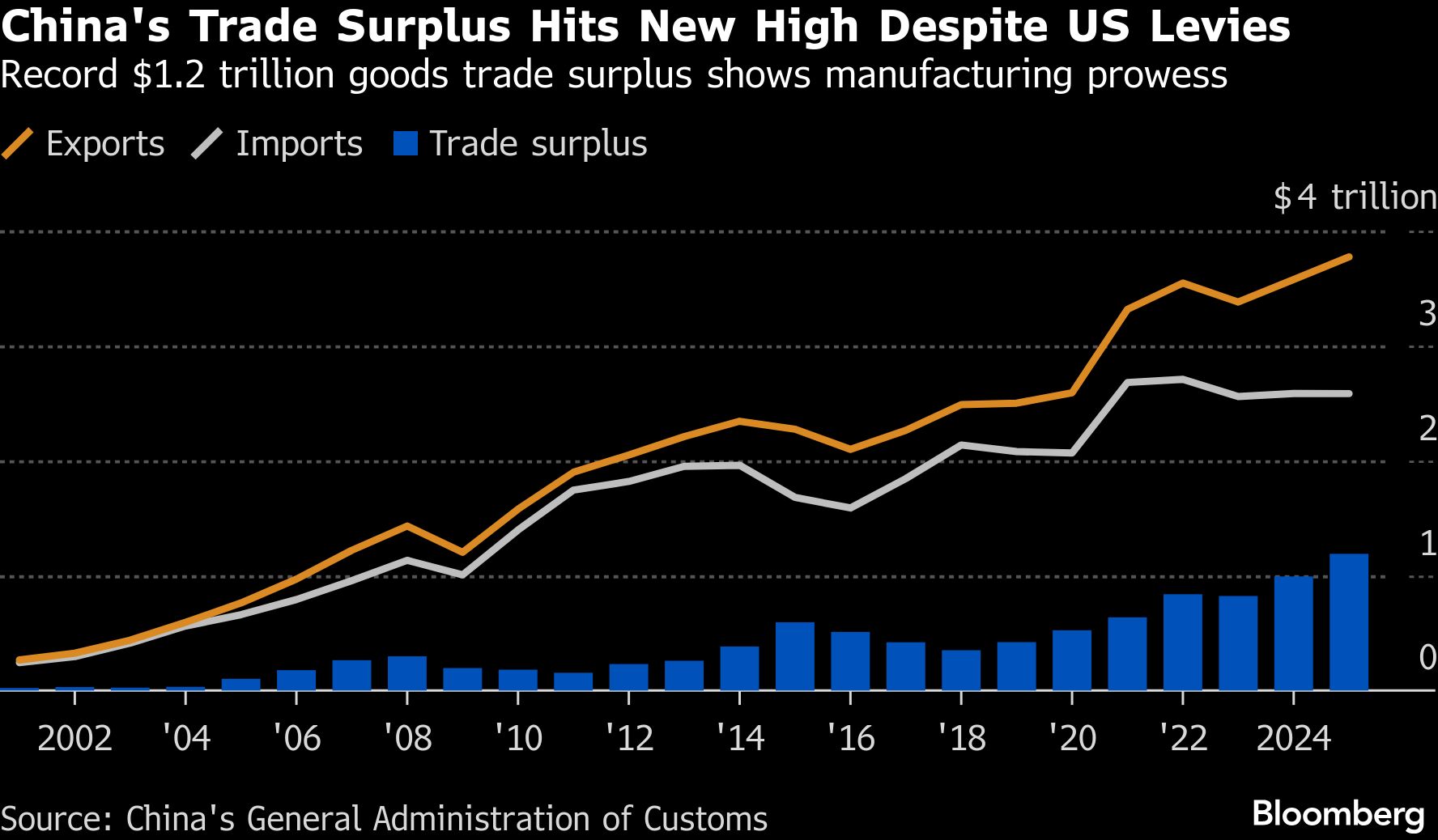
The U.S. conflict with Iran, a diplomatic partner of China, has introduced new strains into the relationship. However, both governments have continued to seek ways to engage and maintain dialogue. Other lingering issues include China’s significant trade surplus and U.S. arms sales to Taiwan, a self-governed territory that China claims as its own.
Although Beijing has not yet confirmed Trump’s visit to China, it typically announces such leadership movements closer to the event. Each of the new investigations has a six-month deadline, with the possibility of a three-month extension. This timeline provides Beijing with a legal basis for future countermeasures and gives it leverage ahead of any potential talks.
One of the previous investigations, which targeted Mexico in September, concluded on Monday. The investigation found that Mexico’s tariffs on Chinese goods were trade barriers, and Beijing vowed to take measures to protect the interests of its companies, without specifying the exact actions.
The latest investigations focus on U.S. practices that China claims disrupt global supply chains. This includes restrictions on Chinese goods entering American markets, export controls on advanced technology, and limits on bilateral investment in critical sectors. Another investigation targets what China describes as American barriers to trade in green products, including restrictions on exports of Chinese renewable goods to the U.S. and limitations on cooperation in green technology.
The Commerce Ministry stated that some measures in both investigations may violate World Trade Organization (WTO) rules and treaties that both countries have jointly signed.
Key Points of the Investigations
- Section 301 Investigations: These are part of the U.S. trade policy aimed at addressing what it considers unfair trade practices. China views these investigations as a direct challenge to its economic interests.
- Global Supply Chain Disruptions: The investigations highlight concerns over how U.S. policies affect the flow of goods and services between the two nations.
- Green Products and Technology: China is particularly concerned about U.S. restrictions on renewable energy exports and collaboration in green technology, which it sees as essential for sustainable development.
The U.S. Trade Representative recently initiated a Section 301 investigation into China and 15 other economies over alleged excess manufacturing capacity. The following day, the USTR opened another investigation into 60 economies, including China, over a ban on imports made with forced labor.
Chinese Commerce Minister Wang Wentao raised “serious concerns” with U.S. Trade Representative Jamieson Greer during a meeting in Cameroon. Wang referenced President Xi Jinping and described trade as the “ballast” of the relationship. He urged the U.S. to avoid “vicious competition” and implement the consensus reached during previous meetings between the leaders.
Officials from both countries, including Greer and Treasury Secretary Scott Bessent, met in Paris earlier this month to lay the groundwork for the summit. Discussions included the possibility of establishing a trade enforcement panel to address disputes, a mechanism that Greer has referred to as “a U.S.-China Board of Trade.”