
Trump invites farmers to White House to showcase his policies
President Trump Addresses Farmers Amid Rising Costs and Trade Tensions
One month into a conflict that has significantly increased fuel prices and raised concerns about potential fertilizer shortages, which could impact global food supplies, President Donald Trump is making efforts to reassure American farmers. He is emphasizing that everything is under control and encouraging them to appreciate his support through taxpayer-funded assistance aimed at mitigating the effects of his tariff policies.
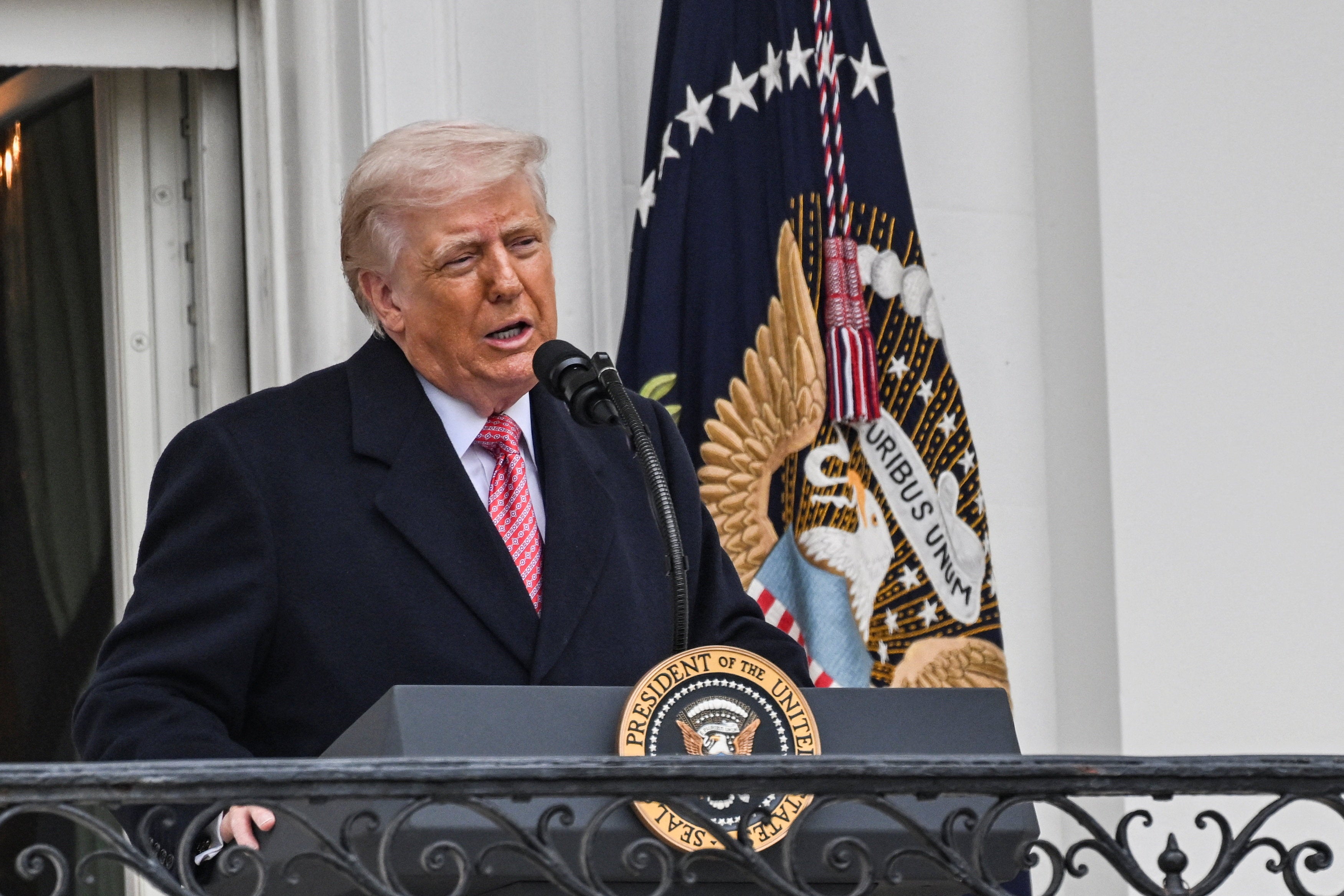
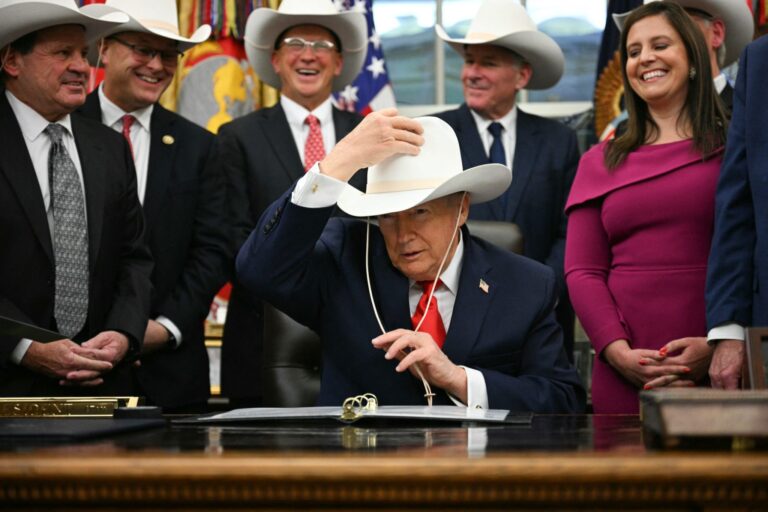
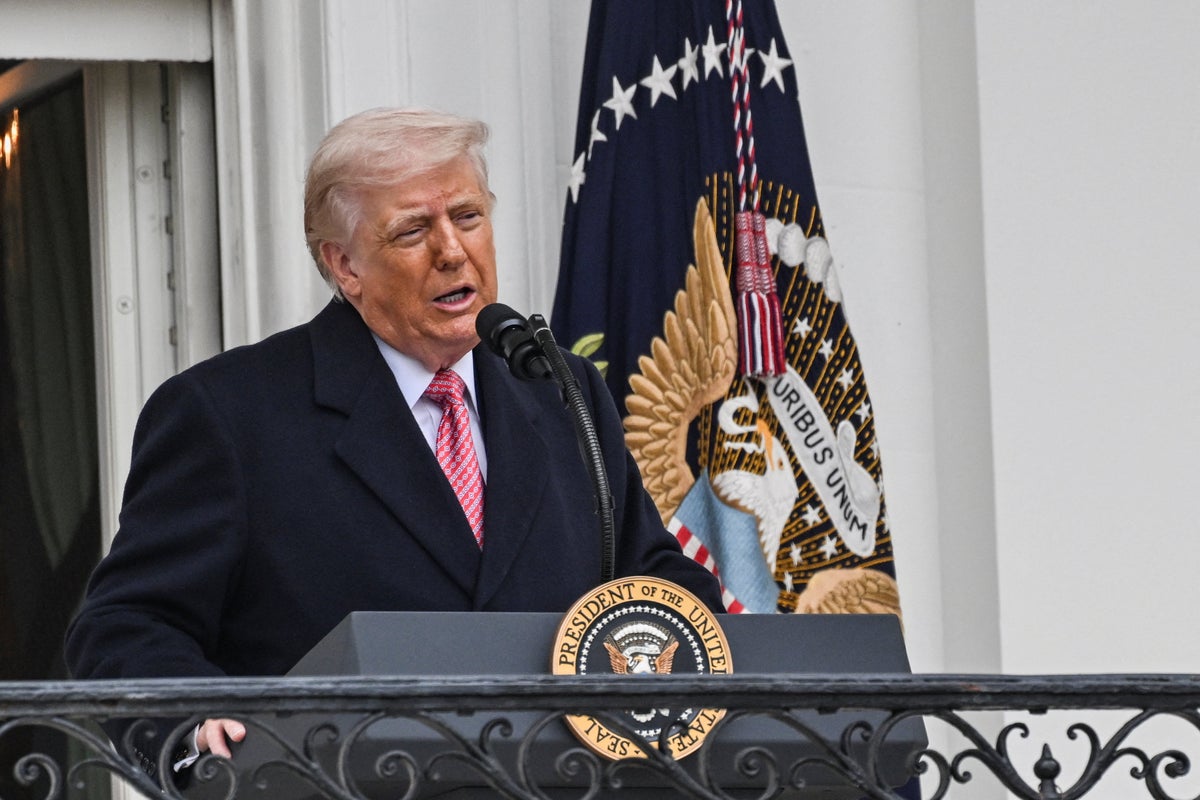
On Friday, the president addressed what he described as “the largest gathering of American farmers in White House history” from the Truman Balcony. During this event, he highlighted new policies that he claims will help farmers save money and stay in business despite rising input costs, which are partly a result of his own actions.
Trump asserted that farmers had been negatively affected by the policies of his predecessor, Joe Biden. He accused Biden of imposing “brutal restrictions” on the American agriculture industry and failing to negotiate any new trade deals for farmers.
“Now, the American farmers, ranchers, growers, and producers have once again found a true friend and champion in the Oval Office,” Trump stated, emphasizing his commitment to supporting agricultural operators. He mentioned rescinding environmental regulations on water use, enacting tax cuts and deductions for farmers, and virtually eliminating the estate tax, which Republicans have long opposed.
Despite claiming that farmers do not want handouts but instead seek a “level playing field,” Trump proceeded to boast about using revenues from illegal import taxes—some of which have been ruled unconstitutional by the Supreme Court—to provide financial aid to farmers.
“We’ve taken in hundreds of billions of dollars from the tariffs. And as I said, we gave you $12 billion in farm relief, and that happened just recently because you were hurt by certain countries unfairly. And I said you were unfairly hurt, and we gave you $12 billion and that made up for it,” Trump said.
However, the program he was referencing did not actually use tariff revenues to provide direct cash assistance to farmers. Instead, the initiative, announced in December during a White House roundtable, involved funding from the Commodity Credit Corporation, an agency within the Department of Agriculture. This agency often borrows up to $30 billion from the treasury and private lenders to finance farm safety net programs.
This approach mirrored Trump’s response to previous tariff-induced hardships faced by farmers during his first term, when he provided $28 billion in taxpayer funds to support affected farmers ahead of the 2020 election.
Focus on Technology and Renewable Fuels
Trump also delved into discussions about how his administration is helping farmers maintain and repair increasingly complex and computerized farm equipment. He attributed these technological advancements to “environmentalist terrorists.” At the same time, he promoted new renewable fuel standards that would allow more corn-based ethanol to be sold year-round in gasoline.
He claimed these regulations would generate over $10 billion in rural economic benefits, create approximately 100,000 new jobs, and significantly boost the nation’s energy supply. Additionally, he announced “massive new loan guarantees” for farmers through the Small Business Administration.
As he discussed the benefits of this new program in various states, his mention of Minnesota led him to launch into an angry rant about Governor Tim Walz, whom he called “crazy,” and Attorney General Keith Ellison, whom he labeled a “dirty cop.” He also threatened to “take back” the Gopher State from “Somalia.”
“Somalia is considered the worst, the worst country. It’s not even a country like the worst country in the world … they come over here, and they steal $19 billion,” he said.