
America’s HR Leaders: We’re Misunderstanding AI Agents
The Changing Perception of AI in the Workplace
Human resources leaders at some of America’s largest companies are beginning to shift their perspective on artificial intelligence (AI). They are moving away from treating AI as if it were a human employee and instead focusing on how these tools can be integrated more effectively into business operations.
For the past year, many organizations have been exploring the concept of managing a hybrid workforce that includes both human employees and AI agents. These agents often come with names, job titles, and performance metrics, similar to their human counterparts. However, executives from major companies like IBM and Microsoft now argue that this approach may not be the most effective way to harness the full potential of AI technology.
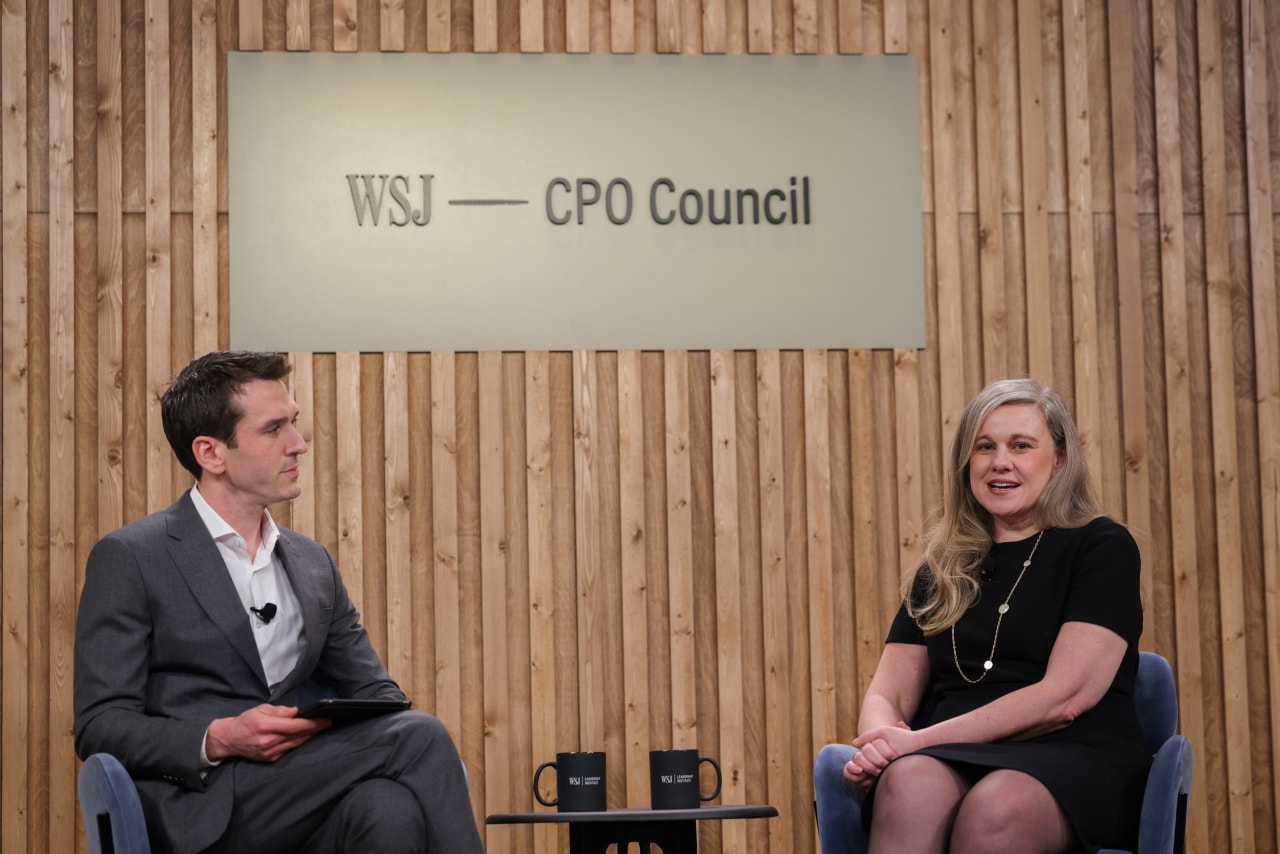
Nicki LaMoreaux, IBM’s chief human resources officer, emphasized this point during a recent speaking engagement at the WSJ Leadership Institute’s Chief People Officer Summit in Menlo Park, California. She stated that AI agents should not be given human-like names or placed on organizational charts. Additionally, they shouldn’t be assigned specific job titles.
“We learned this the hard way,” LaMoreaux explained. IBM previously used AI agents with names such as Harry, Hermione, Charlie, and Sherlock. However, this approach led to an overemphasis on individual use cases rather than leveraging AI for broader process improvements.
LaMoreaux noted that many chief people officers are getting bogged down by questions about what each AI agent does. Instead, she argued, the focus should be on integrating AI into enterprise workflows to achieve more impactful results. This means declaring, from the top down, how employees will receive customer support or how promotion processes will operate. The key is to focus on the workflow and the overall experience rather than on individual AI agents.
A New Approach to Managing AI
According to LaMoreaux, the way leaders should manage AI is similar to how they have managed previous waves of digital transformation and automation. “Managing technology the way you’ve always managed technology for decades,” she said. Managing people is fundamentally different from managing technology.
While some companies continue to promote the idea of AI agents as fully formed “digital workers,” others are taking a different approach. For example, BNY employs dozens of AI “digital employees” that have company logins and human managers. These agents are built on the company’s proprietary AI platform named Eliza, after the wife of BNY founder Alexander Hamilton.
On the other hand, Microsoft’s agents do have names, but they don’t tie into any Broadway musical references. Amy Coleman, Microsoft’s chief people officer, also spoke at the summit and highlighted that she doesn’t envision agents taking on traditional job titles. Instead, she focuses on tasks within jobs that can be automated.
Coleman added that she doesn’t foresee a future where an AI agent manages a human. However, she acknowledged that this could change as the technology evolves.
The Reality of AI Capabilities
The shift in perception isn’t primarily driven by concerns about human anxiety regarding job loss or replacement. Rather, it stems from a realistic assessment of what AI can actually do. AI agents are not humans, and this distinction is critical.
Aaron Levie, co-founder and CEO of Box, pointed out during the summit that even highly capable AI agents cannot be held accountable for their actions. “Accountability has to lie with humans. All our laws are set up to require that,” he said.
Despite this limitation, Levie believes that the transformation AI agents will bring to organizations will be significantly greater than previous waves of automation. “This is the biggest shift we’ve ever seen in corporate work,” he stated.
Conclusion
As companies navigate the integration of AI into their operations, the focus is shifting from viewing AI as a human-like worker to recognizing its role as a powerful tool for enhancing efficiency and productivity. By rethinking how AI is managed and integrated, organizations can unlock new opportunities for innovation and growth.