Dow enters correction as stocks fall amid Iran tensions
Market Declines and Correction Territory
U.S. stocks experienced a significant downturn on Friday, with each of the three major U.S. indexes closing at their lowest levels in over seven months. The Dow Jones Industrial Average confirmed it was in correction territory, marking a substantial drop from its previous high. This decline occurred as the ongoing Middle East war continued to suppress investor confidence and risk appetite.
The situation escalated when President Donald Trump announced that he had given Iran an additional 10 days to reopen the Strait of Hormuz or face potential destruction of its energy plants. However, Iran rejected these proposals, which were aimed at ending the conflict that began with U.S.-Israeli air strikes on Iran.
Secretary of State Marco Rubio stated that the U.S. could achieve its objectives in Iran without deploying ground troops and expected the operation to conclude within weeks. Despite this, there have been recent deployments of additional forces to the region, adding to the uncertainty.
Energy Prices and Market Performance
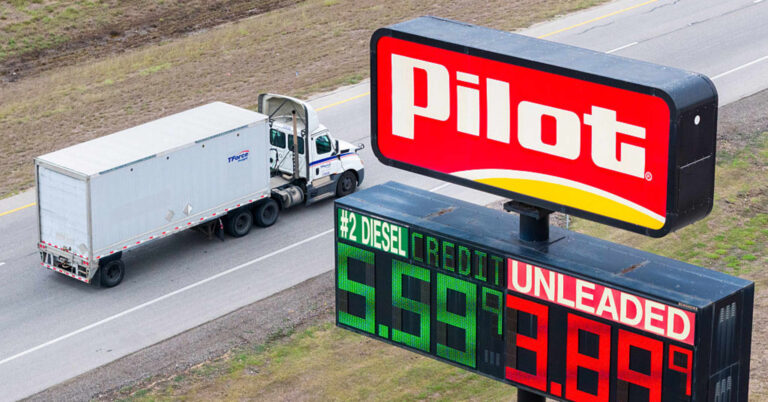
Despite the tensions, U.S. crude oil prices saw a notable increase, settling up 5.46% at $99.64 a barrel. Similarly, Brent crude rose 4.22% to settle at $112.57 per barrel. However, these gains were minimal when compared to the week’s overall performance.
The Dow, S&P 500, and Nasdaq all suffered their fifth consecutive weekly decline, marking the longest such streak in nearly four years. The Dow is now down more than 10% from its February 10 record close, officially entering correction territory. This follows the Nasdaq crossing the correction threshold, while the Russell 2000 was the first to confirm its correction status last Friday.
Analyst Perspectives and Market Concerns
Ken Polcari, partner and chief market strategist at SlateStone Wealth, commented on the current market sentiment, stating, “Clearly, the overall tone has turned very negative and now we have broken down into correction territory.” He added, “In the end, I would view this as a big opportunity, but would not be surprised if we see a drawdown anywhere between 15% to 20% before it is over.”
The market performance was marked by significant declines across various sectors. The Dow Jones Industrial Average fell 793.47 points, or 1.73%, to 45,166.64, while the S&P 500 lost 108.31 points, or 1.67%, to 6,368.85. The Nasdaq Composite also dropped 459.72 points, or 2.15%, to 20,948.36.
The CBOE Volatility Index, often referred to as Wall Street’s fear gauge, reached its highest close since April 21, rising 3.61 points to 31.05.
Sector Performance and Inflation Fears
Megacaps were the biggest drag on the benchmark S&P index, with Nvidia declining 2.2% and Amazon dropping 4%. Software shares faced renewed selling pressure, with the S&P 500 software and services index closing at its lowest level since November 6, 2023.
Consumer discretionary stocks were among the worst performers, dropping 3.1%. Cruise operator Carnival saw a 4.3% slump after cutting its annual adjusted profit forecast, while Norwegian fell 6.9%.
The surge in oil prices, along with other products like fertilizer, due to the Iran war, has raised inflation concerns. This has dampened expectations that the Federal Reserve and other central banks will have room to lower interest rates.
Central Bank Expectations and Consumer Sentiment
Money market participants are not pricing in any easing from the U.S. Federal Reserve this year, compared to previous expectations of two rate cuts. According to the CME’s FedWatch Tool, markets now price in a roughly 25% chance for a hike of at least 25 basis points at the Fed’s October meeting.
Philadelphia Fed President Anna Paulson acknowledged the risks to the economy from the war but did not specify how this might affect monetary policy in the near term.
U.S. consumer sentiment slipped to a three-month low in March, raising concerns about the economy due to the Middle East war. Declining issues outnumbered advancers by a 3.38-to-1 ratio on the NYSE and by a 3.62-to-1 ratio on the Nasdaq.
The S&P 500 posted 22 new 52-week highs and 27 new lows, while the Nasdaq Composite recorded 25 new highs and 355 new lows. Volume on U.S. exchanges was 18.13 billion shares, compared with the 20.4 billion average for the full session over the last 20 trading days.