
Outside Managers Set to Lead Top HISD High Schools, More Campuses Likely Next
Houston ISD’s Magnet High Schools Transition to Nonprofit Management
Four of Houston ISD’s most prestigious magnet high schools will now be managed by nonprofit organizations, following the district’s state-appointed Board of Managers’ decision to outsource operations. This move is expected to bring a new level of autonomy to these schools while raising questions about financial management and accountability.
The decision to transfer management to nonprofits was welcomed by some parents and school leaders who believe it could help preserve what makes these schools successful. Naomi Doyle-Madrid, whose children have attended two of the affected schools, expressed hope that more HISD schools would have similar opportunities.
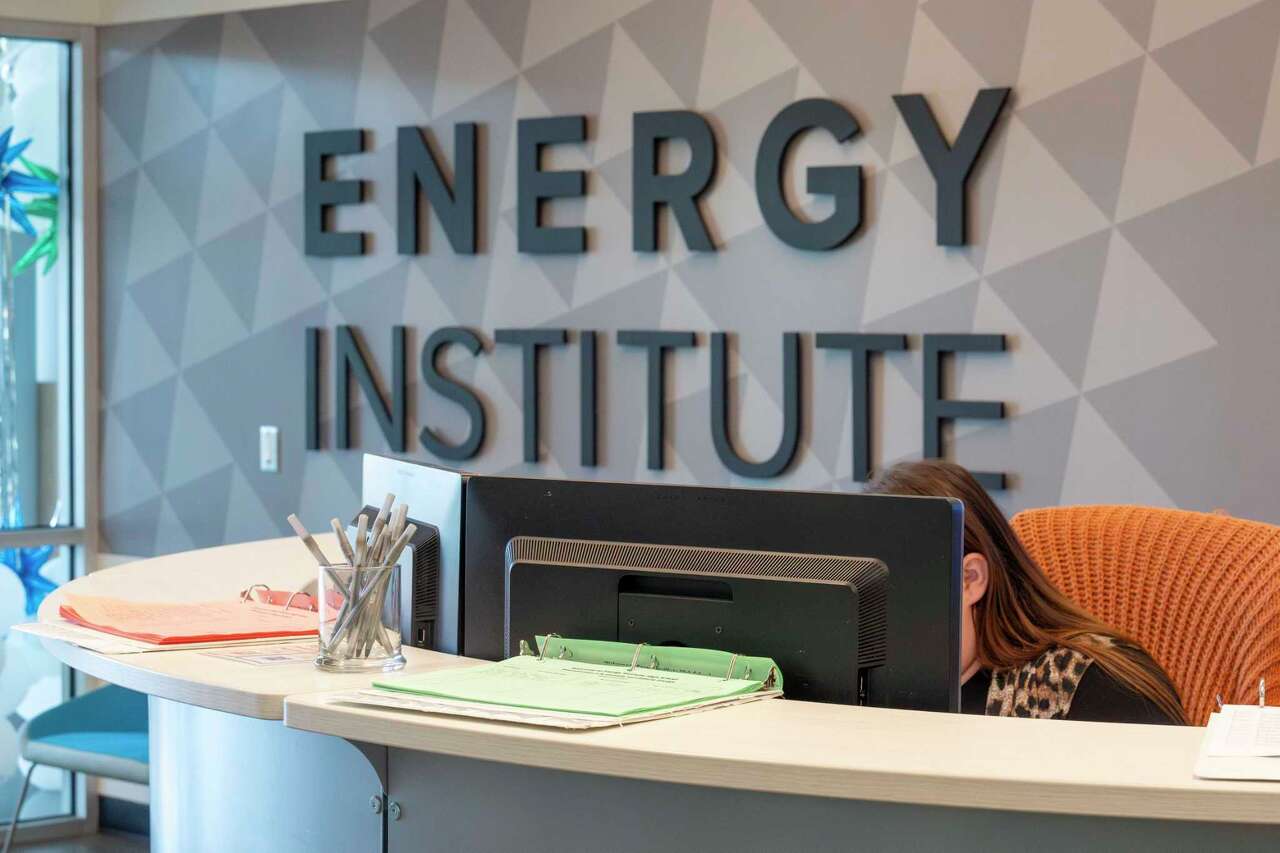
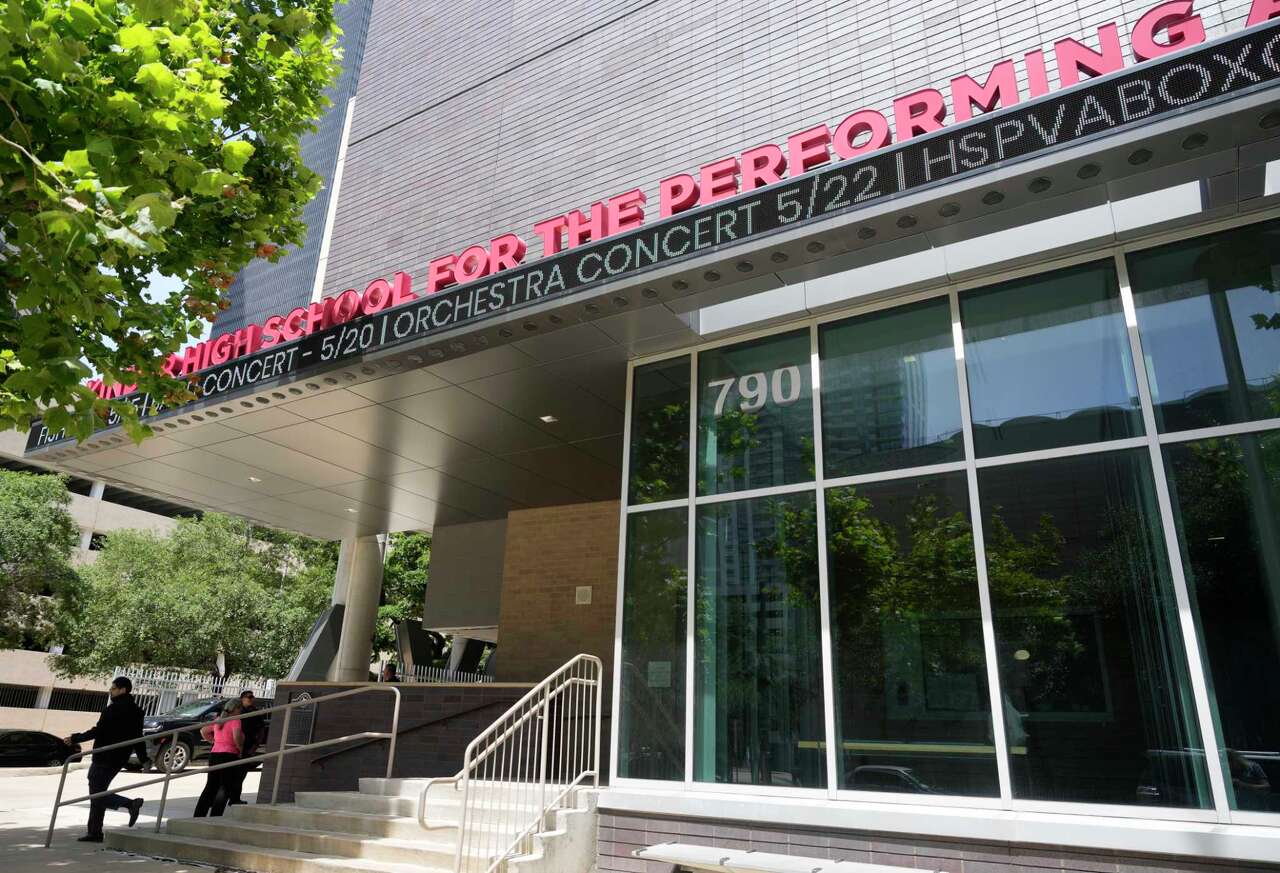
The district has approved five-year contracts with nonprofits for the Kinder High School for the Performing and Visual Arts (HSPVA), Energy Institute High School, Challenge Early College High School, and the Houston Academy for International Studies. Additionally, a contract with education nonprofit Collaborative for Children has been signed to manage pre-K centers.
HSPVA Friends, the longest-running nonprofit associated with a high school, will continue its role, while two new nonprofits have recently registered with the state. The contracts were still under negotiation as of two weeks ago, leading to a delay in the vote, which was eventually held at an employee hearing meeting.
The contracts are part of Senate Bill 1882, which allows top-performing schools to gain more autonomy. These schools, rated “level 4” in the state’s A-F accountability system, can make decisions on programs, curriculum, and staffing through partnerships. However, the district emphasized that this autonomy comes with performance requirements.
Financial Implications and Accountability
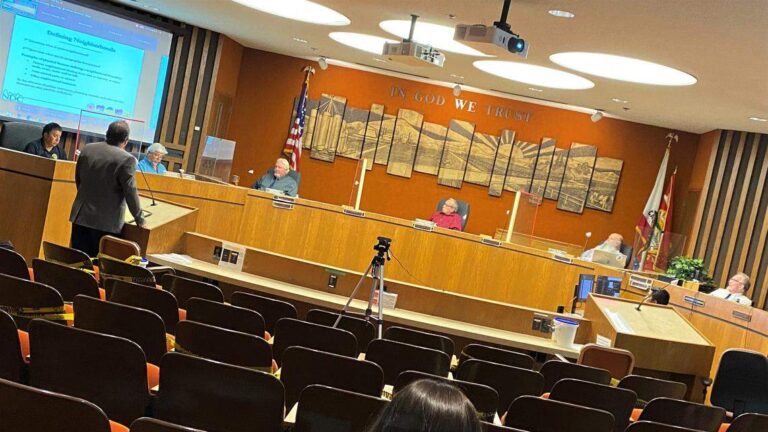
The contracts are expected to bring an estimated $1,400 per student in additional state funding. HISD will allow these high schools to receive 80% of that funding, with the remaining 20% going toward students outside those schools. The final vote, which drew a smaller crowd than previous meetings, was unanimous, with state-superintendent Mike Miles giving a thumbs-up to the decision.
School leaders expressed optimism about the partnership, seeing it as an opportunity to sustain and innovate their programs. HSPVA’s principal, Priscilla Rivas, highlighted the school’s legacy as a pioneer in combining arts excellence with academic rigor. Similarly, Lori Lombropoulos, founding principal of Energy Institute High School, emphasized the importance of innovation and stable funding for maintaining quality education.
The contracts also include financial “guardrails” to ensure accountability. Nonprofits must meet certain performance requirements, including maintaining A ratings and narrowing achievement gaps between student groups. The local regional educational service center, Region 4, will train nonprofit boards, and the district will conduct annual audits.
Challenges and Future Plans
While the partnership offers more autonomy, it also brings challenges. The nonprofits must navigate complex financial structures, including managing day-to-day care of facilities and adhering to strict performance metrics. The district will continue to own the facilities, but the nonprofits are responsible for maintenance and repairs.
Melissa Jacobs Thibaut, founding principal of the Houston Academy for International Studies, shared her experiences of achieving success with limited resources. She emphasized the importance of community support and the need for sustainable funding to maintain the school’s standards.
Looking ahead, HISD plans to consider middle schools for similar partnerships in the future. Several other high schools, including Eastwood Academy High School, Carnegie Vanguard High School, and DeBakey High School for Health Professions, may seek outside managers next year.
Impact on District Funding
The additional state funding from the partnerships could help bolster HISD’s finances as the district faces declining enrollment and rising costs. Miles’ New Education System, aimed at improving test scores at underserved campuses, is costly, and the district is also exploring ways to tie teacher salaries to evaluations rather than years of service.
To address funding challenges, HISD has closed several schools and approved a small tax increase due to Hurricane Beryl. The district is also seeking to balance the needs of all students, ensuring that the funds from the partnerships benefit not just the participating schools but also others across the district.


Ongoing Oversight and Collaboration
The transition to nonprofit management involves ongoing collaboration between the district and the nonprofits. Each school will receive a base funding amount, with additional incentives based on the number of special education, emergent bilingual, and career and technical education students. The district and nonprofits negotiate staff compensation, ensuring that employees work for HISD while the nonprofits take on at least one employee.
Alene Coggin, executive director of HSPVA Friends, emphasized the importance of aligning teacher compensation with the talent and expertise of educators. She highlighted the nonprofit’s close relationship with teachers and its commitment to monitoring performance metrics and international trends in the arts.
As the district moves forward, the focus remains on ensuring that the partnerships lead to improved outcomes for students while maintaining transparency and accountability.