
Yes, AI Will Change Jobs. No Need to Panic.
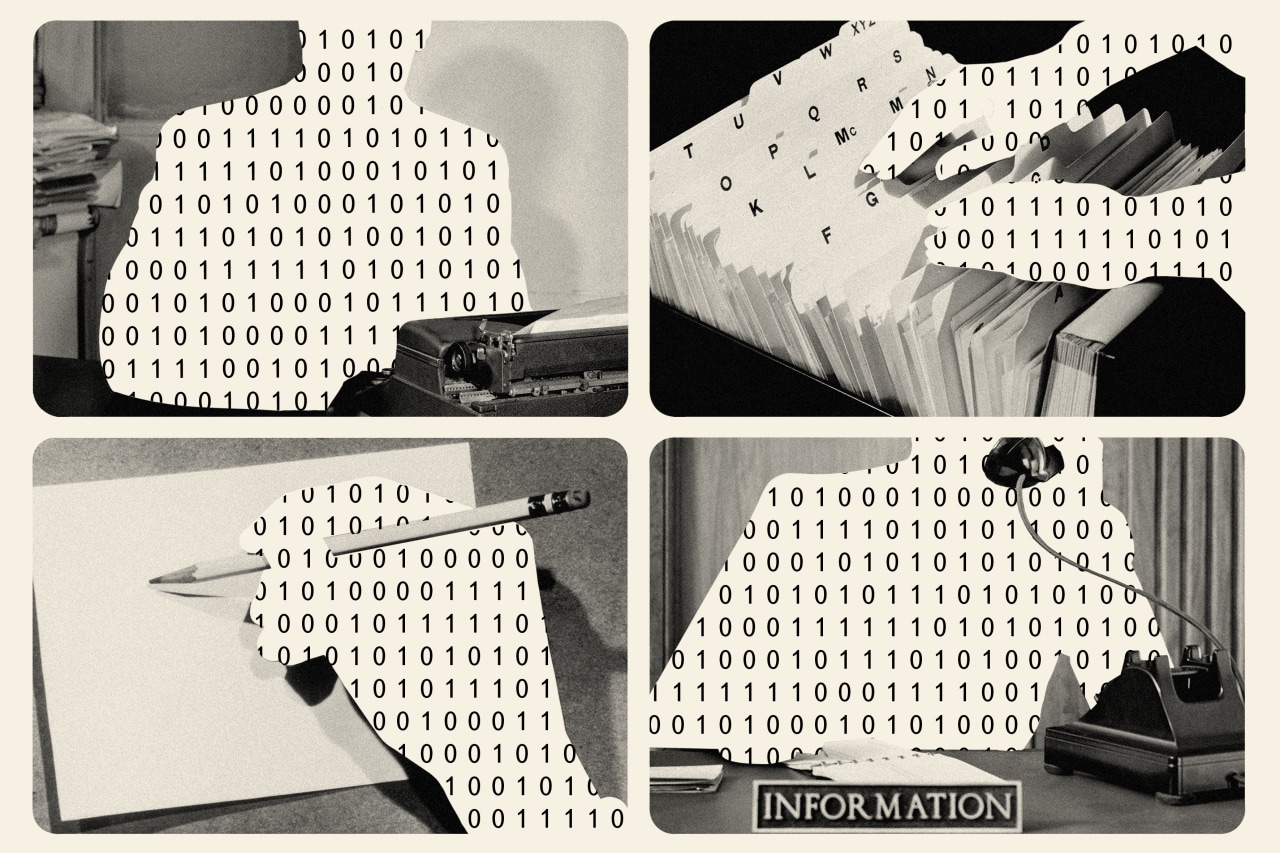
The AI Debate: A Misunderstood Reality
The discussion around artificial intelligence (AI) has often been dominated by extreme viewpoints—either it’s going to revolutionize the economy overnight or it’s going to cause massive job losses. However, this perspective is not entirely accurate. While AI is undeniably a transformative force, its impact on the economy is more nuanced and gradual than many suggest.
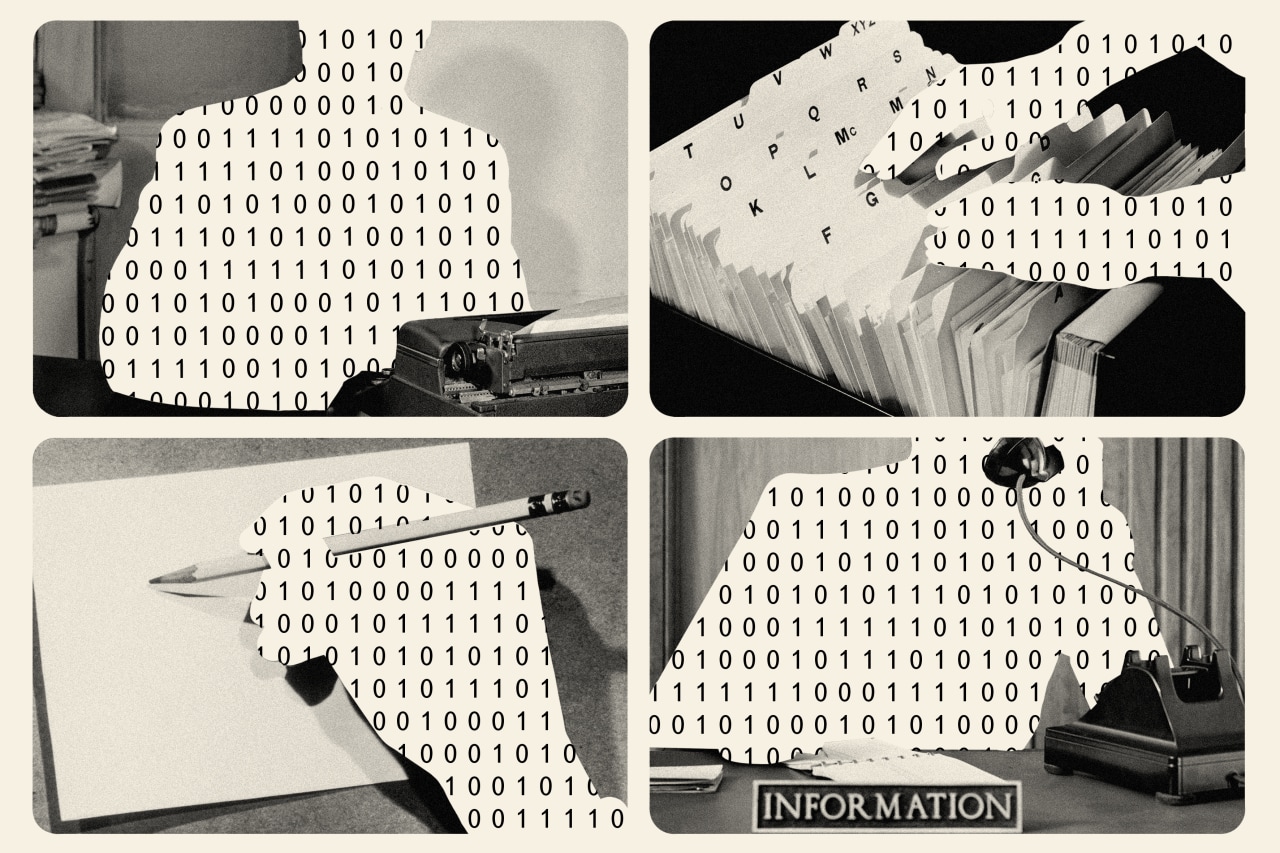
One of the most common misconceptions is that AI will lead to an immediate and widespread loss of jobs. This idea is similar to previous technological revolutions, where fears about automation were overblown. For example, in 1961, Time magazine published a headline titled “Business: The Automation Jobless,” which exaggerated the potential impact of automation on employment. These kinds of headlines have a tendency to create unnecessary panic, even though historical data shows that such fears are rarely realized.
Historical Context and Technological Change
Economic research indicates that while new technologies can disrupt entire industries, they do not typically lead to a permanent loss of jobs across the entire economy. Instead, these changes tend to reshape industries over time, creating new opportunities while phasing out others. The key takeaway is that AI is unlikely to cause a sudden, large-scale surge in unemployment.
However, this doesn’t mean that there are no risks associated with AI. The real challenge lies in how quickly workers can adapt to these changes. For instance, younger generations may find it difficult to secure their first white-collar jobs, as companies increasingly rely on AI systems that require specialized knowledge. Additionally, businesses might struggle to find qualified workers who can manage and oversee these complex AI systems.
The Workforce Challenge
To fully harness the benefits of AI, human expertise is still essential. Workers need to understand how to build, manage, and grow AI systems in alignment with company strategies. This requires a well-trained workforce, including managers who can guide the integration of AI into business operations.
Companies must be proactive in investing in their talent pipeline. This means not only training current employees but also developing future leaders who can navigate the challenges of an AI-driven economy. Those that prioritize workforce development will likely see greater long-term rewards.
The Role of Policymakers
For policymakers, the situation is more complex. While the Federal Reserve can influence economic growth through interest rates, there is limited control over how AI affects the labor market. Positive productivity shocks from AI could theoretically help reduce inflation, making the Fed’s job easier. However, this scenario is optimistic at best.
Recent modeling by economists suggests that the neutral interest rate has been rising, with estimates placing it just over 3.75%. While this could provide some relief, it’s important to note that the Fed cannot control how AI spreads throughout the economy or the distributional impacts of AI-related job losses. Their role is largely to maintain stability and hope for the best.
Looking Ahead
In conclusion, the AI debate is often framed in extremes, but the reality is more balanced. While AI will disrupt certain sectors and create new challenges, it is unlikely to cause a sudden, widespread economic catastrophe. The focus should be on preparing the workforce for these changes and ensuring that the benefits of AI are widely shared.
As we move forward, it’s crucial to approach AI with a clear understanding of its potential and limitations. By doing so, we can better navigate the complexities of this technological shift and ensure that it serves the broader interests of society.