
CNBC Daily Open: Is the Strait of Hormuz on the Brink of Reopening?
Trump’s Comments on Oil and Stock Market Reactions
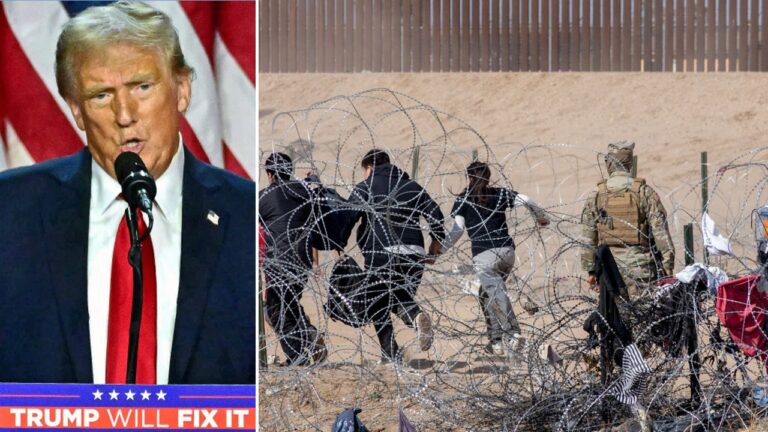
President Donald Trump has made several statements regarding the economic impacts of the ongoing conflict in Iran. He mentioned that the reactions from the oil and stock markets to the situation were not as severe as he had anticipated. This observation came during a Cabinet meeting on Thursday, where Trump expressed his belief that both the oil prices and the stock market would soon return to more stable conditions.
However, it seems that many global market participants do not share Trump’s optimism. The U.S. stock indexes continued to fall on Thursday, influenced by rising oil prices and uncertainty surrounding the developments linked to the Iran war. The situation remains tense, with traders closely monitoring the evolving circumstances.
Extension of the Pause on Attacks and Warnings
In response to the ongoing tensions, Trump extended the pause on potential U.S. attacks on Iran’s energy facilities until April 6. Despite this extension, he issued a strong warning to Iranian negotiators, urging them to “get serious soon, before it is too late.” Trump emphasized that once certain actions are taken, there will be no turning back, and the consequences could be significant.
The president also described Iranian negotiators as “very different” and “strange,” claiming they were “begging” the U.S. to reach a deal to end the four-week-long conflict. Trump previously warned that the U.S. would target Iranian energy facilities unless they allowed the vital Strait of Hormuz to remain open. He stated that Iran had permitted 10 oil tankers to pass through the strait this week as a “present” and a sign of good faith to the United States. However, Tehran has not publicly addressed this claim.
Developments in the Strait of Hormuz
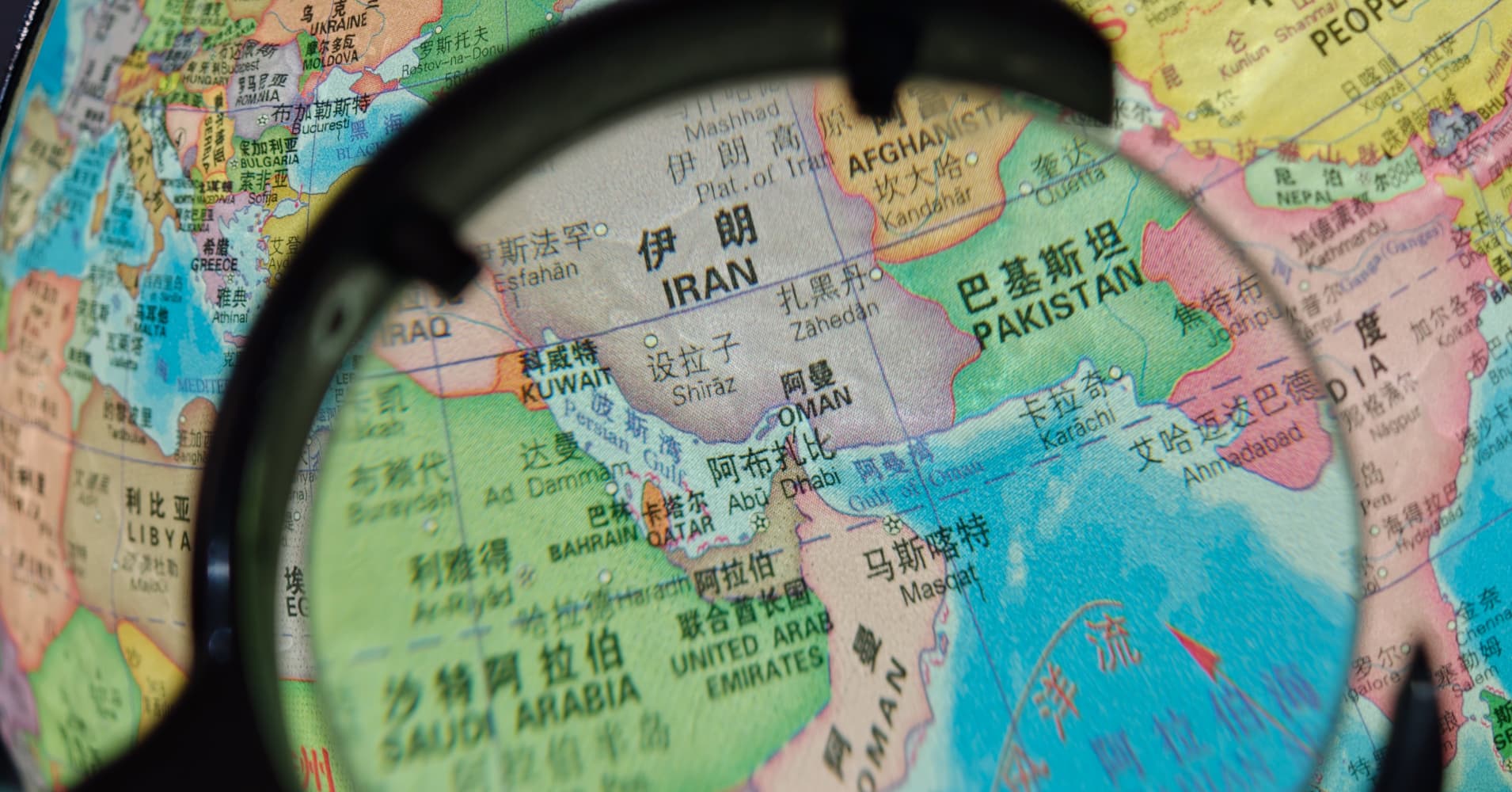
Iran is reportedly preparing legislation that would impose tolls on ships passing through the Strait of Hormuz, according to Iranian state-aligned media. This development could further complicate the already delicate situation in the region. Meanwhile, Israel’s military claimed responsibility for the killing of Iranian naval commander Alireza Tangsiri in a strike, accusing him of being involved in efforts to close the strategically important waterway.
Despite some signs that limited shipping traffic is continuing through the strait, markets remain anxious about the implications of a prolonged conflict on the global economy. European members of the G7 have warned that the war is having a catastrophic impact on the global economy, especially ahead of a key summit on Thursday.
Impact on Retail and Consumer Prices
The concerns over the conflict are beginning to affect the consumer level. More retail firms are issuing warnings about potential price hikes if the conflict continues for an extended period. Higher shipping and energy costs are expected to influence supply chains, leading to increased expenses for consumers.
Economic Outlook and Global Impacts
The Organization for Economic Cooperation and Development (OECD) has highlighted the far-reaching effects of the Iran war, stating that no major economy will be spared. However, the UK is predicted to face the most significant economic challenges among developed nations. In its latest economic report, the OECD revised its growth and inflation forecasts made in December, showing a steep decline in the UK’s outlook.
The organization now predicts that UK inflation will reach 4% this year, up 1.5 percentage points from its previous forecast. For 2026, the OECD expects UK growth to stagnate at 0.5%, down 0.5 percentage points from its last review. These revisions underscore the growing concerns about the long-term economic repercussions of the ongoing conflict.