

Ether’s 3 Indicators to Break $2.4K Rally
Ether’s Struggles Amid Market Volatility and Regulatory Uncertainty
Ether (ETH) has faced a challenging period in the cryptocurrency market, with a notable 6% correction between Wednesday and Thursday. This decline saw the price retesting the $2,050 level, reflecting a broader risk-off environment driven by global uncertainties, particularly the ongoing tensions between the United States, Israel, and Iran. As the crypto market continues to grapple with these external pressures, investors are closely watching for signs of a sustained rally above the $2,400 threshold.

A Significant Drop in Value
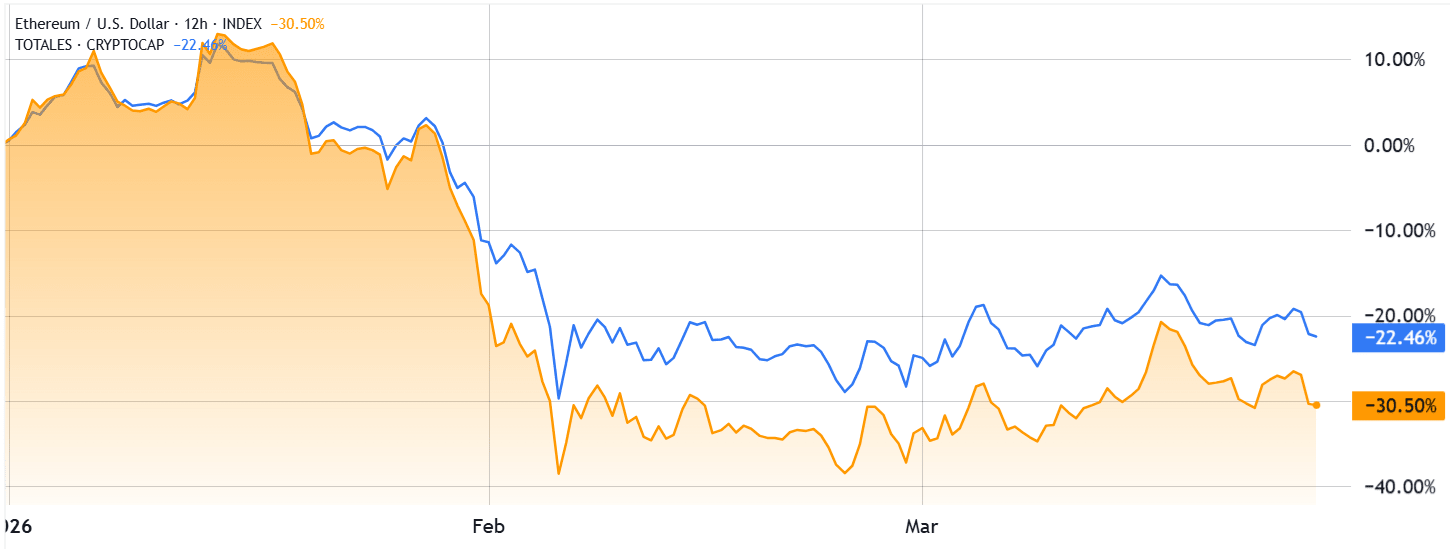
Since the beginning of 2026, Ether has experienced a substantial 31% drop in value. This decline can be attributed to several factors, including a decrease in decentralized application (DApp) activity and a general sense of caution among cryptocurrency investors. The lack of regulatory progress in the United States has further exacerbated this situation, especially after the Trump administration initially raised hopes for a more crypto-friendly regulatory landscape.

Pressure from ETF Outflows and Onchain Activity
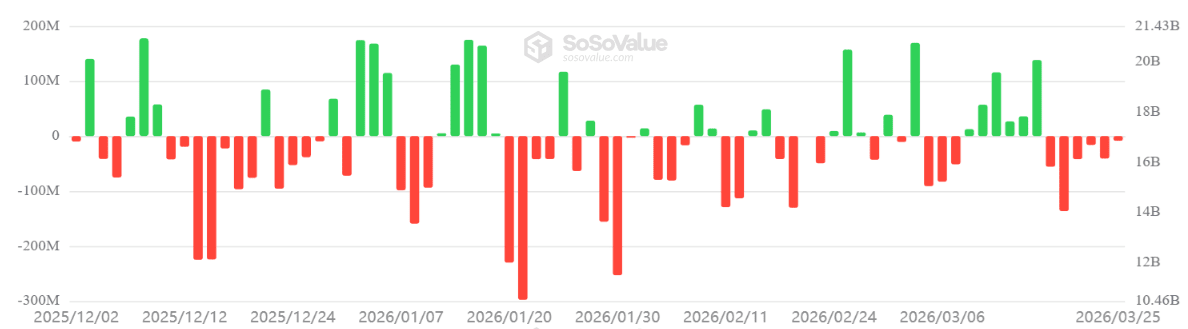
The Ethereum market is also under pressure due to outflows from US-listed spot Ether ETFs. Since March 18, these ETFs have recorded net outflows of $298 million, marking six consecutive days of redemptions. While these flows may not be a perfect indicator of institutional demand, they highlight the ongoing concerns among investors. Despite a 2.8% native staking yield, investor risk perception has remained largely unchanged.

Declining Decentralized Exchange Activity
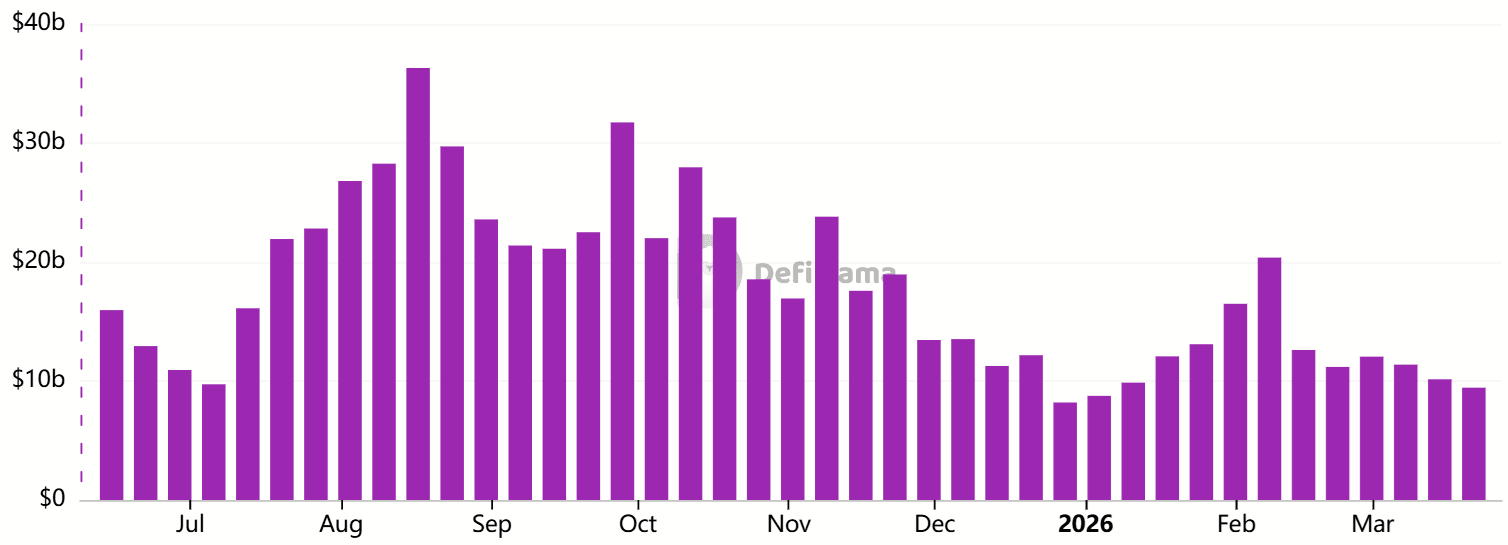
Another major concern for Ether is the declining activity on Ethereum decentralized exchanges. The current weekly average of $9.4 billion in trading volume is approximately 50% lower than the levels seen in the final three months of 2025. If this trend continues, it could significantly hinder Ether’s ability to maintain levels above $2,400.

Futures Market Indicators
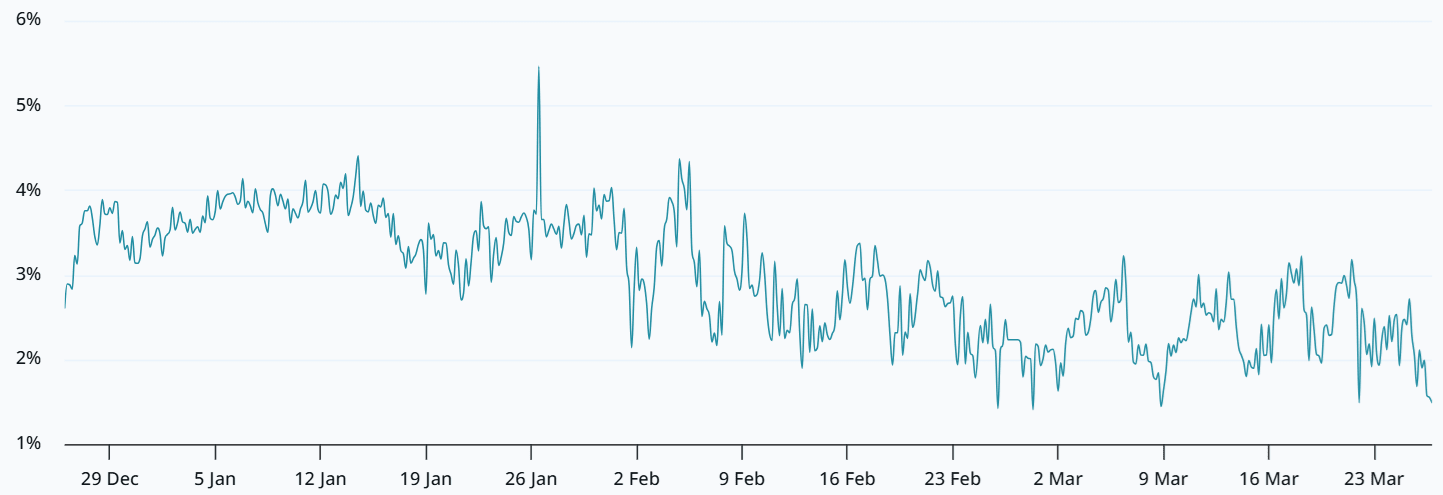
The monthly futures market for Ether has shown a 2% premium relative to regular spot markets on Thursday, indicating a lack of demand for bullish leverage. Under normal conditions, this metric should fall between 4% and 8% to account for the longer settlement period. Until this metric returns to a neutral range, ETH bears are likely to remain confident in their positions.
Regulatory Challenges and Global Concerns
In addition to market-related challenges, regulatory issues continue to impact the Ethereum ecosystem. The US Senate is considering a ban on yield for stablecoins held on exchanges, which has raised concerns among traders. While Coinbase is actively opposing this move, the proposal adds another layer of uncertainty to an already volatile market. Banking groups argue that the GENIUS Act already prevents stablecoin issuers from offering yields directly to holders, suggesting that using exchanges as intermediaries is merely a loophole.
A recent report from the Financial Action Task Force (FATF) has also called for tighter oversight of stablecoins as they become increasingly common in payments and cross-border transfers through self-custody wallets. The FATF highlighted the challenges posed by peer-to-peer transactions, which make it harder for authorities to detect suspicious financial activities.
Looking Ahead
While socio-economic events such as the US-Israel-Iran conflict have contributed to the overall weakness in the stock market over the past two months, they have also played a role in Ether’s inability to reclaim the $2,400 level. For sustainable bullish momentum, there needs to be an improvement in Ethereum decentralized exchange activity and stronger conviction from institutional investors.
The accumulation of Ether by large companies such as BitMine, SharpLink, and The Ether Machine could serve as a catalyst for ETH to outperform the broader cryptocurrency market when favorable conditions return. However, for now, the price of Ether remains under pressure, with no clear indication of a significant rebound in the near term.