

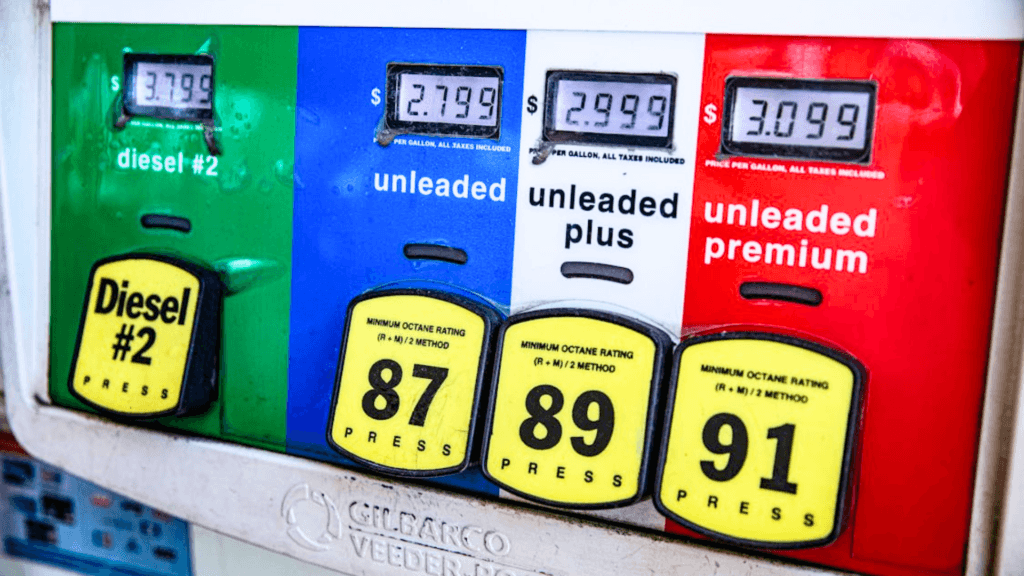
New plan may lower gas costs for millions of drivers
A new proposal in the United States could offer much-needed relief to millions of drivers as fuel costs continue to fluctuate. Lawmakers have introduced a plan aimed at lowering prices at the pump by targeting one of the most visible components of gasoline costs: federal taxes. The proposal comes at a time when rising fuel prices are adding pressure to household budgets already stretched by inflation.
The plan focuses on temporarily suspending the federal gas tax, which currently adds 18.4 cents per gallon. Supporters argue that removing this cost, even for a limited period, could quickly reduce what drivers pay and ease the burden of higher transportation expenses.
With gas prices climbing due to global instability and supply concerns, the proposal is being positioned as a fast-acting solution to deliver direct financial relief to consumers across the country.
How the Proposal Would Lower Gas Prices
The proposed legislation, known as the Gas Prices Relief Act of 2026, would suspend the federal gasoline tax through a set period, allowing drivers to benefit from immediate savings at the pump. Lawmakers behind the bill say this move could translate into noticeable price drops for everyday consumers.
In addition to the tax suspension, the proposal includes safeguards designed to ensure oil and gas companies actually pass the savings on to drivers. Without such measures, critics warn that companies could absorb the benefits instead of lowering prices for consumers.
The plan also accounts for infrastructure funding, which is typically supported by the gas tax. Provisions are included to maintain funding for roads, bridges, and environmental programs, addressing concerns that cutting the tax could negatively impact long-term projects.
Why Gas Prices Are Rising in the First Place
The push for relief comes as gas prices have surged in response to global events, including geopolitical tensions that have disrupted energy markets. These developments have tightened supply expectations and driven up oil prices, which directly affect what consumers pay for gasoline.
Recent data shows that gas prices have risen sharply in a short period, with significant increases reported nationwide. This rapid spike has intensified calls for government action to shield consumers from sudden cost increases.
Lawmakers argue that without intervention, continued volatility in global energy markets could keep prices elevated, making it harder for families and businesses to manage transportation costs in the months ahead.
What Happens Next for the Proposal
The proposal has been introduced in Congress and will now go through the legislative process, where it will be reviewed, debated, and potentially revised. Its future will depend on political support and broader economic conditions, including how fuel prices evolve in the coming weeks.
Supporters believe the measure could gain traction as lawmakers face increasing pressure from constituents dealing with high living costs. However, opponents may raise concerns about lost tax revenue and whether the savings will truly reach consumers.
If approved, the plan could provide temporary but meaningful relief for millions of drivers. Still, experts note that long-term solutions to fuel price volatility will likely require broader changes in energy policy and global supply stability.