U.S. Jobs Data Offers Glimpse into War-Stricken Markets
U.S. Economic Outlook Amid Geopolitical Tensions
As the U.S. economy faces a complex mix of challenges, investors are closely monitoring key economic indicators and geopolitical developments. The upcoming employment report is expected to be a major focus, as it will provide insights into the health of the labor market. This comes against the backdrop of ongoing tensions in the Middle East, which have significantly impacted energy prices and consumer spending.
Impact of the Iran Conflict on Energy Prices
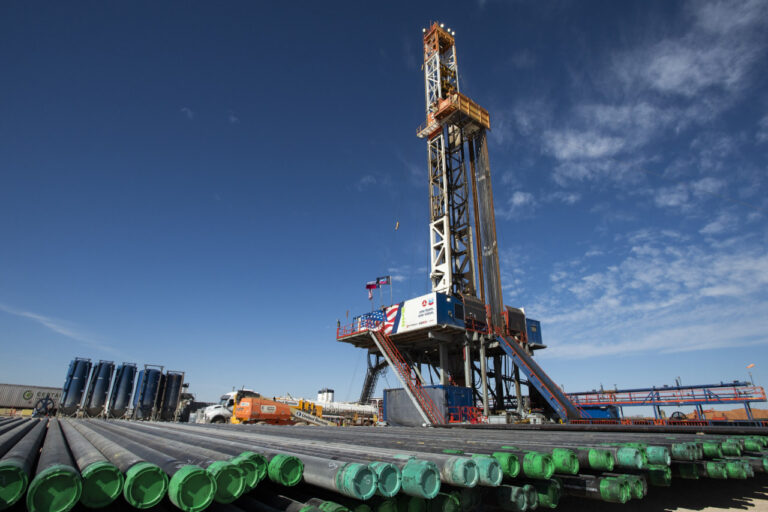
The conflict in the Middle East has led to a substantial disruption in oil supplies, causing U.S. crude prices to rise over 60% year-to-date, reaching nearly $100 per barrel. This surge has directly affected gasoline prices, which have climbed to $4 per gallon. Such increases can lead to reduced consumer spending, potentially affecting overall economic growth.
Inflation concerns have also intensified, leading to higher yields on benchmark Treasury bonds. These rising yields could put pressure on equity valuations, as investors reassess the risk associated with different asset classes.
Market Volatility and Investor Sentiment
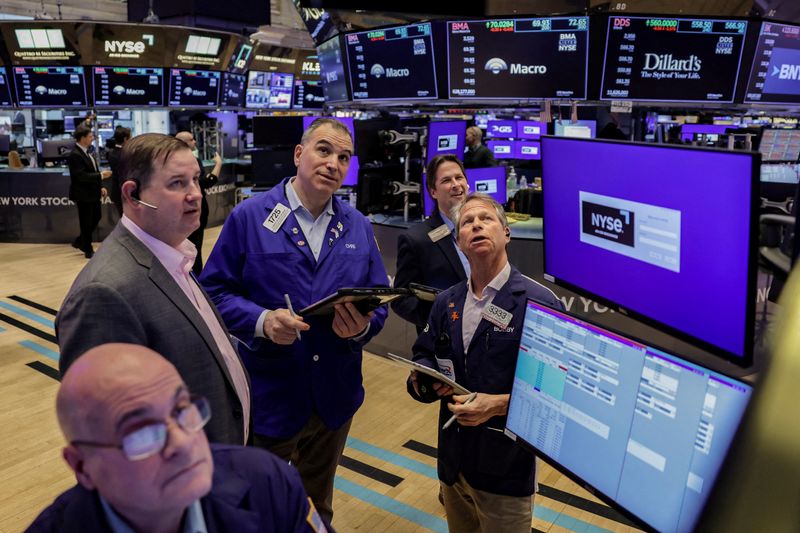
Recent weeks have seen significant volatility in the stock market, with the S&P 500 experiencing its fifth consecutive weekly decline. The Nasdaq Composite has also suffered, dropping more than 10% from its October high, indicating a correction. Analysts suggest that investor sentiment remains fragile, influenced by the ongoing conflict in the Middle East and other macroeconomic factors.
Jim Baird, chief investment officer at Plante Moran Financial Advisors, notes that any positive developments regarding the Iran conflict could boost investor confidence. Conversely, prolonged tensions could negatively impact market performance.
The First Quarter of 2026: A Challenging Period
The first quarter of 2026 has been particularly challenging for U.S. equities. In addition to the Iran conflict, concerns about disruptions caused by artificial intelligence and weaknesses in the private credit market have contributed to market instability. The S&P 500 has declined more than 5% so far this year, marking a departure from the strong gains seen in the previous three years.
James Ragan, co-CIO and director of investment management research at D.A. Davidson, highlights the uncertainty surrounding the market. As the quarter draws to a close, he anticipates continued volatility and cautious sentiment among investors.
The Upcoming Jobs Report
The March payrolls report is anticipated to show an estimated increase of 48,000 jobs, with an unemployment rate of 4.5%. This data, due on April 3, will be closely watched by investors. The prior February report was unexpectedly weak, showing a decline of 92,000 jobs. Given the recent trend of negative job growth, any positive number could provide a much-needed boost to market sentiment.
In addition to the jobs report, retail sales data for February and reports on manufacturing and services activity will also be released next week. These indicators will offer further insights into the state of the economy.
Interest Rates and Inflation Concerns
Worries about a deteriorating labor market prompted the Federal Reserve to cut interest rates last year. However, the central bank may face a difficult decision if employment concerns intensify. With inflation already above the Fed’s target, surging energy prices pose a challenge to further rate cuts.
Markets are now factoring in no additional rate cuts for this year, with fed funds futures suggesting a modest chance of a hike in 2026. This shift in expectations underscores the evolving landscape of monetary policy.
Rising Yields and Equity Valuations
The benchmark 10-year Treasury yield has risen to 4.4%, up from around 4% before the war began. This increase has significant implications for various sectors, including mortgages, government debt sustainability, and equity valuations.
David Bianco, Americas chief investment officer at DWS, emphasizes the importance of these rising yields. He notes that they affect many aspects of the financial system, including what constitutes a fair price-to-earnings valuation for stocks.
Corporate Profits and Market Valuation
Investors are keenly interested in understanding the implications of the war and rising energy prices on corporate profits. Companies such as Delta Air Lines and FedEx have recently reported results that have encouraged investors. Nike will release its quarterly results on Tuesday, with the bulk of first-quarter earnings reports expected in the coming weeks.
Bianco believes that the U.S. economy remains a safe distance from recession, despite the challenges posed by rising oil prices. While the odds of a recession may increase, he maintains that a recession is not likely at this time.
Overall, the current economic environment is marked by uncertainty and volatility, with investors navigating a complex landscape shaped by both domestic and international factors.