
Global Food Supply in Peril as Hormuz Blockade Threatens Crisis
The Global Food Supply Chain at Risk
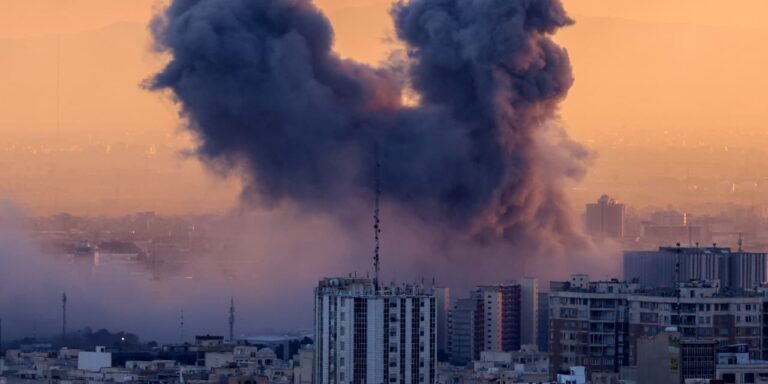
Iran’s blockade of the Strait of Hormuz poses a serious threat to the global food supply, potentially leading to higher grocery prices and increased food insecurity in vulnerable nations. While much attention has been focused on the impact of this blockade on oil prices, its effects on downstream industries such as fertilizer production are equally, if not more, concerning.
A History of Fertilizer Investment in the Gulf
Since the 1960s, Gulf countries have made significant investments in their fertilizer industries as part of broader economic diversification efforts. These investments leveraged the region’s natural resources and attracted foreign fertilizer companies to Dubai, UAE. The city became a hub for these companies due to its low tax environment, strategic geographic location, and efficient air and sea transport networks.
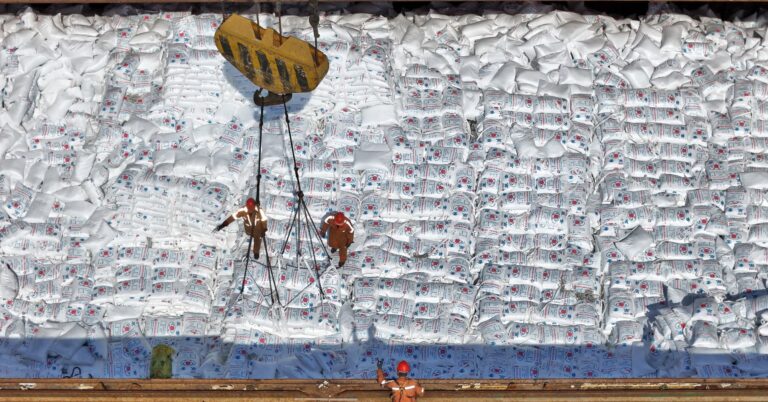
This investment paid off, with the Gulf becoming a critical player in the global fertilizer market by 2026. Three of the top ten global urea exporters—used widely in agriculture—are based in the Persian Gulf. Additionally, one-third of internationally traded fertilizers and approximately 45% of sulphur exports, a key ingredient in phosphate fertilizers, pass through the Strait of Hormuz.
Disruption of Global Trade
Iran’s blockade has effectively halted most of these exports, and the timing is particularly dire, coinciding with planting season in many parts of the world. This disruption affects not only the Gulf’s own fertilizer exports but also the vast global supply chain that relies on them.
India, a major fertilizer producer, has already had to scale back its production due to fuel shortages linked to the ongoing conflict. New Delhi has ordered fertilizer plants to operate at only 70% capacity to manage the shortage.
Wider Impacts on Agriculture
The consequences of the blockade extend beyond fertilizer. The rising costs of oil and gas will also significantly affect the agricultural sector. Thomas Duesterberg, a senior fellow at the Hudson Institute, explained that the agricultural industry heavily depends on oil for diesel and gasoline, which power machinery used in crop production and transportation.
Countries Most Affected
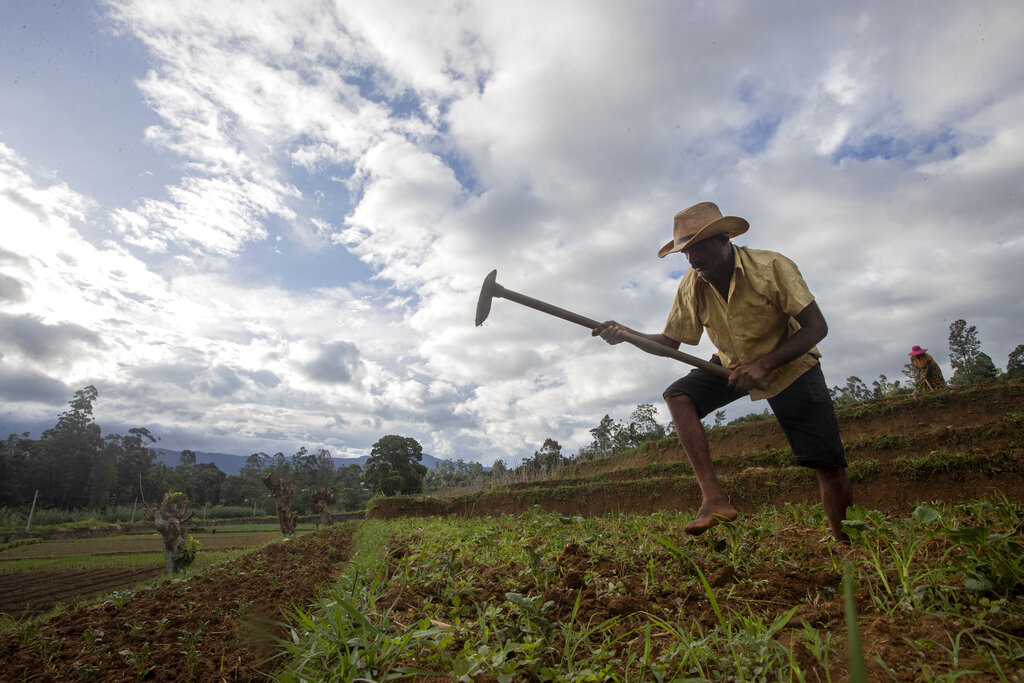
The worst-affected countries are likely to be those in South Asia, which do not have the large grain stockpiles seen in the U.S. and China. According to Máximo Torero, Chief Economist of the Food and Agriculture Organization of the United Nations, countries such as Sri Lanka, Bangladesh, India, Egypt, Sudan, Somalia, Kenya, Tanzania, and Mozambique are at particular risk.
Major exporters like Brazil may also face challenges, potentially reducing production and affecting global markets. However, the true extent of the crisis depends on how long the blockade lasts.
Uncertain Outlook
Duesterberg cautioned against making catastrophic predictions, noting that the situation is still evolving. “It’s too early to say whether this could trigger famine conditions,” he said. “There don’t seem to be below normal stockpiles around the world for grains, which is the major problem.”
He added that it would take some time to see if the situation escalates and whether it could surpass the scale of the 2022 crisis, when the closure of Ukraine’s ports led to fears of mass starvation in wheat-import-reliant developing countries.
Long-Term Consequences
Even a temporary spike in fertilizer prices can have lasting effects on global food production. Alvaro Lario, president of the U.N.’s International Fund for Agricultural Development, warned that a sudden decline in fertilizer supply could force farmers in developing countries to switch to lower-yielding crops, a change that is difficult to reverse.
This shift could drive up prices globally, pushing impoverished nations into food insecurity. Duesterberg emphasized that while famine conditions are still far off, the hundreds of millions of people in affected countries searching for alternative food sources will likely lead to higher global food prices, including in the U.S.
Impact on the U.S. and Beyond
Although fertilizer costs have risen in the U.S., the impact on American farmers is expected to be less severe. Agriculture Secretary Brooke Rollins noted that 80% of U.S. farmers had already purchased their fertilizer in preparation for the spring planting season.
However, the greater threat to U.S. farmers and consumers lies in the rising costs of oil and gas. U.S. farming, being highly mechanized, is particularly vulnerable to these price increases.