
McDonald’s Customers Angry as Dystopian Stores Spread Nationwide
The New Reality at McDonald’s: Automation and Customer Experience
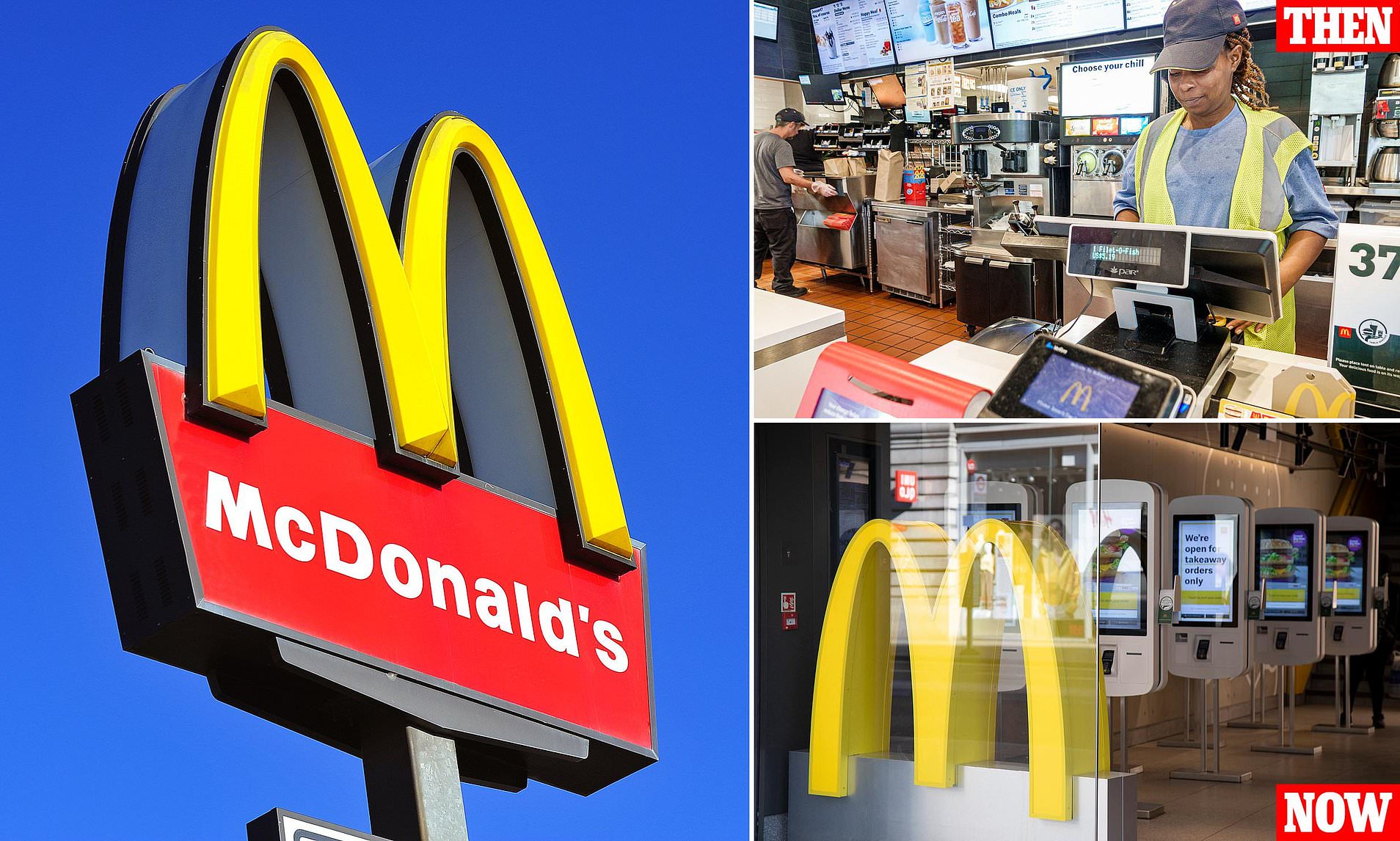
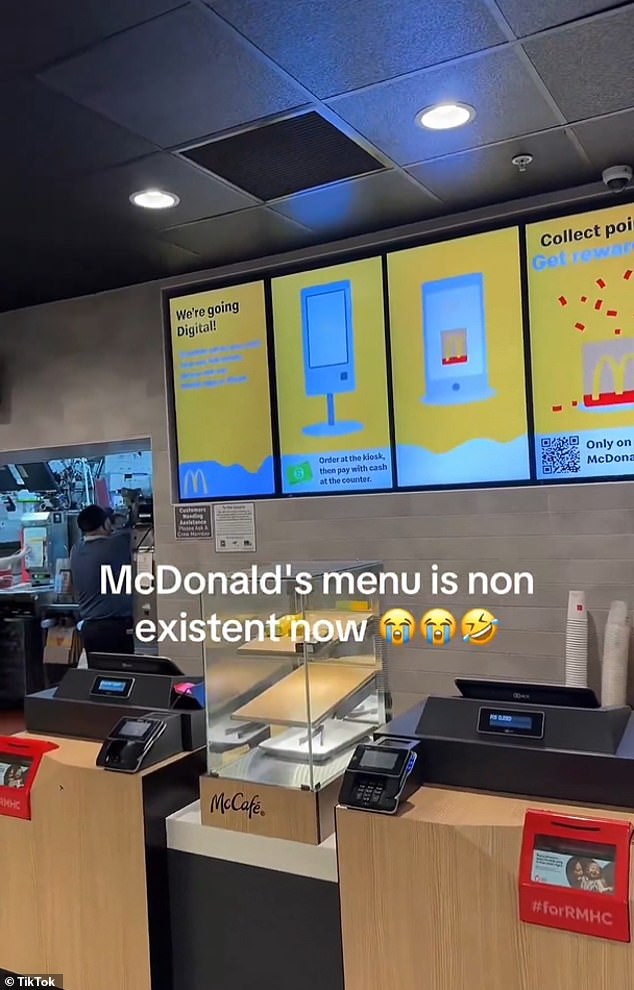
Customers walking into a California McDonald’s are now encountering a different kind of fast food experience. In some locations, traditional menu boards have been replaced with self-service kiosks, and in certain cases, there are no cashiers at all. This shift has sparked both curiosity and concern among diners.
A viral video captured the transformation at a Sacramento location, where the absence of visible menu boards led customers to use kiosks to place their orders. The clip, shared widely on platforms like TikTok and X, quickly drew attention and criticism from users who felt that McDonald’s was moving away from human interaction in favor of automation.
One user commented, “They’re making you the cashier now,” drawing a comparison to other retail chains like Walmart, which have also implemented self-checkout systems. The sentiment reflects a growing unease about the role of technology in everyday services.
McDonald’s responded to these concerns by stating that the setup seen in the video is not representative of its typical operations across the United States. The company reiterated that most locations still offer traditional ordering methods, including in-store service, drive-thru lanes, and digital platforms. However, the Sacramento location’s approach has reignited discussions about the impact of automation on the fast food industry.
This change comes at a time when minimum wage laws in California have significantly increased. Governor Gavin Newsom raised the minimum fast food wage to $20 an hour in April 2024, leading to reports of multiple chains reducing their workforce by over 10,000 positions. For restaurant owners, the rising labor costs have forced them to seek alternatives, often turning to technology to reduce reliance on human workers.
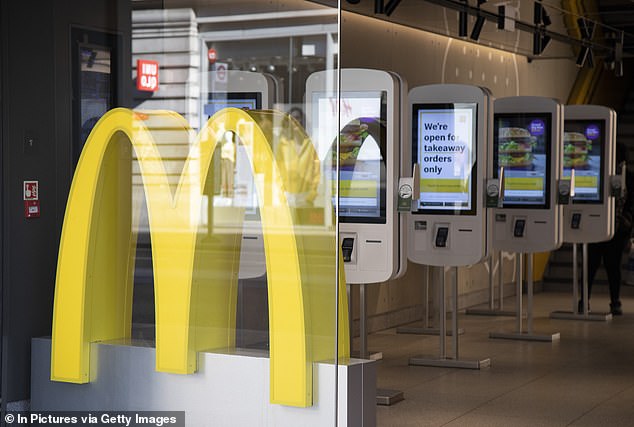


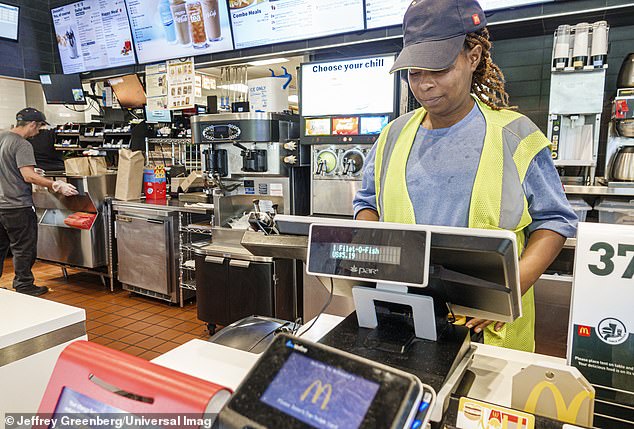
For customers, this shift can mean higher prices and more responsibility. Instead of relying on employees to handle tasks like taking orders or preparing meals, customers are increasingly expected to perform these actions themselves. McDonald’s has acknowledged this trend, announcing in March 2025 that it would overhaul 43,000 restaurants with AI-powered upgrades. These changes include internet-connected kitchen equipment, AI-enabled drive-throughs, and tools for managers to improve order accuracy.
However, critics argue that these technological advancements come at a cost. They suggest that companies are prioritizing efficiency over customer experience, leading to a situation where customers pay more while doing more work. Ravi Sawhney, founder of RKS Design, highlighted this issue, noting that the value exchange between customers and businesses is changing.
“Customers are doing more of the work while paying more,” he said. “People feel that immediately, even if they don’t say it out loud.”
Sawhney also pointed out that convenience can turn into a burden when customers are expected to take on responsibilities that were once handled by employees. He emphasized that while automation can speed up processes, it doesn’t always enhance the overall experience.
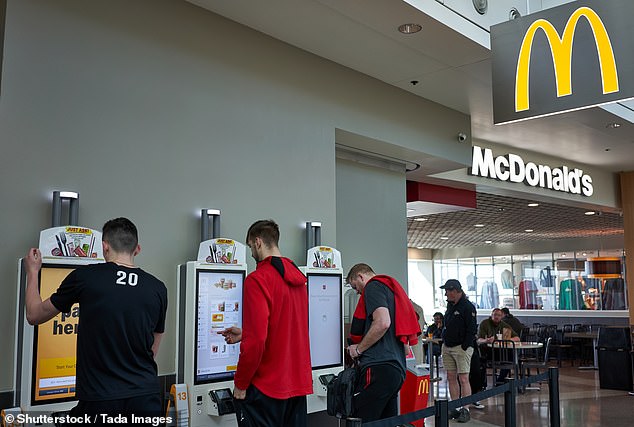


He added that when everything becomes a prompt, the experience can start to feel cold, even if it’s technically faster. “McDonald’s built its brand on consistency and familiarity. The question now is whether automation strengthens that feeling or quietly erodes it over time.”
Despite these concerns, McDonald’s has not yet provided a detailed response to these criticisms. As the fast food industry continues to evolve, the balance between automation and customer satisfaction remains a critical challenge. Customers are increasingly aware of the trade-offs involved, and their expectations for value and experience will play a key role in shaping the future of the industry.