13 Reasons Americans Stop Tipping in 2026
The Rise of the Tip Screen and the Growing Discontent
I used to be a great tipper. Twenty percent, minimum, without blinking. Whether it was a sit-down restaurant, pizza delivery, or hotel housekeeping, I tipped cheerfully and well. Then one day, I found myself at a self-serve frozen yogurt counter, putting my own yogurt into my own cup, adding my own toppings, carrying it to my own table, and the payment screen rotated toward me with three tip options starting at 18%, going up to 30%. I stood there for a long moment. I looked at the screen. I looked at the yogurt. I looked back at the screen. Something broke inside me that day. And based on what I’m hearing from just about everyone I know, I’m not alone.
The iPad Tip Screen Has Gotten Completely Out of Hand
The rotating tip screen — that moment when the payment tablet gets turned toward you with suggested tip amounts and a “No Tip” button designed to make you feel like a monster — has spread to places that have absolutely no business asking for a tip. Coffee counters where someone pressed a button. Bottle shops where someone handed you a bag. Candle stores. Parking kiosks. A tip prompt at a self-serve beer tap at a stadium, which is a thing that actually exists.
Consumer sentiment surveys consistently show that the majority of Americans now feel tipping is expected in too many situations, and the iPad screen is the single most cited culprit.
The Suggested Percentages Keep Creeping Up
Remember when 15% was a solid tip, 18% was generous, and 20% was for exceptional service? Those days are gone. The new normal on most tip screens starts at 18%, runs through 20% and 25%, and occasionally throws in a 30% option just to reset your expectations of what “normal” looks like. This is not accidental. It is a design choice, and the hospitality industry and point-of-sale software companies both know exactly what they are doing when they set those default numbers.
Tipping at Counter Service Makes No Sense to Most People
There is a fundamental social contract around tipping that most Americans instinctively understand: you tip for service, for someone who comes to you, takes your order, refills your drink, and takes care of you throughout a meal. Counter service is a different transaction. You walk up. You order. You get your food. You sit yourself down. You bus your own table. At what point in that interaction did a 20% tip become the expected outcome, and who exactly decided that without asking any of us?
The “No Tip” Button Is a Psychological Trap
The way tip screens are designed is not neutral. It is intentional. The “No Tip” or “Custom Amount” option is almost always smaller, grayed out, positioned at the bottom, or labeled in a way that implies moral failure. “No tip today” being a notable example, as if declining to tip for someone handing you a pre-made sandwich is a character flaw rather than a reasonable consumer decision. UX researchers and behavioral economists have documented extensively how point-of-sale systems are engineered to maximize tip selection through screen design, default settings, and strategic use of social pressure. It is a design dark pattern, and it works.
Nobody Knows What the Rules Are Anymore
Tipping used to have a logic to it, even if the percentages were debatable. Now the rules have dissolved entirely and everyone is operating on vibes and anxiety. Do you tip the person who hands you a drink at a hotel bar? The food truck? The food delivery app driver and also the restaurant? The barber? The tattoo artist? The person who does your eyelashes? There is no consensus, there is no guide, and the result is a low-grade social stress that follows Americans through a surprising number of daily transactions.
Delivery App Tips Are a Genuine Ethical Mess
Food delivery apps created a tipping situation that is uniquely confusing and, in some documented cases, actively deceptive. You tip before the food arrives, before you know if the order is correct, and before you know how long it actually took to arrive. In at least one high-profile case, DoorDash was found to be using customer tips to subsidize driver base pay rather than passing them through as additional income — a practice the FTC ultimately took action against. The idea that your tip might not be going where you think it’s going is the kind of thing that makes a person put their phone down and stare at the ceiling for a while.
Tipping Has Become a Subsidy for Employers Who Should Pay More
Here is the part that doesn’t get said loudly enough: tipping culture in America exists largely because the law allows employers to pay tipped workers a subminimum wage. The federal tipped minimum wage has been $2.13 per hour since 1991. That is not a typo. The Economic Policy Institute has documented extensively how the tipped wage system shifts the cost of compensating workers from employers onto customers. This means that every time you tip, you are partially doing a business owner’s payroll for them. That’s a structural problem a bigger tip will not fix.
Tip Fatigue Is Hitting People in the Wallet in a Real Way
This is not just an emotional complaint. It is a math problem. If you eat out three times a week, order delivery twice, grab coffee daily, and use a few other tipped services regularly, you are potentially spending hundreds of dollars a month in tips on top of prices that have already risen significantly across the board. For households already stretched by inflation, that cumulative tip burden is a real line item that people are finally starting to add up and react to.
The Guilt Trip Is Real and It’s Being Weaponized
There is a reason the person behind the counter makes eye contact with you while the tip screen is facing you. That moment — the pause, the eye contact, the waiting — is a social pressure situation that most people find genuinely uncomfortable, and businesses know it. Tipping under observation is not a free choice in any meaningful psychological sense. It is a coercion wrapped in politeness, and the fact that it has been industrialized and deployed at scale across American retail and food service is something worth naming out loud.
Tipping Before You Receive Any Service Is Backwards
The original logic of tipping was that it rewarded good service after the fact. You had a great experience, you showed your appreciation, the server felt valued. That made sense. Pre-tipping at the point of order — before a single thing has been made, delivered, or done for you — inverts that logic entirely. You are now being asked to express gratitude for something that hasn’t happened yet, to a stranger, in public, under time pressure, while a line forms behind you. That is not tipping. That is just paying more with extra steps.
Automatic Gratuities Are Being Added Without Clear Disclosure
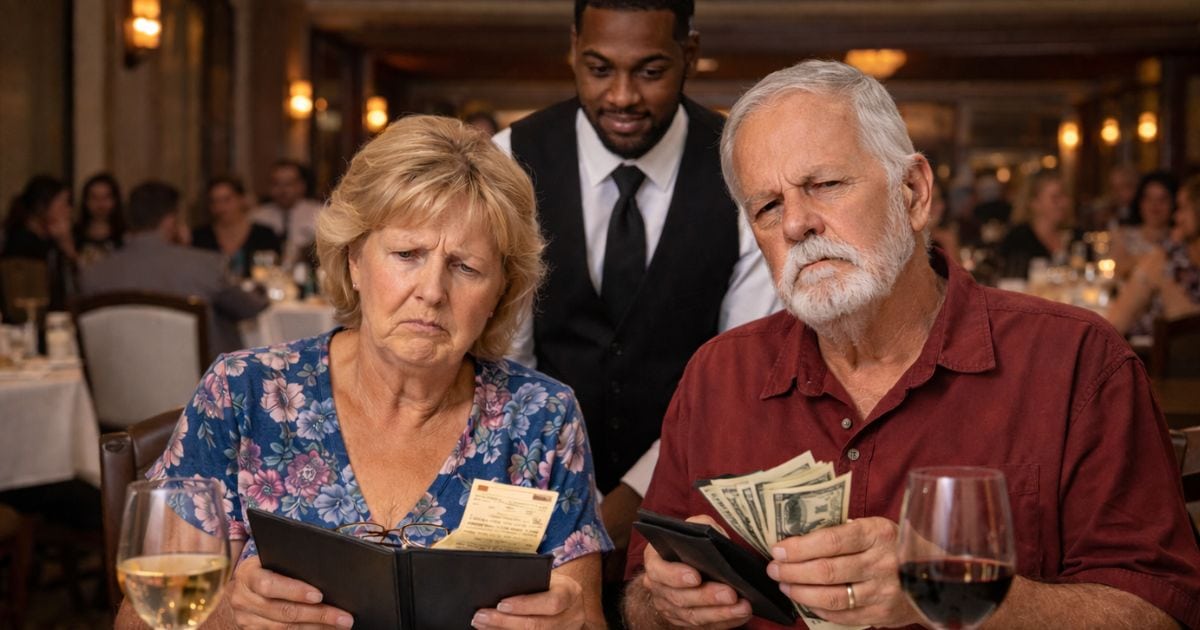
An increasing number of restaurants are adding automatic service charges. These are sometimes labeled “service fee,” sometimes “kitchen appreciation,” sometimes just buried in the itemized bill — that are not the same as a tip and do not necessarily go to the servers. Many diners don’t notice these charges until they’re home reviewing their credit card statement. The lack of standardized disclosure around what these fees are, where they go, and whether tipping on top of them is expected has created a situation where a table of four can leave a restaurant having paid 35% (or more) above their food total without fully understanding how it happened.
Other Countries Have Figured Out That This System Is Weird
Americans who travel internationally and discover that tipping is either optional, minimal, or actively considered rude in many countries come home with a very different perspective on the whole arrangement. In Japan, tipping can be seen as offensive. In Australia, hospitality workers earn a living wage and tips are a pleasant surprise rather than a financial necessity. The fact that the US has built an entire compensation system for service workers around customer gratuities — and then exported that anxiety to every payment terminal in the country — is not a universal law of nature. It is a policy choice, and other developed nations have made different ones.
The System Is Broken and Everyone Knows It — Nobody Knows How to Fix It
This is the one that actually keeps people up at night, because the frustration with tipping culture runs directly into a genuine concern for the workers caught in the middle of it. The servers, the delivery drivers, the baristas — they didn’t design this system. They’re depending on it to pay rent while the employers and the platforms and the point-of-sale software companies collect their margins. Getting mad at the tip screen is legitimate. Taking it out on the worker is not. The villain in this story is a compensation structure that has outsourced the responsibility of paying workers to customers, normalized it over a century, and is now turbocharged by technology that makes opting out feel like a moral failing. Most Americans do know exactly who designed this trap, even if they can’t quite figure out how to escape it.