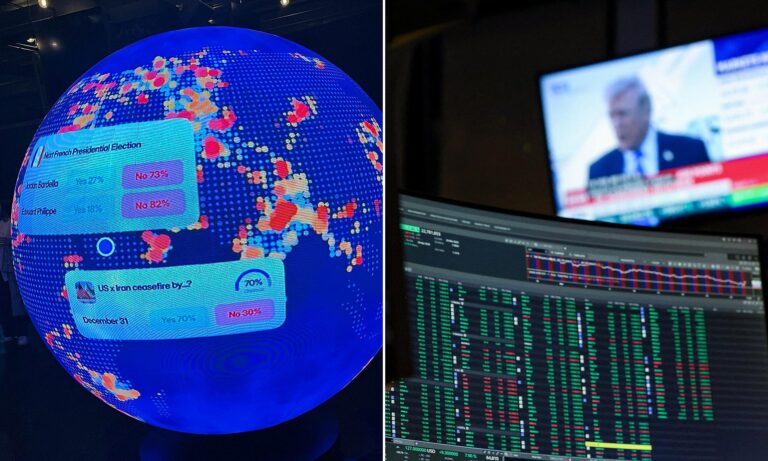

US gas prices surge to $4 per gallon amid Iran conflict disrupting global energy markets
Rising Gas Prices Signal Economic and Political Challenges
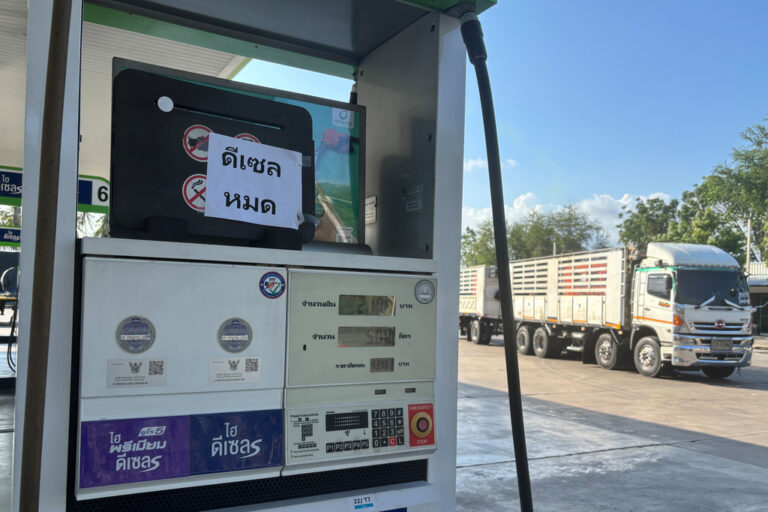
The U.S. national average retail price of gasoline has reached a significant milestone, crossing $4 per gallon for the first time in over three years. This development, reported by price tracking services like GasBuddy, highlights the ongoing impact of geopolitical tensions on global energy markets. The current situation is largely driven by the U.S.-Israeli conflict with Iran, which has disrupted trade routes and increased uncertainty in the oil sector.
This $4 per gallon threshold was last seen in August 2022, following Russia’s invasion of Ukraine. Analysts have noted that this level represents more than just a numerical benchmark—it serves as a psychological marker for consumers who are already feeling the strain of rising living costs. The surge in fuel prices comes amid broader inflationary pressures, with oil prices also climbing due to the closure of the Strait of Hormuz, a critical maritime passage.
Impact on Households and Political Landscape
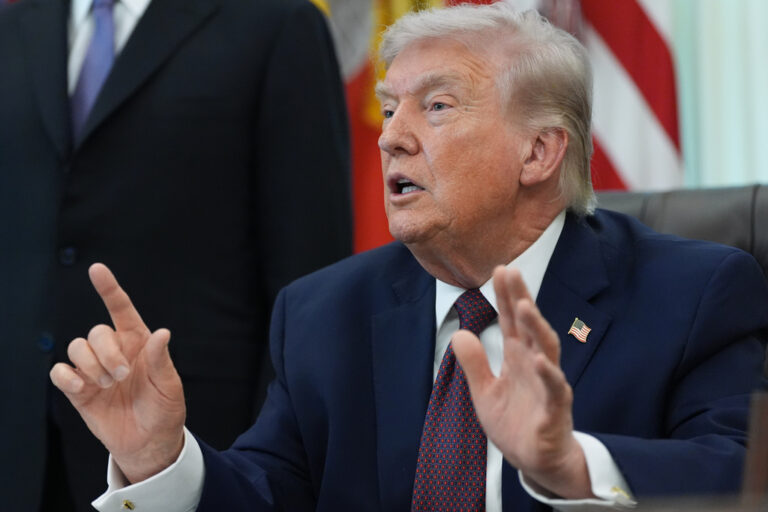
The increase in gas prices is beginning to affect U.S. household budgets, which were already under pressure from other rising costs. This issue has become a growing concern for President Donald Trump and his Republican Party, particularly as they prepare for the November midterm elections. Maintaining control of Congress is a top priority, but the current economic climate could complicate their efforts.
Trump had previously pledged to reduce energy costs and boost domestic oil and gas production. However, his second term has been marked by volatile market conditions, shifting policies, and ongoing geopolitical conflicts. The recent escalation in the Middle East has further complicated these efforts, leading to unpredictable fluctuations in energy prices.
Since the U.S. and Israel launched attacks against Iran at the end of February, the national average retail price of gasoline has risen by approximately $1.06 per gallon, or 36%. This sharp increase has led to concerns about its long-term effects on both the economy and consumer behavior.
Expert Perspectives on the Crisis
Raymond James analyst Pavel Molchanov offered insights into the current situation, noting that sudden outbreaks of conflict often lead to spikes in gasoline prices. He compared the current crisis to the Russian invasion of Ukraine in 2022, when oil prices surged globally and emergency stockpiles were utilized. However, Molchanov expects this crisis to be shorter-lived, predicting that prices may begin to stabilize in the coming weeks.
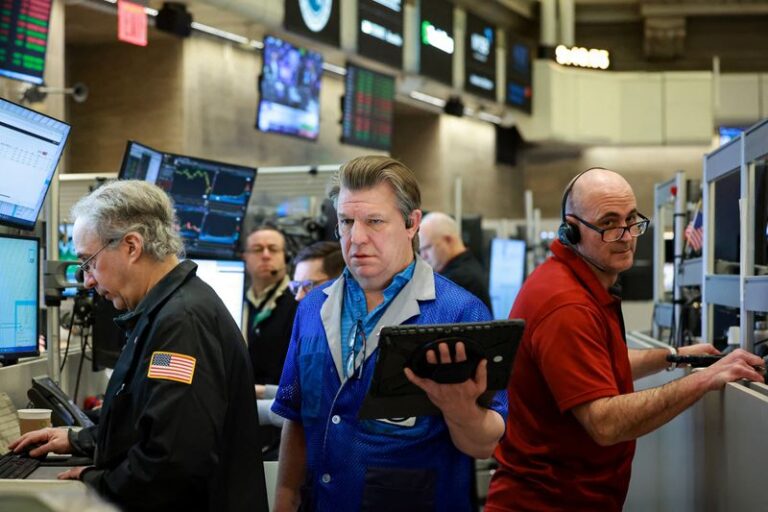
Despite this optimism, there remains a risk that pump prices could climb further if crude oil prices continue to rise. U.S. oil futures have surged since the war began, reaching $102.88 per barrel on Monday. This increase was partly fueled by reports of an attack on an oil tanker in Dubai, which sent prices soaring in Asian markets.
Government Measures and Their Effectiveness
In response to the rising energy costs, the Trump administration has taken several steps to mitigate the impact. One such measure is a 60-day waiver of the Jones Act shipping law, which allows foreign-flagged vessels to transport fuel and other goods between U.S. ports. While this policy is intended to ease supply chain pressures, industry insiders believe it will have only a minimal effect on reducing price increases.
Consumer Response and Broader Implications
High gasoline prices are already having a tangible impact on U.S. households. A recent poll conducted by Jendela Magazine and Ipsos found that 55% of respondents reported some degree of financial strain due to rising gas prices. Among those affected, 21% said the impact was “a great deal.”
Economist Jeremy Siegel from WisdomTree highlighted the psychological significance of gasoline prices, noting that they are one of the most visible indicators of economic health for consumers. While the broader economic effects may not be as severe as headlines suggest, the immediate impact on daily life is undeniable.
As the situation continues to evolve, the interplay between geopolitical events, market dynamics, and consumer behavior will remain a key focus for analysts and policymakers alike.