
Investors Worry Over Trump’s New Iran Timeline
Rising Tensions and Market Volatility
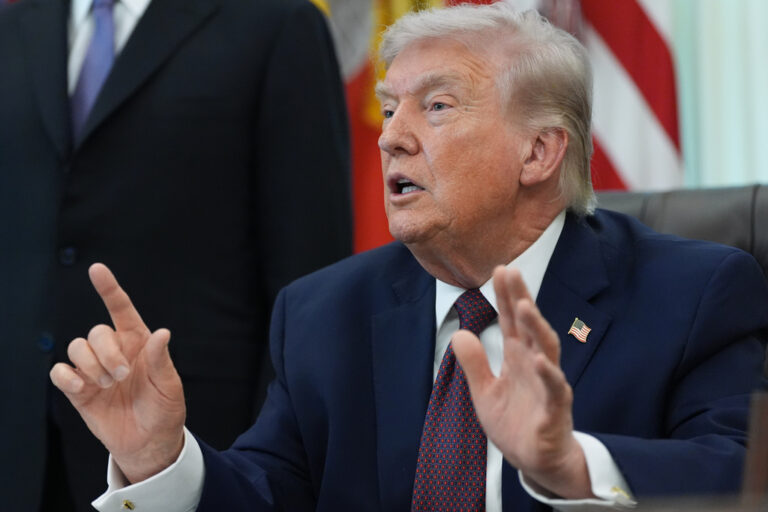
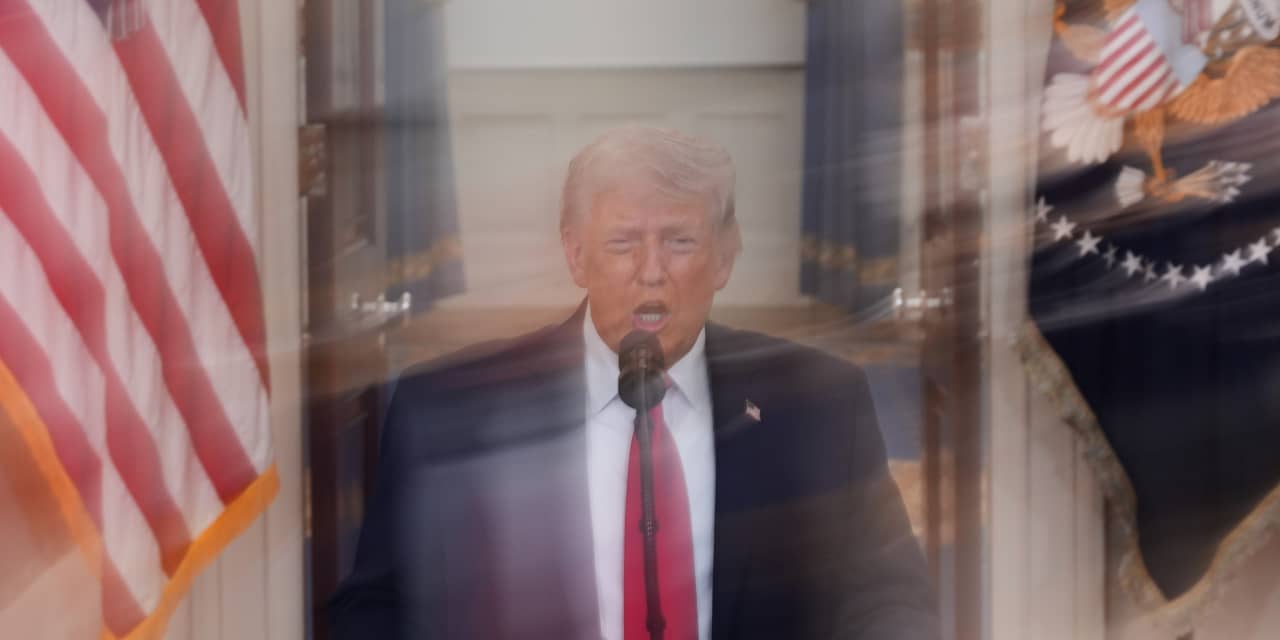
Investors entered the long holiday weekend with a mix of anxiety and uncertainty, as concerns over a potential global oil crisis escalated. This tension was fueled by President Donald Trump’s televised address, which failed to provide a clear resolution to the ongoing conflict with Iran. The situation has left markets on edge, with many wondering how long the current volatility will last.
Cindy Beaulieu, chief investment officer at Conning North America, expressed her concerns following Trump’s speech. She noted that the public is beginning to recognize the gravity of the situation, stating, “People are finally getting around to the idea that we are at war.” Beaulieu highlighted the significant buildup of U.S. troops, ready for action if needed, along with the recent U.S. air assault against Iran since February 28. She also pointed to Trump’s comments suggesting that the military campaign could take an additional two to three weeks to complete its objectives.
What was initially expected to last four to six weeks now appears to be extending into late April, according to Beaulieu. This shift in timeline has added to the uncertainty in the market.
Oil Prices Surge Amid Uncertainty
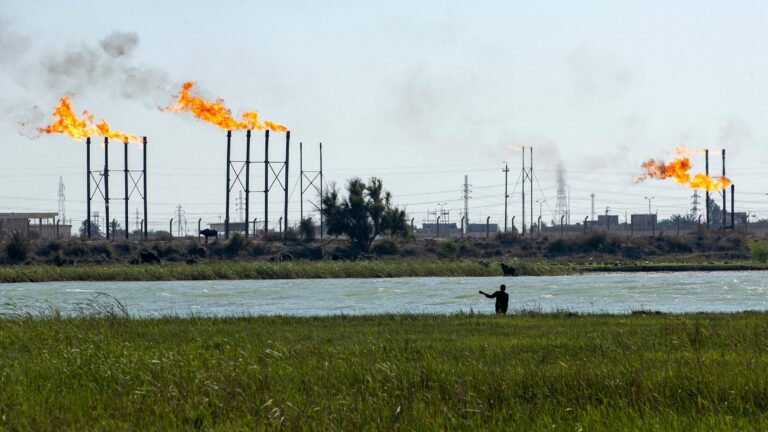
The heightened tensions led to a sharp rise in oil prices, which had a direct impact on stock markets. On Thursday, stocks initially declined due to Trump’s remarks, but the S&P 500 managed to close higher after unconfirmed reports indicated that Iran and Oman were working on a system to monitor tanker traffic through the Strait of Hormuz.
Brent crude oil surged by 7.8% on Thursday, reaching nearly $109 per barrel, while U.S. benchmark West Texas Crude jumped 11.4% to about $111.50. These increases underscored the “hour-by-hour” nature of the market’s response to the ongoing crisis.
John Luke Tyner, head of fixed-income at Aptus Capital Advisors, emphasized that every passing week of this conflict could push oil prices higher. He noted that the recent rally in the $30 trillion Treasury market reflects growing concerns about the ability of U.S. families and businesses to handle rising fuel costs. “At some point, energy prices that are too high will impact the economy,” Tyner said.
Impact on the Economy and Markets
The benchmark 10-year Treasury yield dropped to 4.312% on Thursday, after reaching a high of 4.439% earlier in the week. This decline suggests that investors are becoming more cautious about the economic implications of prolonged conflict.
Despite the uncertainty, Beaulieu from Conning suggested that the U.S. economy and markets could remain relatively stable if the American military campaign leads to negotiations with Iran. Ensuring safe passage for ships and oil tankers through the Strait of Hormuz would be crucial in this scenario.
Beaulieu explained that while the U.S. does not import a lot of crude oil, the global price of oil is heavily influenced by events in the Middle East. If the conflict continues, Americans might need to adjust to paying $4 per gallon for gasoline, she warned.
Long-Term Implications
Kevin McCullough, a portfolio consultant at Natixis Investment Managers, highlighted the potential long-term effects of the conflict. He noted that destroyed infrastructure and reduced production capacity in the Middle East could prolong the time it takes for energy prices to return to normal levels. Additionally, higher energy prices could reignite concerns about a potential economic downturn.
“If the current de-escalation proves temporary and hostilities intensify again, the market would likely begin pricing in that path,” McCullough said.
Market Gains and Economic Outlook
Despite the challenges, the S&P 500, Dow Jones Industrial Average, and Nasdaq Composite each recorded their largest weekly gains in 2026 on Thursday. The U.S. stock market was closed on Good Friday, adding to the unusual trading environment.
The recent upswing in stocks reflects some optimism around Trump’s new timeline for the Iran conflict, especially if oil prices begin to decline and gas prices gradually decrease. Beaulieu from Conning noted that corporate earnings in the first quarter may face some challenges, but the second quarter could see improvement. “If we are still talking about this six weeks from now, the question of growth really does start to take over,” she said.
The outlook for the U.S. economy has become significantly more uncertain in just the past few weeks, according to economists. The ongoing conflict with Iran continues to cast a long shadow over both financial markets and the broader economic landscape.