Global Oil Stocks Near Crisis, Threatening Shortages
Rising Concerns Over Oil Stockpiles in Developed Economies
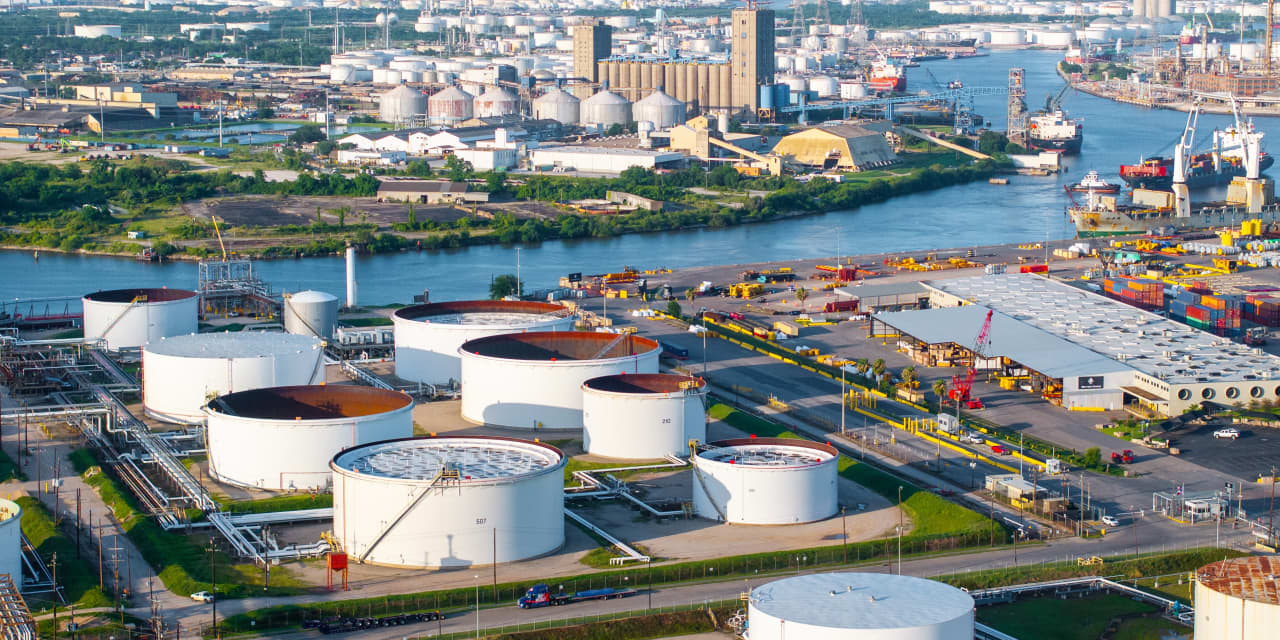
Recent analyses by J.P. Morgan suggest that oil stockpiles in developed economies could soon fall to levels that may disrupt the smooth functioning of energy markets. This potential decline raises concerns about reduced liquidity and bottlenecks in crude flows, which could have significant implications for global energy stability.
Total commercial oil inventories in Organization for Economic Co-operation and Development (OECD) countries are currently hovering above 1,050 million barrels. However, if the supply of oil continues to be disrupted due to gatekeeping in the Strait of Hormuz, these levels could soon reach an “operational minimum.” This threshold is defined as the point where normal market operations could begin to break down, according to J.P. Morgan Commodities Research.
A prolonged closure of the Strait of Hormuz would likely result in a massive oil shortfall of 14 million barrels per day. This would force energy markets around the world to draw down inventories and curb demand to bridge the gap. Analysts led by Natasha Kaneva, head of the global commodities strategy team at J.P. Morgan, noted that the latter is already evident across Asia—particularly in middle distillates and jet fuel—while the former is unfolding more quietly, masked by timing lags, floating storage dynamics, and the uneven regional distribution of stocks.
Kaneva and her team expect OECD commercial crude inventories to fall by roughly 166 million barrels in April and by a further 67 million barrels in early May before hitting the “operational minimum” of 842 million barrels. This projection was outlined in a recent client note from the J.P. Morgan team.
Before the Iran conflict, the oil market was well-supplied, with the International Energy Agency estimating that global supply could exceed demand by nearly 4 million barrels per day in 2026—a record annual surplus. However, those inventories have been “steadily drawn down” over the past month, suggesting that stockpiles can only provide a limited buffer to oil supply, according to the J.P. Morgan team.
Since the U.S. and Israel started the war, the IEA had anticipated global oil supply to be slashed by 8 million barrels a day in March, or almost 250 million barrels in total. In response, the IEA decided to release an unprecedented 400 million barrels from emergency reserves.
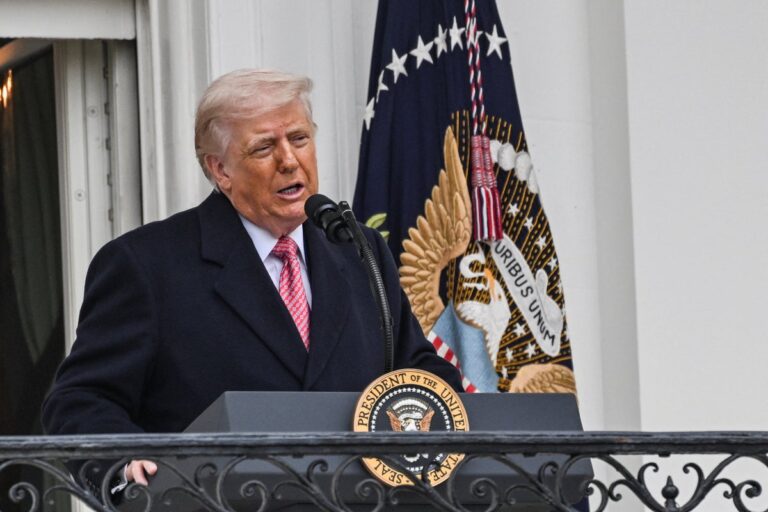
Hostilities in Iran have entered a second month and show no clear signs of de-escalation. President Donald Trump recently addressed the nation, touting the U.S. military’s successes and stating that American forces will continue to hit Iran “very hard” in the next two or three weeks. The president has made repeated threats against Iran’s energy infrastructure if the country does not loosen its stranglehold on the strait.
Even if a ceasefire is reached or the strait reopens, it would still take months for the oil market to return to full-supply conditions. Reopening the Strait would set off a rapid but uneven normalization, with financial prices adjusting far faster than physical flows, according to Kaneva. Markets would price not only the resumption of transit but also a full return to normal supply conditions—which, in practice, will take months to materialize.
OECD commercial inventories should start to rebuild about two months after the strait reopens, though a full recovery to prewar levels may take about four months, according to J.P. Morgan.
Crude Oil Prices Surge Amid Market Uncertainty
June Brent crude was up 7.8% to end at $109.03 on Thursday afternoon. The global benchmark has risen for seven straight weeks, logging its longest winning streak since 2023. U.S. benchmark West Texas Intermediate crude for May delivery rose 11.4% to $111.54 a barrel on Thursday, settling at the highest level since June 28, 2022, according to Dow Jones Market Data.
Energy markets will be closed on Friday for the Good Friday holiday, adding to the uncertainty surrounding the oil market. As the situation in the Strait of Hormuz remains volatile, the outlook for global oil supplies and prices continues to be closely watched by analysts and investors alike.