Trump to Levy 100% Tariff on Select Patented Medications
Overview of the New Tariff Policy
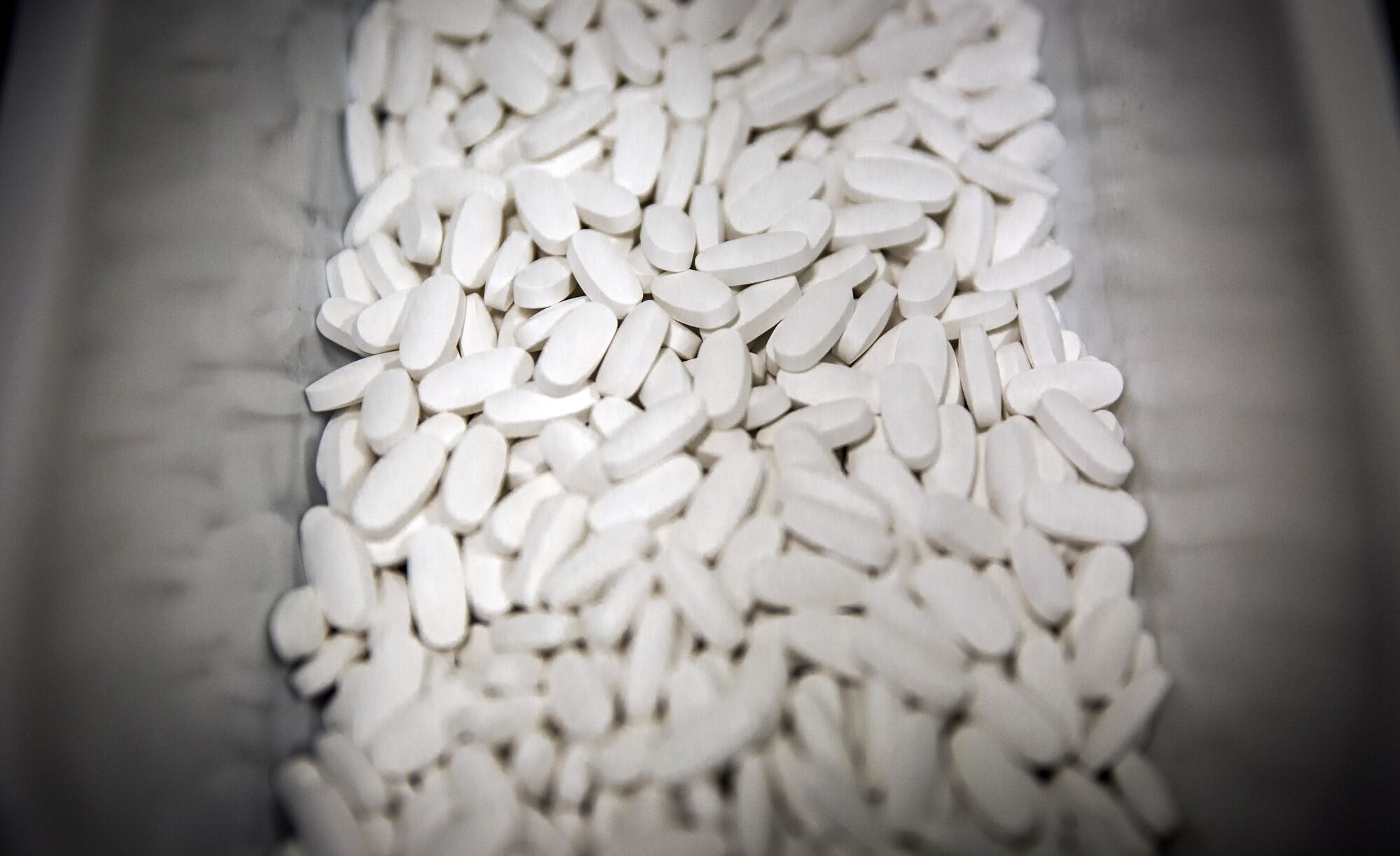
The Trump administration has introduced a new tariff policy targeting imported medicines, aiming to encourage pharmaceutical companies to increase manufacturing within the United States. This move includes tariffs as high as 100% on certain patented drugs but comes with several exemptions and conditions.
The new levy was authorized by President Donald Trump and applies to patented drugs produced in countries without tariff agreements with the US or those not adhering to most-favored-nation pricing agreements. The White House statement outlines that duties for products from larger companies will take effect in 120 days, while items from smaller manufacturers will be affected after 180 days.
Tariff Rates and Exemptions
Tariffs on imports from major economies that have reached deals with the White House are capped at 15%. This includes the European Union, South Korea, Japan, Switzerland, and Liechtenstein. The UK will face a lower rate due to a separate agreement where it pledged to double government spending on new medicines as a proportion of GDP over the next decade.
Medicines made by companies that commit to some manufacturing in the US will see their imported products taxed at 20%, and if they strike MFN agreements, the rate would fall to zero. This tariff-free exemption is set to last through January 20, 2029.
Impact on Pharmaceutical Companies
Most of the world’s largest drugmakers, including Merck & Co. and Eli Lilly & Co., have avoided the punitive measures by striking agreements with the administration. Trump sent letters to 17 companies last summer with demands, including price cuts for Medicaid, direct sales to US consumers, and launching new drugs at the same prices available in other developed nations in exchange for tariff relief.
This means the new levies will mainly affect smaller pharmaceutical companies and ingredient manufacturers. Veda Partners analyst Spencer Perlman estimated that the full 100% tariff would apply to only around $12 billion worth of goods out of $274 billion in total pharmaceutical imports in 2025.
Industry Reactions
A trade group representing biotech companies criticized the move, arguing that any tariffs on America’s medicines would raise costs, impede domestic manufacturing, and delay the development of new treatments. John Crowley, CEO of industry lobbying group BIO, stated that the tariffs could create financial risks for smaller biotech companies that often lack the capital to build dedicated manufacturing facilities.
The UK’s tariff rate will currently be 10%, but will drop to zero if GSK Plc finalizes a domestic manufacturing agreement with the US government, according to a White House official.
Additional Considerations
Generic medicines are also exempt from the new tariffs, although the measure signed by Trump orders the Commerce Department to re-evaluate those products within one year. This leaves the door open for future levies depending on how much production is reshored. Specialty pharmaceutical products, such as drugs for rare diseases or animal health, will also be exempt if they come from countries that made trade deals or meet an urgent public health need.
The new levies result from an investigation launched in April 2025 under Section 232 of the Trade Expansion Act. This allows the president to unilaterally impose tariffs on imports deemed a national security threat. Industry groups have expressed concerns that these tariffs could disrupt supply chains, exacerbate shortages, and drive up costs for Americans.
Broader Implications
This is the latest protectionist move from Trump, whose trade agenda faced a setback in February when the Supreme Court ruled that his global tariffs violated the US Constitution. However, duties imposed on other industries under Section 232 were unaffected by that ruling. Trump also moved to simplify and tighten his metals levies on Thursday.
Trump has long criticized foreign production of medicine as a threat to national security and raised the specter of tariffs of as much as 200% to encourage domestic manufacturing. Companies responded with announcements about multibillion-dollar investments in the US, but this wasn’t enough to prevent the levies stemming from the Commerce Department’s investigation.
Drugmakers now face a choice between absorbing the cost of tariffs or raising prices for their medicines in what is already the most expensive market in the world. Stephen Ubl, President and CEO of the Pharmaceutical Research and Manufacturers of America, stated that the tariffs “will increase costs and could jeopardize billions in U.S. investments announced in the last year.” Interpharma, Switzerland’s pharmaceutical lobby, called on its government to negotiate a deal similar to the one struck by the UK.
Potential Effects on Patients
It remains unclear when patients will feel the effects—or how significant they will be. Americans pay more for drugs than anyone else in the world. These prices are often set through complex negotiations between insurance companies, pharmacy benefits managers, and manufacturers, making it harder to pass increased costs immediately. Consumers may eventually face higher prices through rising co-pays or more expensive insurance policies.