
Stocks Recover as Investors Track Iran Conflict Updates
Market Volatility Amid Geopolitical Tensions
Stocks experienced a rollercoaster day as investors navigated the uncertainty surrounding President Trump’s speech on the ongoing conflict in the Middle East and its implications for global markets. The S&P 500 managed to gain 7 points, or 0.1%, closing at 6,583, while the tech-heavy Nasdaq saw a modest increase of 0.2%. However, the Dow Jones Industrial Average ended the day in the red, declining by 61 points, or 0.1%.
The market’s fluctuation was partly influenced by reports that Iran and Oman were working on a plan to manage traffic through the Strait of Hormuz, a critical waterway for global oil shipments. This development provided some relief to investors, although it did not mitigate the impact of a 10% rise in oil prices.
Impact of President Trump’s Speech
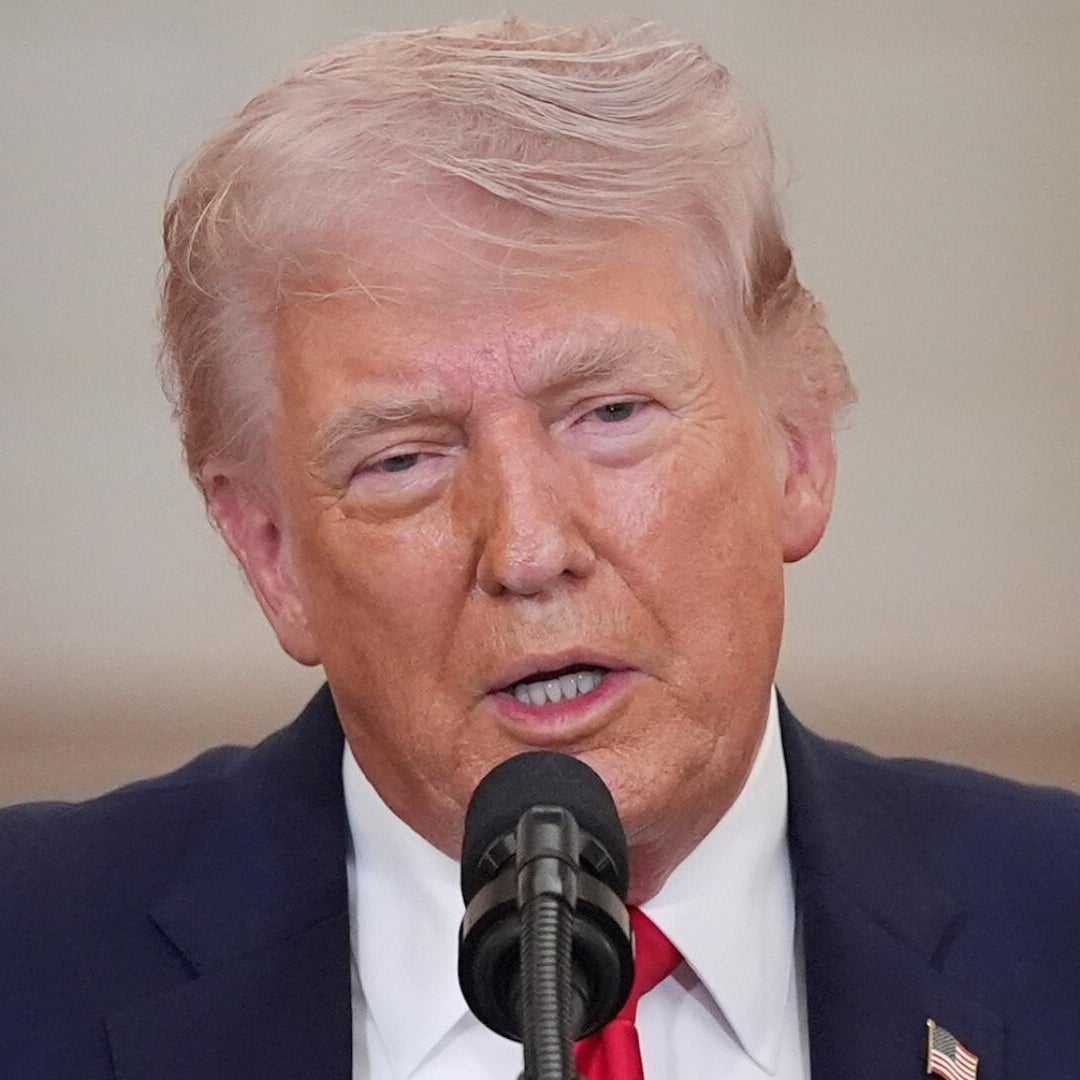
President Trump’s Wednesday night address to the American public reiterated his claims that U.S. objectives in the Middle East are nearly met and that Iran’s military capabilities have been significantly weakened after over a month of combat. However, he did not provide new details about these objectives or a timeline for reopening the Strait of Hormuz to oil tankers, instead pledging to continue U.S. strikes against Iran for two to three more weeks.
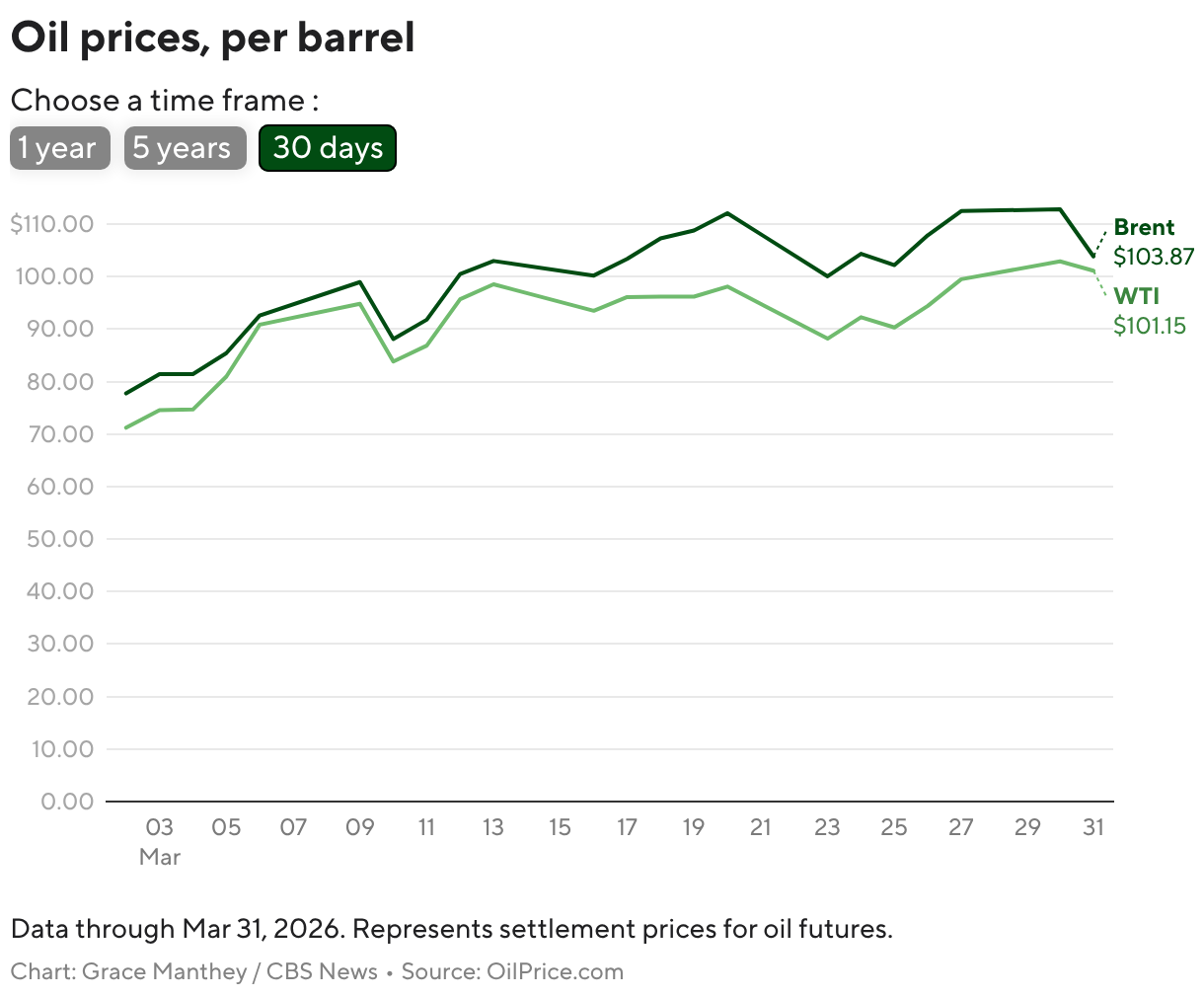
Following this speech, oil prices surged. Brent crude, the international benchmark, rose 7.7% to $109 per barrel, while U.S. crude climbed 11.9% to $111.81. Analysts noted that while the market is adapting to the ongoing conflict, corporate earnings remain a key factor in maintaining investor confidence.
Economic Implications of the Strait of Hormuz Closure
The Strait of Hormuz, which handles approximately 20% of the world’s oil and liquified natural gas supply, remains effectively closed. According to Ryan Sweet, Oxford Economics’ global chief economist, the closure could persist through the end of April, leading to significant economic consequences if prolonged.
Despite efforts by the Trump administration to release oil from the Strategic Petroleum Reserves, the effectiveness of this measure diminishes the longer the strait remains closed, according to Sweet. He warned that oil prices could potentially reach $150 or even $200 per barrel under extreme scenarios.
Rising Gas Prices and Consumer Impact
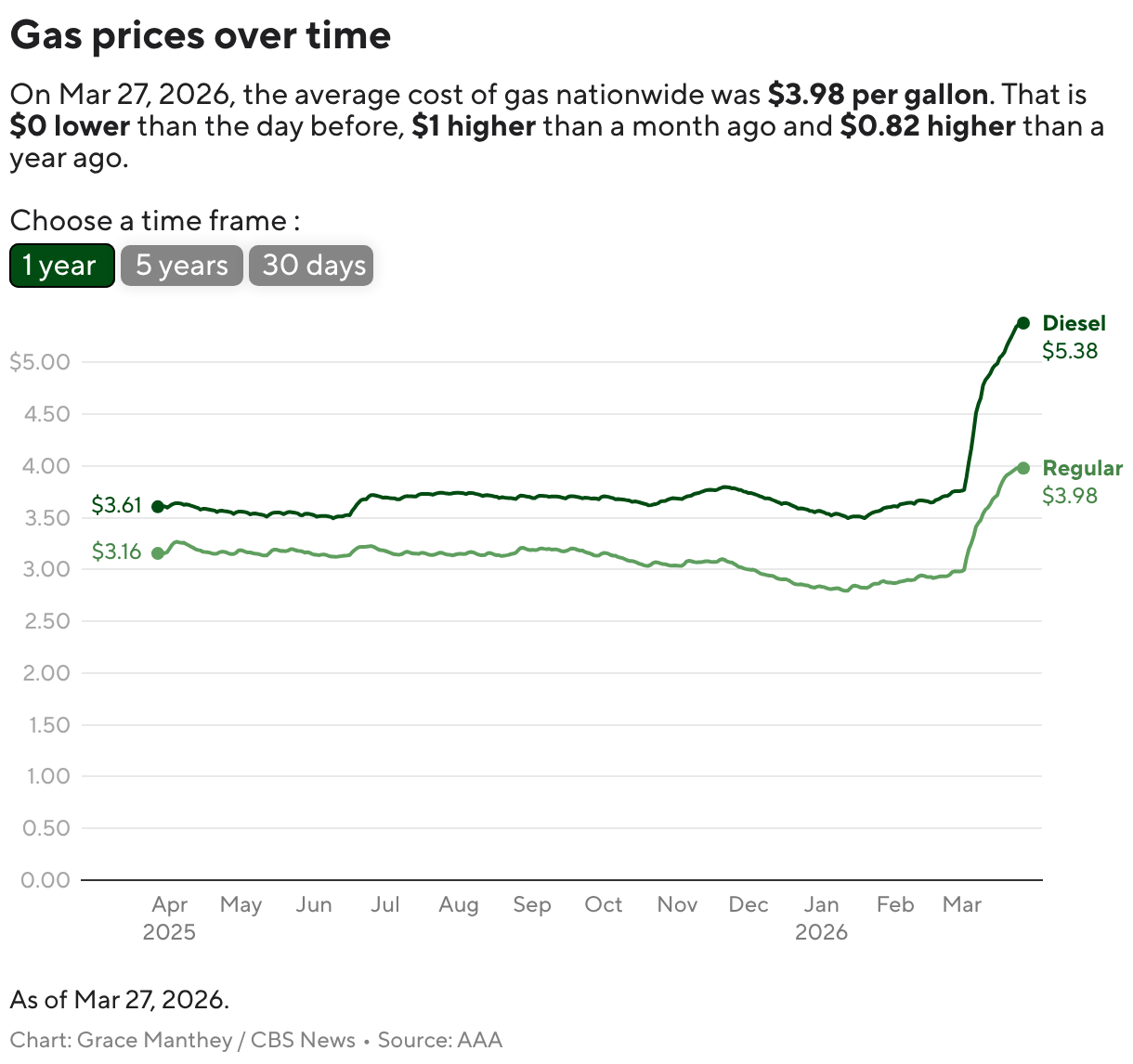
U.S. gasoline prices, closely tied to global oil prices, have continued to climb. On Thursday, the average price per gallon reached $4.08, up from $4.06 the previous day, according to AAA data. The increased cost has already added $8.4 billion to gas expenses since the conflict began on February 28, as calculated by Democrats on the Joint Economic Committee.
Investor Sentiment and Market Outlook
Analysts suggest that while the war may persist, there is a general expectation that it will conclude by the end of April, with energy prices eventually stabilizing. Wall Street investors, however, remain cautious, aware that prolonged conflict could lead to further market volatility.
Brent Kenwell, an investment analyst at eToro, highlighted that corporate earnings are expected to continue rising, serving as a crucial factor in the market’s resilience. He also noted that investors are wary of missing out on potential rallies, despite concerns about the conflict dragging on.

Market Holiday and Future Outlook
Markets will be closed on Friday in observance of the Good Friday holiday, providing a brief respite from the ongoing tension. As the situation in the Middle East continues to evolve, the focus will remain on how global markets adapt to the shifting landscape of energy prices and geopolitical developments.