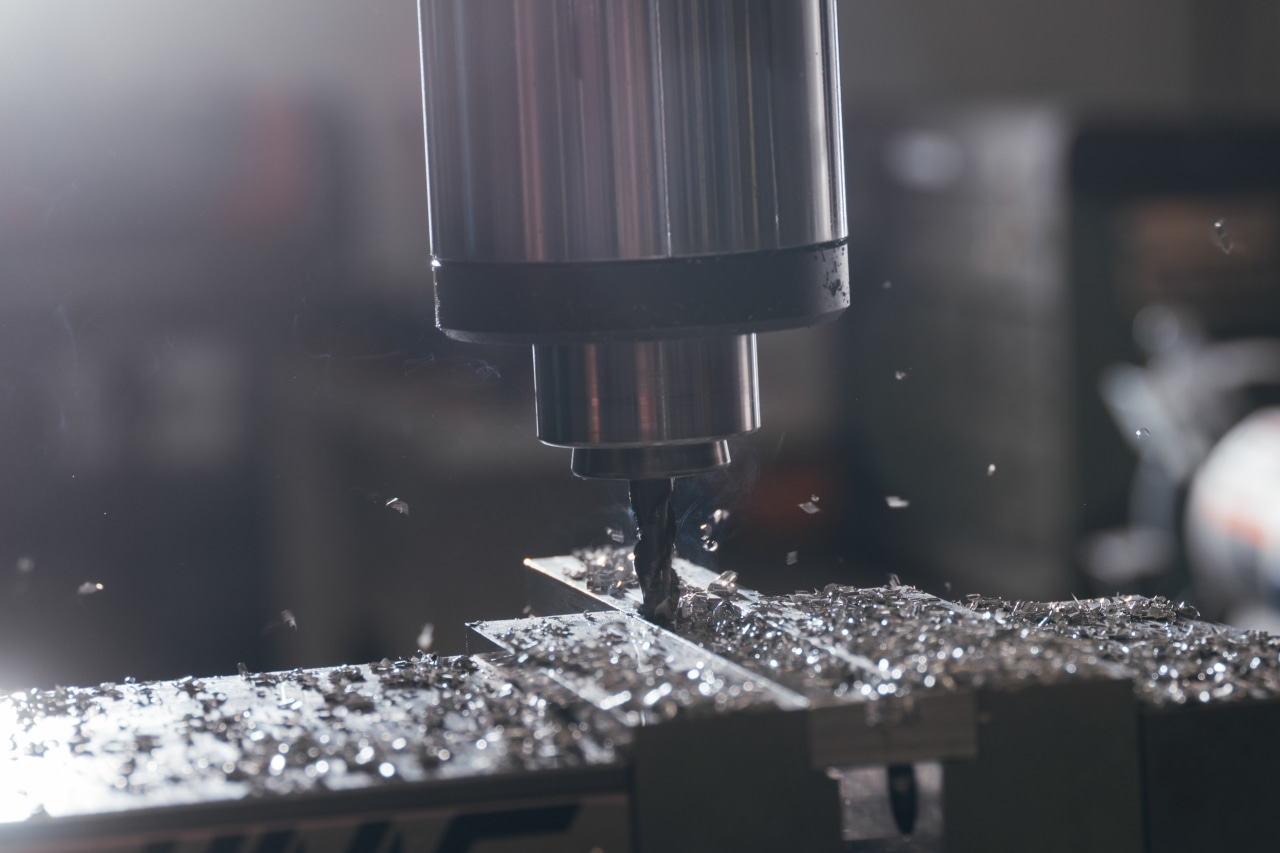
Tariffs Worsen US Aluminum Shortage as Iran Conflict Escalates
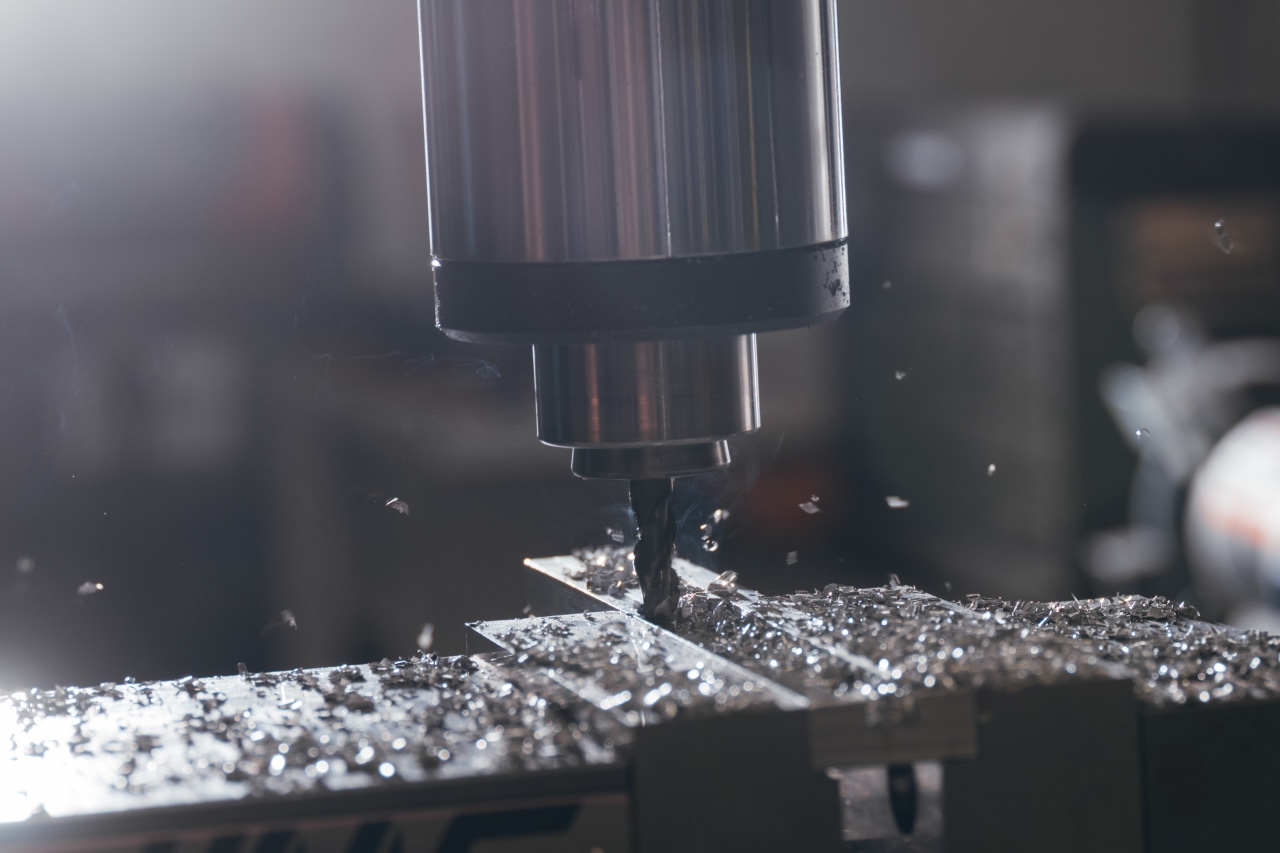
Bud Reitnouer has dedicated 43 years to building a business centered around aluminum. His company, Reitnouer Trailers, specializes in manufacturing flatbed truck trailers using entirely aluminum materials. Each trailer requires approximately 4,500 pounds of the lightweight metal, which is also the most significant cost factor for the company.
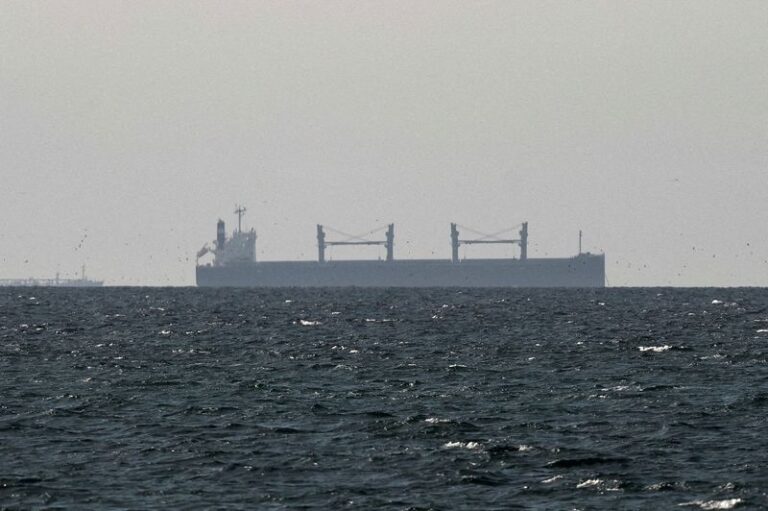
Over the past year, these costs have surged due to increased U.S. tariffs on imported aluminum and rising global prices for the metal. Now, Reitnouer faces an additional challenge: the ongoing conflict in Iran. The war has disrupted aluminum shipments from countries surrounding the Persian Gulf, which are key sources of the metal. Approximately one-fifth of the aluminum imported into the U.S. comes from these Gulf nations.
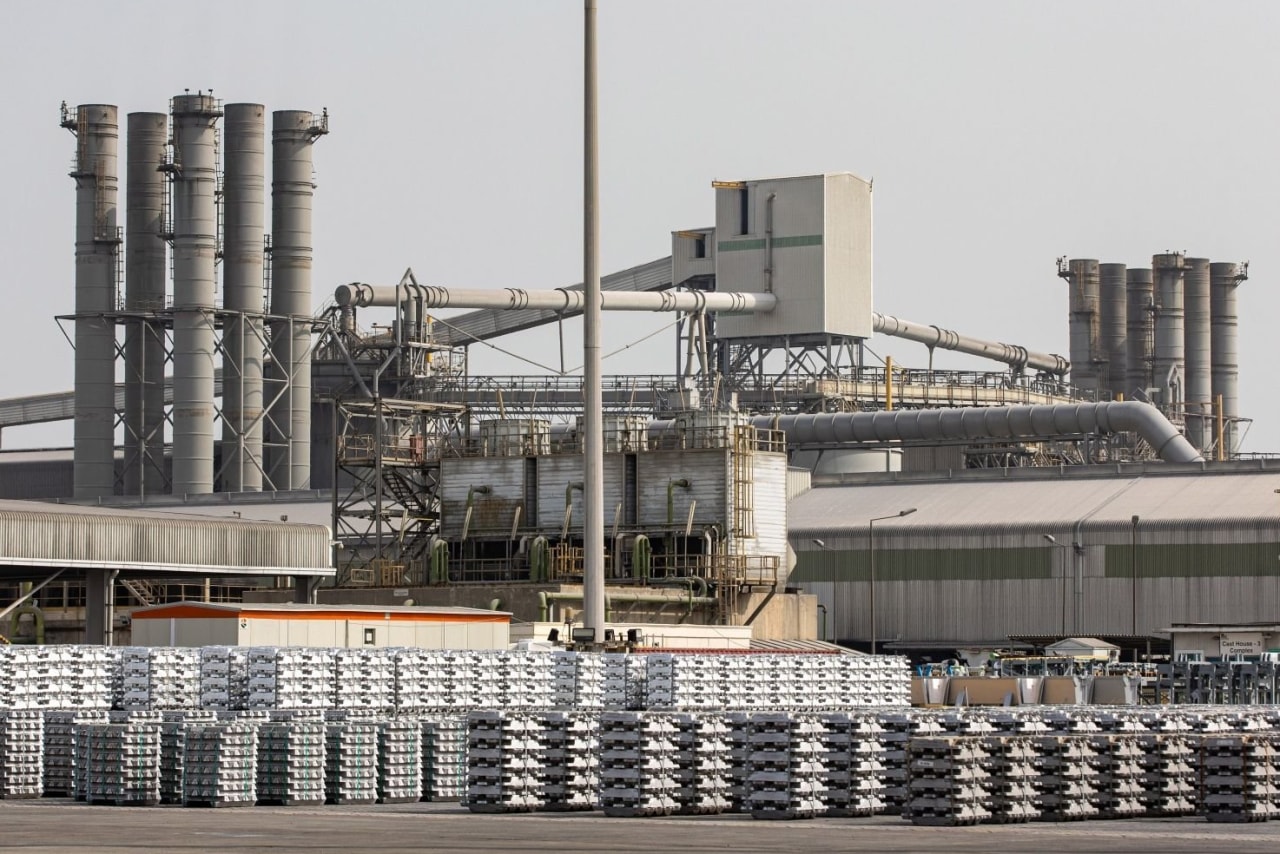
Last weekend, Iranian drones and missiles targeted aluminum plants in Abu Dhabi and Bahrain, damaging two of the region’s largest producers. This disruption is expected to create a ripple effect through already strained U.S. aluminum stocks in the coming months, further increasing pressure on prices that have already been affected by tariff challenges.
“Nothing could be worse. Every time we pass on a price increase to our customers, the price of aluminum goes up even more,” said Reitnouer, the CEO of his Reading, Pa.-based company.
Companies that rely on aluminum for products ranging from soda cans to car hoods have experienced the effects of more expensive aluminum. At Reitnouer Trailers, rising aluminum prices accounted for nearly all of the 9.5% increase in production costs last year. Although the company does not purchase imported aluminum, the metal’s global pricing means supply disruptions like the war in Iran quickly impact its U.S. costs.
The aluminum price system offers domestic buyers little protection from the U.S. tariffs on imported aluminum, which have risen from 10% to 25% and then to 50% since the start of President Trump’s second term.
The Wall Street Journal recently reported that the Trump administration is preparing to overhaul its tariff scheme for steel and aluminum, but the changes are not expected to affect imported commodity-grade metals.
The delivered price of aluminum in the U.S., including various charges and the tariff, is $6,100 per metric ton, a rise of 83% compared to a year ago. According to S&P Global Energy, the tariff and other associated costs account for about $2,520. In Western Europe, the all-in price is approximately $4,160.
“We’ve become disadvantaged pretty significantly,” said Jeff Lehman, North America president for Norsk Hydro’s aluminum extrusion business. He noted that Hydro is losing orders to competitors outside the U.S. who can afford the tariff and offer lower prices because their aluminum costs less.
Arizona-based Awake Window & Door is one client that purchases long, angled pieces of aluminum from a Hydro plant in Oregon to make frames for large windows and glass walls used in luxury homes. Scott Gates, Awake’s CEO, stated that the company’s cost for the aluminum feedstock used by Hydro increased by 70% over the past year. Gates had hoped that the tariff on foreign competitors’ windows would give Awake an advantage as a domestic company.
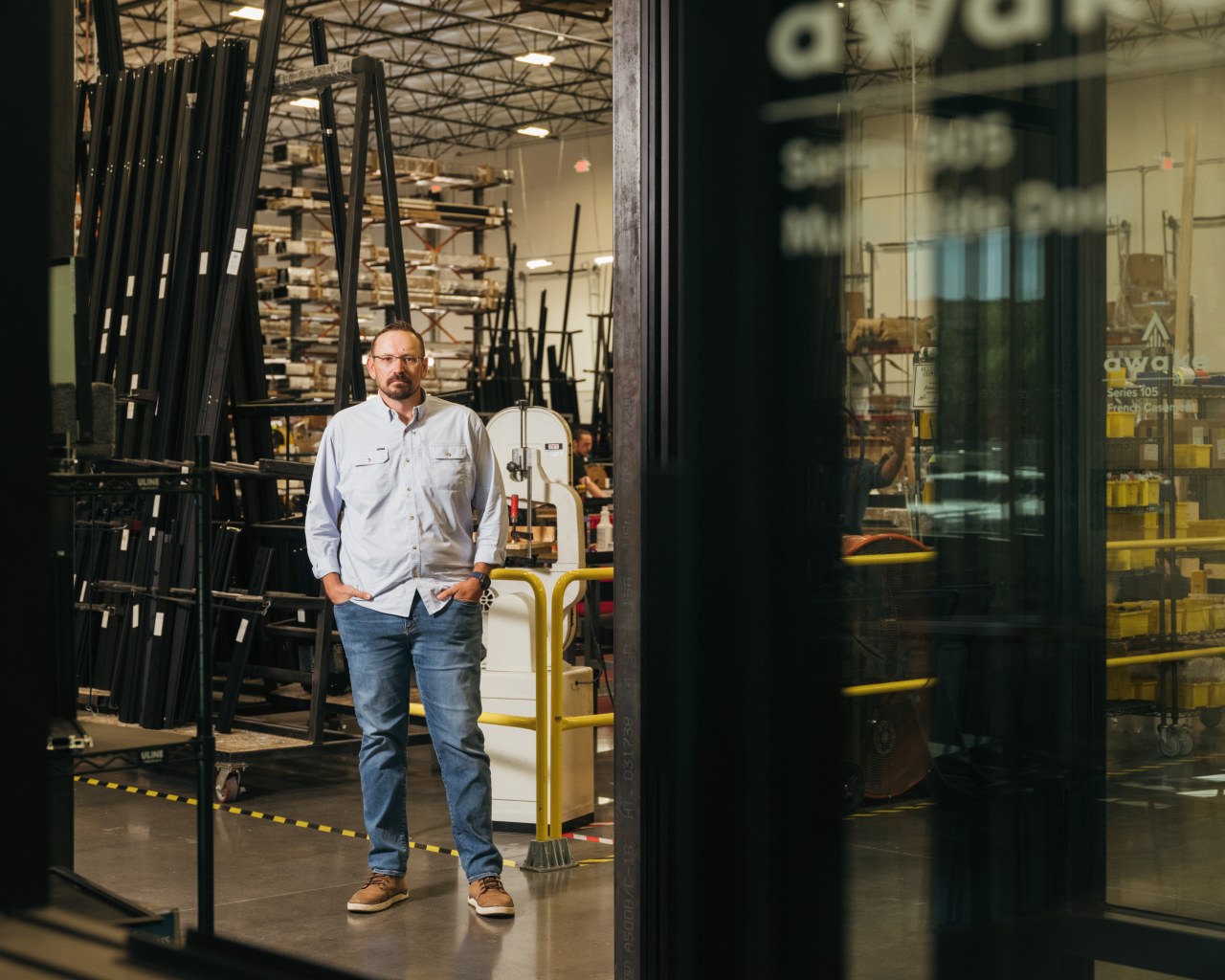
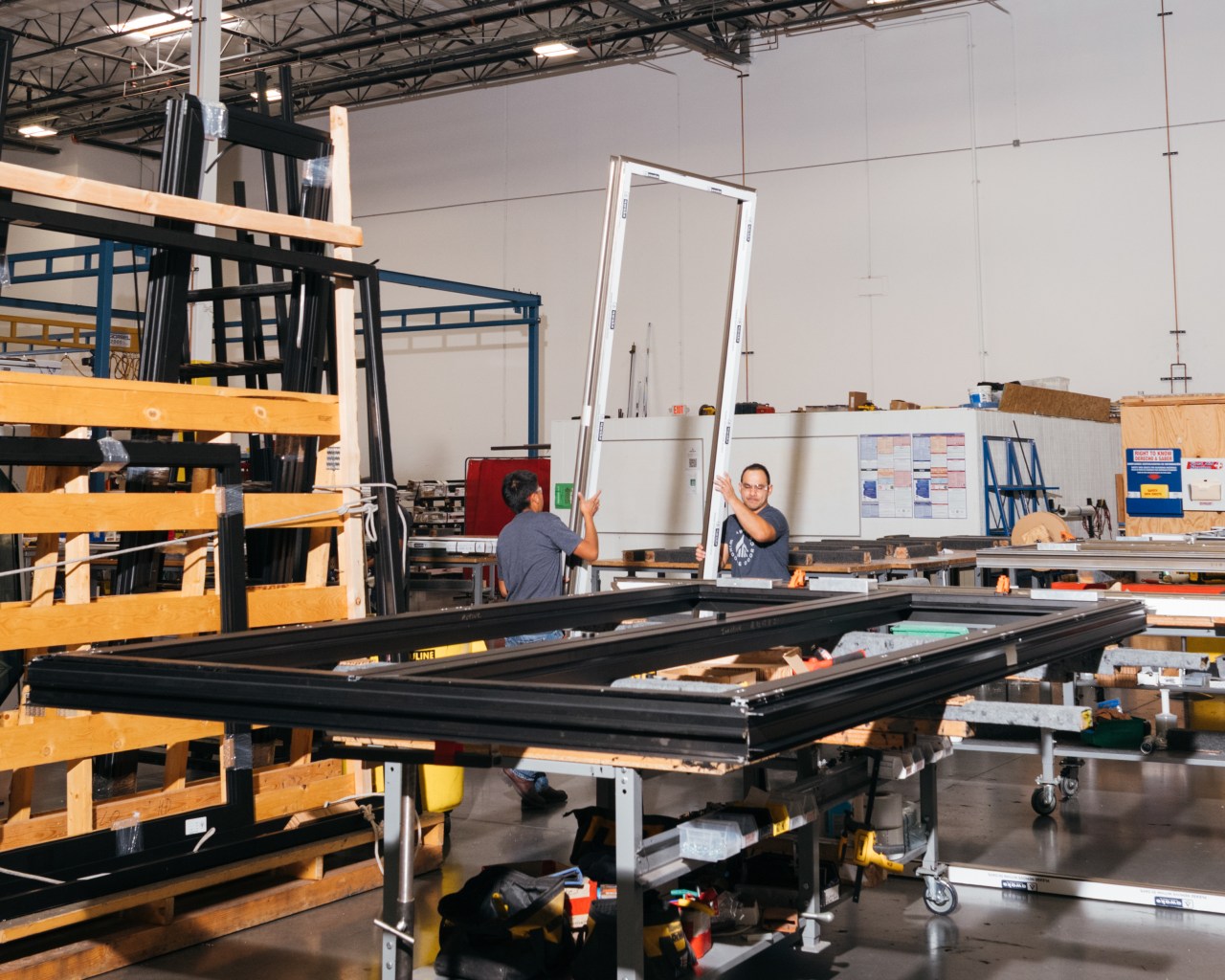
That did not happen. “The tariffs haven’t given us a pricing advantage,” Gates said. “Their prices went up, and our prices went up.”
Although Trump’s tariffs were intended to encourage more domestic production of primary aluminum made in smelters, only a few of those facilities are currently operating in the U.S. High electricity costs have driven U.S. smelters out of business for decades. Approximately 70% of the primary aluminum consumed in the U.S. comes from Canada.
U.S. aluminum stocks are estimated at 200,000 metric tons, about two weeks’ worth of domestic consumption, compared to the usual four to six weeks. Shipments from Canada dropped last summer when producers there struggled to recover the cost of rising tariffs from U.S. buyers through market-determined delivery fees on aluminum.
Due to the high price of aluminum, metal traders and distributors have been hesitant to maintain larger inventories, according to company executives.
Some Canadian aluminum was diverted to Europe over the summer, and executives expect pressure from dislocated customers of aluminum from the Middle East to lure metal away from the U.S. market.
Meanwhile, domestic aluminum producers like Pittsburgh-based Alcoa have benefited from the higher prices.
The company, which operates two smelters in Canada and is a partner in a third, initially struggled to recover tariff expenses last year. However, rising prices are now boosting the margin on its aluminum.
Alcoa’s adjusted income from its aluminum business rose to $520 million during last year’s fourth quarter, up from $194 million a year earlier. Alcoa’s stock closed at $71.53 on Thursday, marking a rise of about 35% since the start of the year and reaching some of its highest levels in four years.
“The tariffs aren’t harmful any longer,” Molly Beerman, Alcoa’s chief financial officer, told investors recently.