
Trump alters tariffs on steel and other imported metals. Here’s the reason

Changes to Tariff Assessments for Imported Metals
The Trump administration has made significant changes to the way it evaluates tariffs on imported steel, aluminum, copper, and products containing these metals. The goal of this adjustment is to streamline the process and make it more efficient.
This announcement was made on the one-year anniversary of President Donald Trump’s “Liberation Day,” when he introduced “reciprocal tariffs” on imports from various countries. However, the tariffs on these specific metals were implemented under a different legal framework—Section 232 of the Trade Expansion Act of 1962.
Experts in trade policy suggest that these changes are likely a response to the criticism from U.S. importers and foreign trading partners. They also point to the fact that the promises made by Trump last April have not fully materialized.
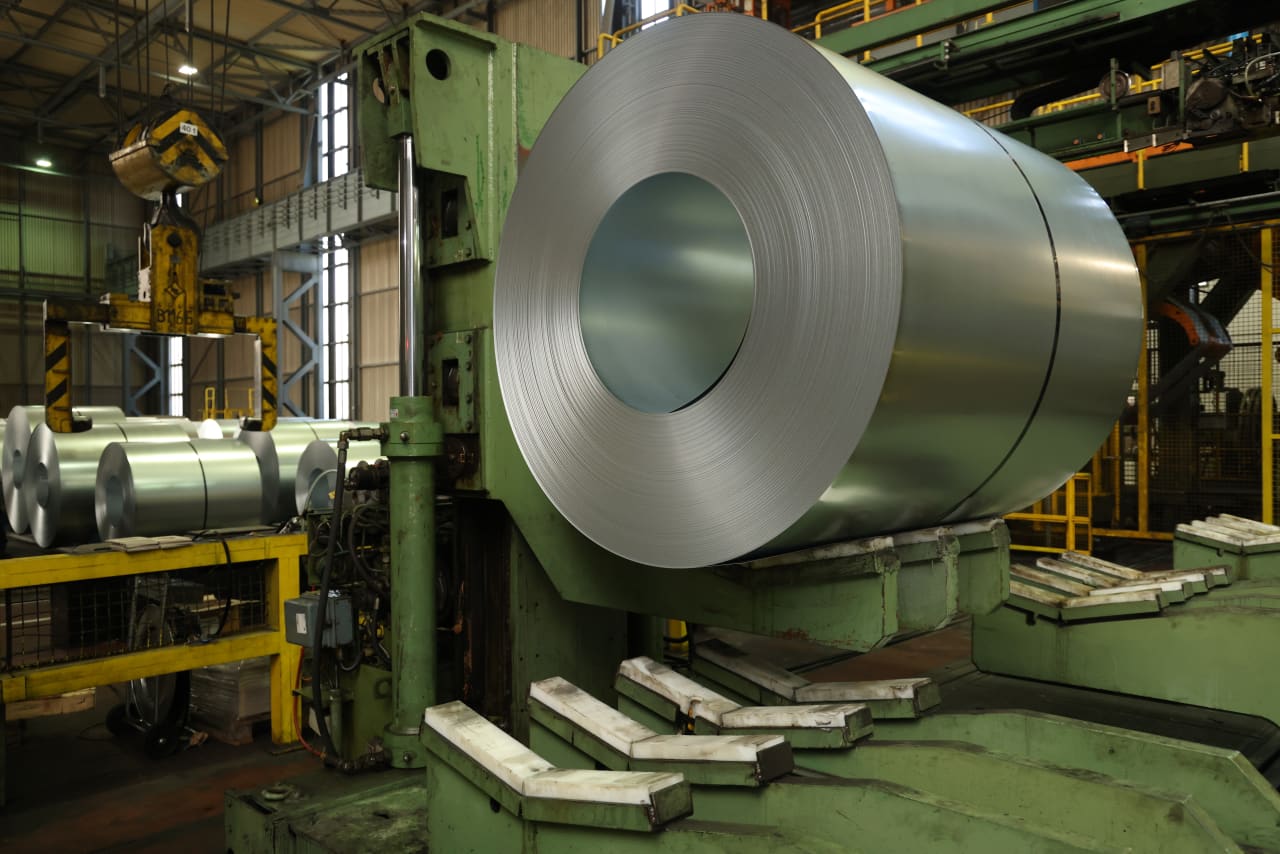
Currently, the 50% tariffs still apply to products that are entirely made of these metals, such as steel coils and aluminum sheets. However, other products that contain a significant amount of these metals, like washing machines, will now be subject to a flat 25% tariff.
Previously, importers had to calculate the tariff based on the metal content of the product and then apply separate rates to the remaining components. This new approach simplifies the process.
New Tariff Rules and Exceptions
In addition to the changes mentioned above, products that contain less than 15% of these metals by weight will no longer be subject to an additional metals tariff. Metal-intensive industrial equipment and electrical grid equipment will pay a 15% rate through 2027. Products made abroad but “entirely with American steel, aluminum, and copper” will be subject to a 10% tariff.
The White House also stated that the 50% tariffs will now be applied to the full value of the steel and other metals imported into the U.S. This change aims to address a pricing imbalance, according to a senior administration official who spoke to reporters on background.
After the initial announcement of tariffs on imported steel and aluminum, exporters significantly reduced the value of those metals to lower the tariffs they would have to pay. “They were just artificially making it lower,” the official said.
The administration noted that they did not receive the expected tariff revenue because of this artificial reduction in value. The White House emphasized that the changes were not intended to increase tariff revenue, but rather to better align incentives with their goals while reducing unnecessary complexity.
Impact of Tariffs and Economic Promises
Trump claimed that his tariffs would lead to an economic boom, generate trillions of dollars in revenue, encourage foreign investment and domestic manufacturing, and eliminate trade deficits. However, experts have pointed out that the actual outcomes have been mixed.
Scott Lincicome, vice president of general economics at the Cato Institute, said, “The best thing you can say about them is that they weren’t as harmful people thought they would be.” Instead, what happened is that taxes, price uncertainty, and bureaucracy increased, while U.S. manufacturing, foreign direct investments, and the trade balance remained stagnant.
Trump had previously stated that there would be “no exceptions, no deals, no loopholes,” but this has not been the case. Tariff rates like the 130% imposed on Chinese imports were reduced, exemptions became widespread, lobbying efforts increased, and prices for Americans rose, Lincicome told Barron’s.
The way the administration imposed its tariffs—unilaterally, negotiating different rates for different countries, and often changing which products were exempt—increased trade complexity and uncertainty. “There’s no sign of any boom,” Lincicome said.
Aluminum and steel prices in the U.S. were already twice as expensive as they were on the world market, and the U.S.-Israeli war in Iran further worsened the situation. Not only has the conflict caused global prices to rise, but it has also cut off U.S. manufacturers’ access to aluminum sources in the UAE and Bahrain.