
$4 gas prices hit consumers early, data show

Rising Gas Prices and Economic Uncertainty
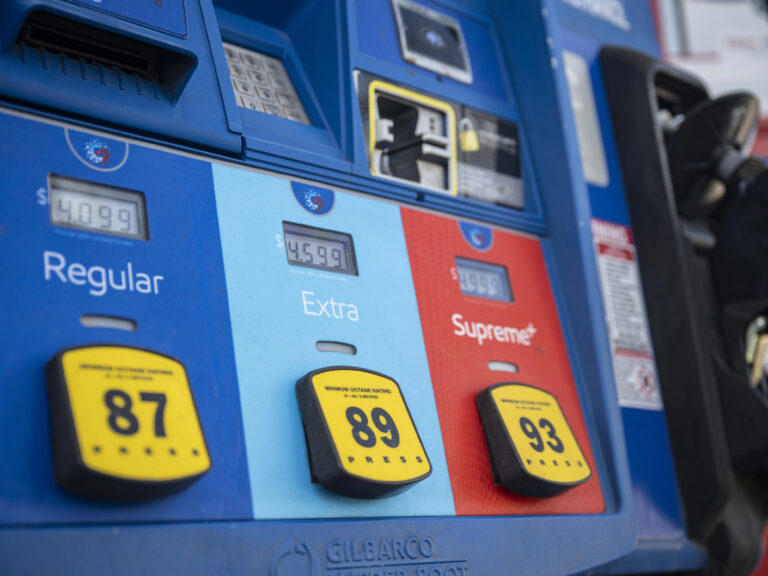
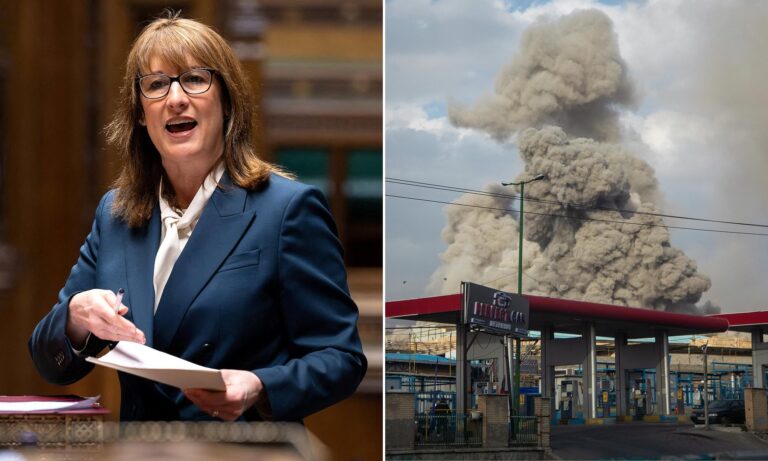
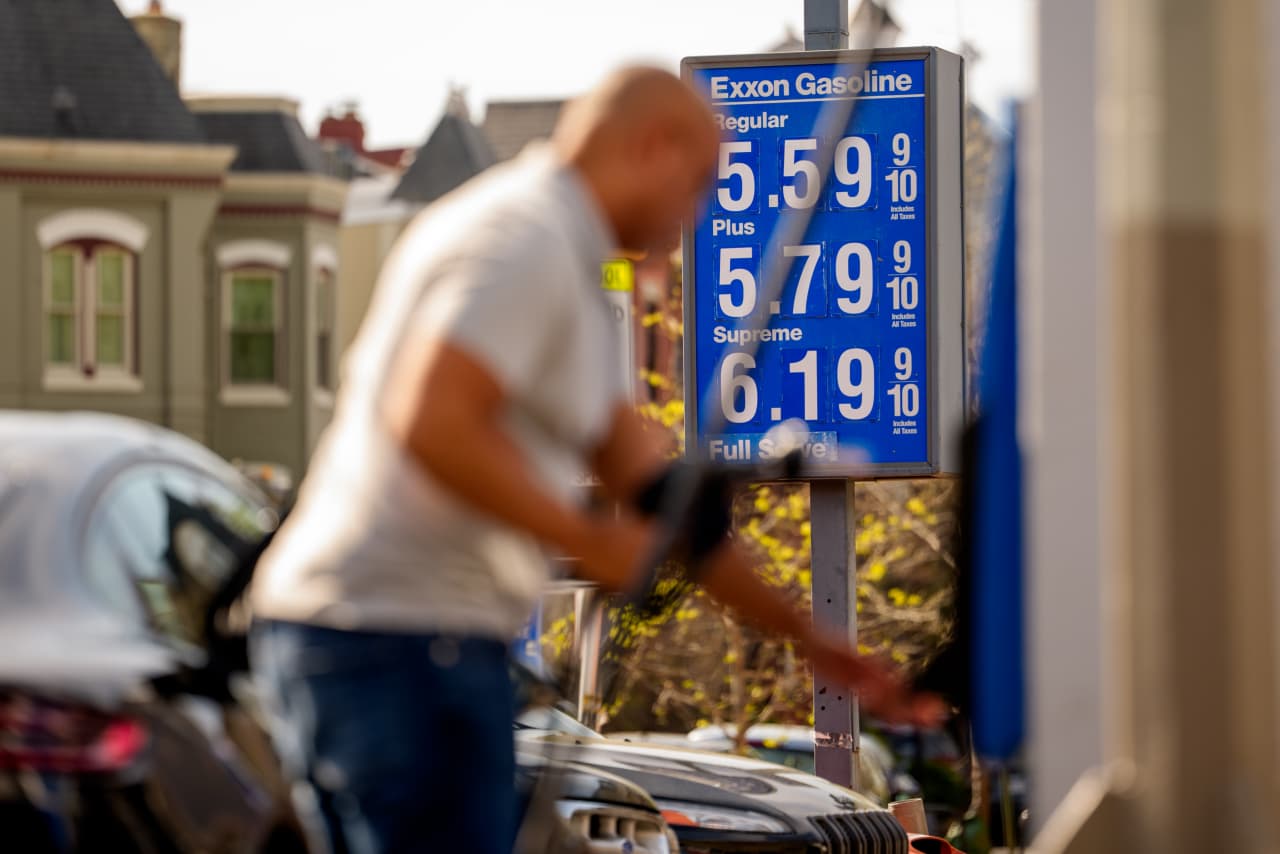
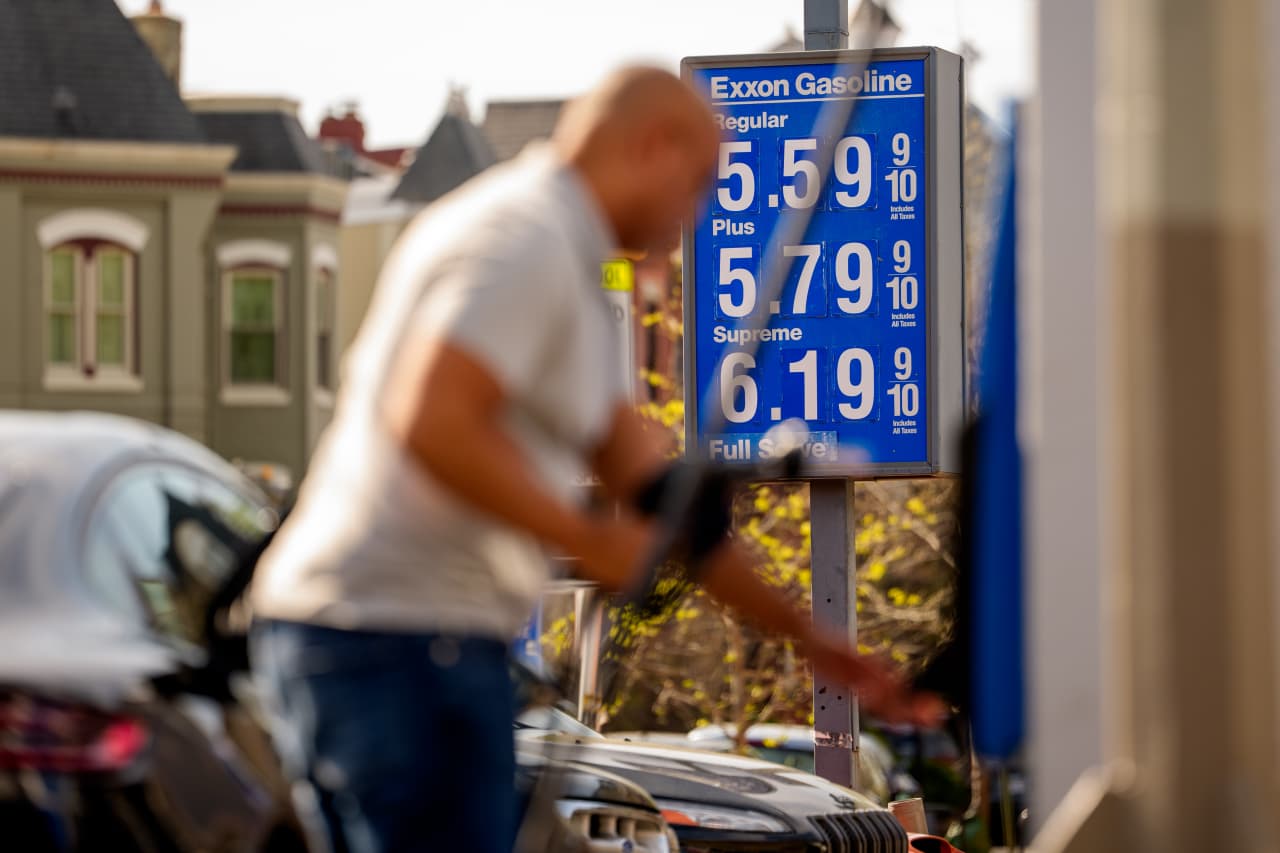
The recent surge in gas prices has sparked concerns among consumers and investors alike. With gas hitting $4 per gallon, the highest level since 2022, many are worried about how this will affect their spending habits. The situation is further complicated by the ongoing conflict in Iran, which has led to increased oil prices and heightened uncertainty in the market.
Investors are particularly concerned about the impact of higher energy costs on American consumers. Dana Telsey, CEO of Telsey Advisory Group, notes that consumer companies are increasingly using the term “uncertainty” in their reports. This reflects a growing fear that rising gas prices and tariff-related cost increases could lead to slower spending. Over the past month, gas prices have risen by more than 30%, adding to the financial pressure on households.
Despite these concerns, the retail sector saw some positive signs in February. According to the Census Bureau, retail sales increased at their fastest rate in eight months. This came after a strong holiday season for many retailers, who reported revenue and comparable sales growth in their fiscal fourth quarters. However, analysts like Ivan Holman from Bernstein caution that this momentum may not last.
Holman warns that the current economic data reflects a temporary upswing that could be disrupted by the ongoing conflict in Iran and rising fuel prices. The State Street SPDR S&P Retail exchange-traded fund has dropped nearly 8% since the conflict began in late February, while the State Street Consumer Discretionary Select Sector SPDR fund has also seen significant declines. These drops contrast with the 4.5% decline in the S&P 500 over the same period.
Investors are clearly wary of taking risks, as evidenced by the drop in Bed Bath & Beyond shares following news of its $150 million acquisition of The Container Store. Analysts at Jefferies, including Blake Anderson, note that consumer sentiment is becoming increasingly pessimistic. Their latest survey shows the lowest level of consumer sentiment since November 2023.
This shift in sentiment is partly due to the cumulative effect of years of inflation, which has already strained household budgets. Unlike previous periods of economic uncertainty, such as the government shutdown or Liberation Day, the current trend in consumer sentiment has been one of gradual decline over the past 15 months. All five measures of personal finances and business conditions have fallen, indicating a broader sense of unease.
The impact of rising gas prices is particularly felt by lower-income Americans, who have less flexibility to cope with sudden increases in essential expenses. Consumers are beginning to break up their purchases, reflecting a shift in behavior driven by financial constraints.
While a ceasefire in the Iran conflict would not immediately bring gas prices back to pre-war levels, it could help stabilize the market and reduce the likelihood of further price spikes. For now, however, many retailers remain cautious, as the economic outlook remains uncertain.
As the situation continues to evolve, the focus will be on how consumers respond to these challenges and whether there are signs of recovery in the retail sector. Until then, the combination of high gas prices and geopolitical tensions is likely to keep the market on edge.