
Company That Outperformed Wall Street With $464,000 Profit Since 1999 Is 33 Years Old Today
The Founding of a Tech Giant
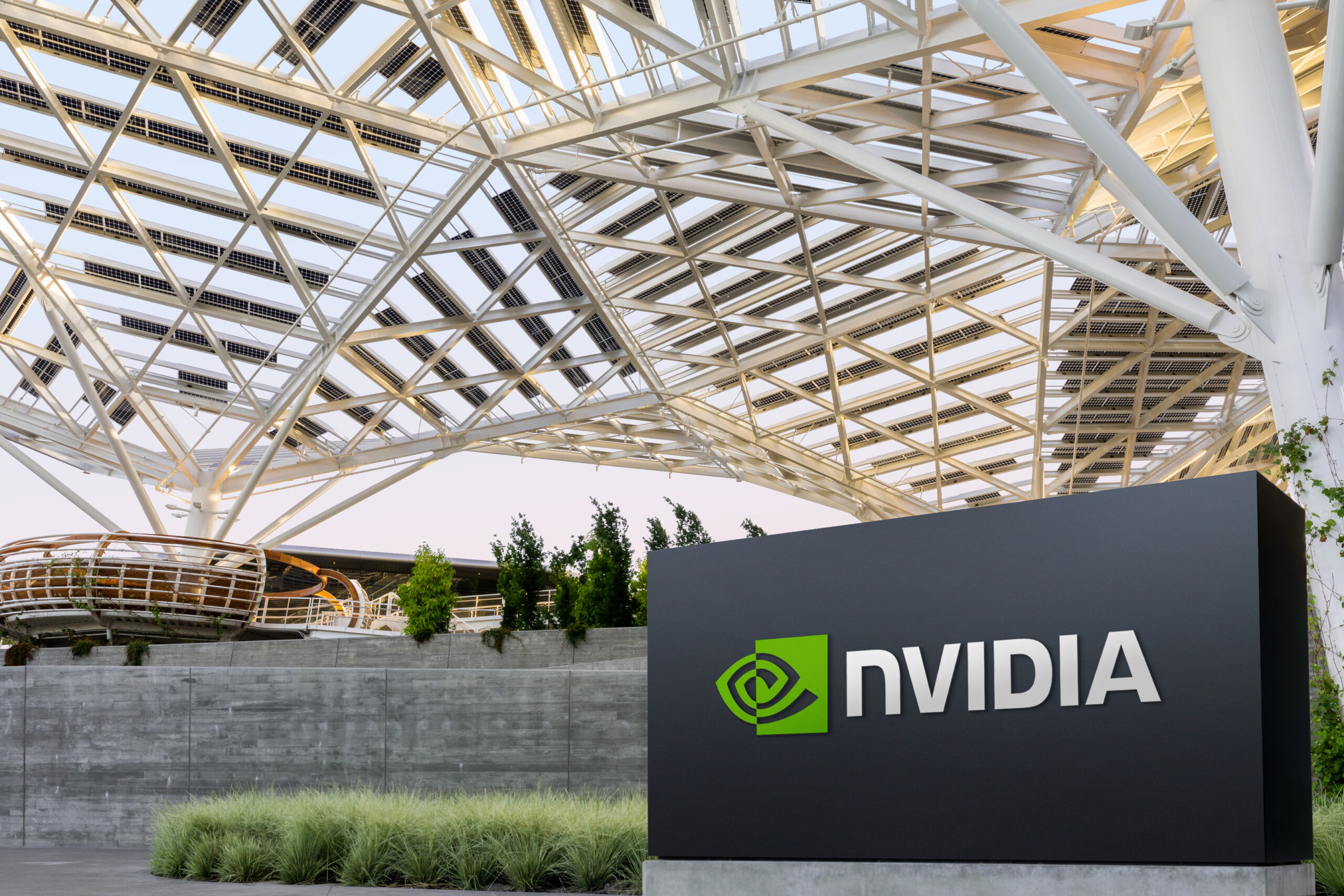
On April 5, 1993, a company that would later become one of the most influential in the world was founded. This company, which we now know as Nvidia, was cofounded in Sunnyvale, California, by Jensen Huang, Chris Malachowsky, and Curtis Priem. While it initially gained recognition for its graphics processing units (GPUs) used in PC gaming, it is the company’s contributions to artificial intelligence (AI) that have propelled it into the spotlight.
Since its initial public offering in January 1999, Nvidia’s shares have surged nearly 464,000%, including dividends paid. This growth has been driven largely by the company’s advancements in AI technology and its ability to meet the growing demand for high-performance computing solutions.
Nvidia’s Dominance in AI
Artificial intelligence is considered one of the most significant technological advancements since the internet’s rise in the mid-1990s. According to PwC analysts, AI could generate over $15 trillion in global economic value by 2030, signaling a potential wave of winners in this space. Among these, Nvidia stands out as a leader.
Nvidia’s GPUs hold a near-monopoly in enterprise AI data centers, with its Hopper, Blackwell, and Blackwell Ultra GPUs setting the standard for compute performance. These chips are not only superior to those of external competitors but also demonstrate the company’s commitment to innovation. Jensen Huang, the CEO, oversees an aggressive product development cycle, aiming to release an advanced AI chip each year.
This consistent innovation makes it challenging for competitors to catch up, especially when they struggle to match the performance of Nvidia’s previous generations of chips.

Challenges and Considerations
Despite its strong position, even the most successful companies face challenges. The rapid increase in Nvidia’s share price since October 2022 may not be sustainable. History shows that many game-changing technologies go through early stages of overvaluation before stabilizing. Investors often overestimate the adoption and optimization of new innovations, leading to bubbles that eventually burst.
While Nvidia’s sales growth indicates strong adoption, businesses may still be years away from fully optimizing AI solutions for maximum profitability. If an AI bubble were to form and burst, Nvidia could be significantly affected.
Additionally, the company’s near-monopoly on data center GPUs may not last indefinitely. Some of its top customers are developing their own AI chips, which, although not as powerful as Nvidia’s, are cheaper and not subject to supply shortages. This trend could reduce the scarcity of AI GPUs and impact Nvidia’s pricing power and gross margin.
Should You Invest in Nvidia?
Before investing in Nvidia, it’s essential to consider various factors. The Motley Fool Stock Advisor analyst team recently identified what they believe are the 10 best stocks for investors to buy now, and Nvidia was not among them. The selected stocks have the potential to deliver substantial returns in the coming years.
For example, if an investor had invested $1,000 in Netflix on December 17, 2004, they would have $532,066 today. Similarly, investing $1,000 in Nvidia on April 15, 2005, would have yielded $1,087,496. The Stock Advisor program has consistently outperformed the market, with an average return of 926% compared to 185% for the S&P 500.
Investors looking to stay ahead of the curve should consider joining the Stock Advisor community, which offers insights and recommendations from individual investors for individual investors.
See the 10 stocks »