
OPEC+ Announces Small Output Rise Amid Supply Shortages
OPEC+ Prepares to Boost Production Amid Middle East Conflict
OPEC+ members are preparing to approve a modest increase in oil production targets for May, despite ongoing conflicts in the Middle East that continue to disrupt actual oil flows. Key producers such as Saudi Arabia and Russia are expected to support a plan to raise quotas by approximately 206,000 barrels per day during a virtual meeting. This adjustment is reported by Bloomberg News, citing delegates familiar with the discussions.
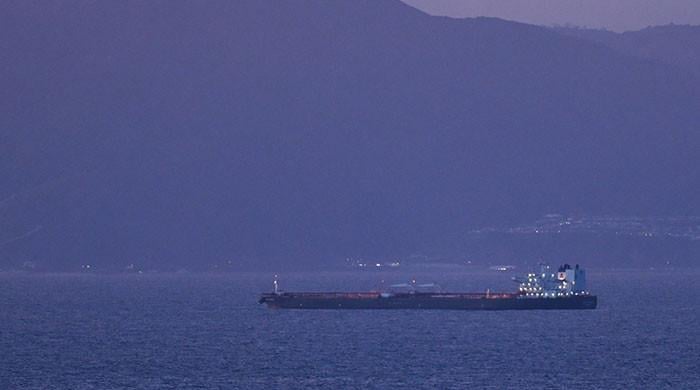
While this increase would formally expand supply targets, its real-world impact may be limited due to current constraints on exports. The conflict in the region has significantly reduced shipments from major Gulf producers like the United Arab Emirates, Iraq, and Kuwait. These disruptions have largely been caused by restrictions on traffic through the Strait of Hormuz, a critical route that typically handles about one-fifth of global oil supply.
As a result, the planned increase is seen more as a signal of intent rather than an immediate boost in output. The move suggests that producers are positioning themselves to ramp up supply quickly if conditions stabilize. Oil markets have been volatile since the conflict began, with prices surging close to $120 a barrel last month before easing slightly. Benchmark crude remained elevated near $109 at the end of last week, reflecting ongoing uncertainty and concerns about prolonged disruptions.
Before the conflict, a group of eight OPEC+ nations had been gradually restoring production cuts introduced in 2023. Output levels were held steady early this year, followed by a similar increase for April that was agreed just as hostilities escalated. Shipping through Hormuz has been severely curtailed for over a month, in what the International Energy Agency has described as an unprecedented supply shock. While vessel traffic has shown tentative signs of recovery, flows remain far below normal levels.
There are some indications of limited easing. Iran has signaled that Iraqi shipments may be allowed to pass through the strait, potentially freeing up a significant volume of exports. However, uncertainty remains over whether shipping companies will take on the risk.
The broader supply picture remains tight. Gulf producers have collectively reduced output by an estimated 10 million barrels per day, roughly 10% of global supply. Even if the conflict ends soon, restoring production and logistics networks could take months.
Additional disruptions are also emerging outside the Middle East. In Russia, energy infrastructure has been damaged by Ukrainian strikes, hampering exports from key Baltic ports and adding further strain to global supply.
If approved, the latest increase would mark partial progress in reversing earlier production cuts, though a significant portion of withheld supply remains offline. OPEC+ ministers and their monitoring committee are expected to review market conditions further during their meeting.
Current Challenges and Market Outlook
The situation in the Middle East continues to pose challenges for global oil markets. The Strait of Hormuz remains a focal point of concern, with its strategic importance making it a critical chokepoint for international trade. The ongoing conflict has led to increased volatility in oil prices, with traders closely watching for any signs of stabilization.
In addition to the conflict, other factors are influencing the oil market. The damage to Russian energy infrastructure has further complicated supply chains, creating additional uncertainty for global buyers. This has led to a more complex landscape where multiple variables can impact oil prices and availability.
Market analysts are closely monitoring developments, particularly regarding the potential for renewed tensions or diplomatic breakthroughs. The outcome of these discussions will likely play a significant role in shaping the future of oil markets.
Future Prospects
Despite the current challenges, there are signs that the situation may improve. If the flow of oil through the Strait of Hormuz resumes, it could alleviate some of the pressure on global supply. Additionally, any agreements between regional powers could help reduce the risk of further disruptions.
However, the path to stability is not without obstacles. Political tensions, logistical challenges, and the unpredictable nature of the conflict all contribute to the uncertainty surrounding oil markets. As such, investors and policymakers must remain vigilant and prepared for continued fluctuations.
In summary, while OPEC+ is taking steps to increase production, the broader context of the Middle East conflict and other global factors means that the oil market remains in a state of flux. The coming weeks and months will be crucial in determining the direction of prices and supply dynamics.