Rising Fuel Costs Drive Push to Pause Federal Gas Tax
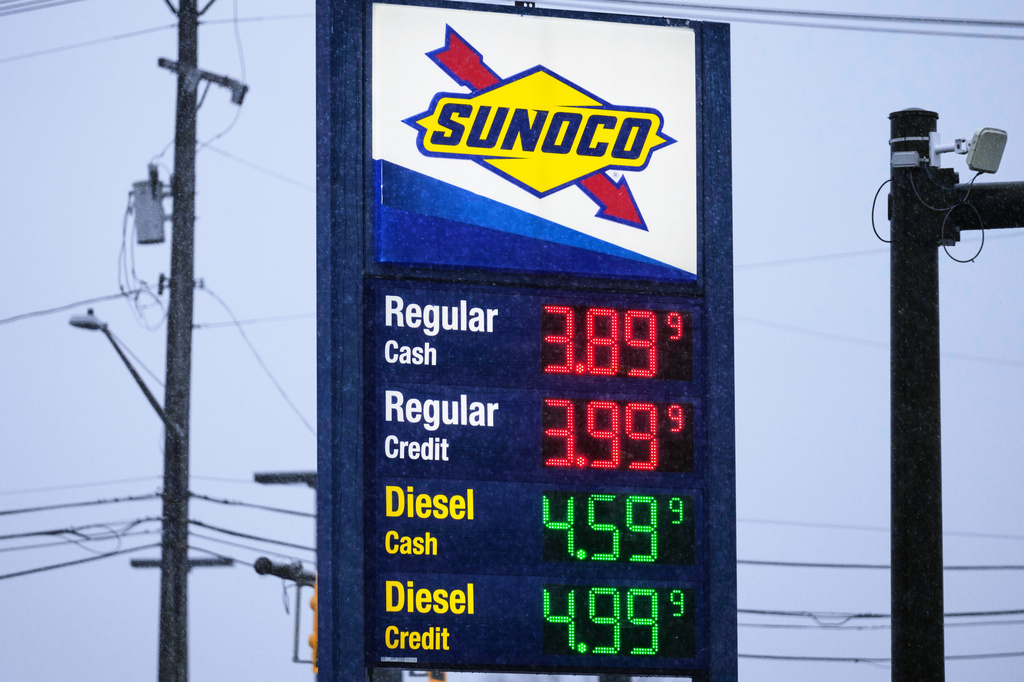
WASHINGTON — As the ongoing conflict in Iran continues to drive U.S. gas prices toward $4 per gallon nationwide, some members of Congress are advocating for a temporary suspension of the federal gasoline tax as a way to ease the burden on consumers and businesses.
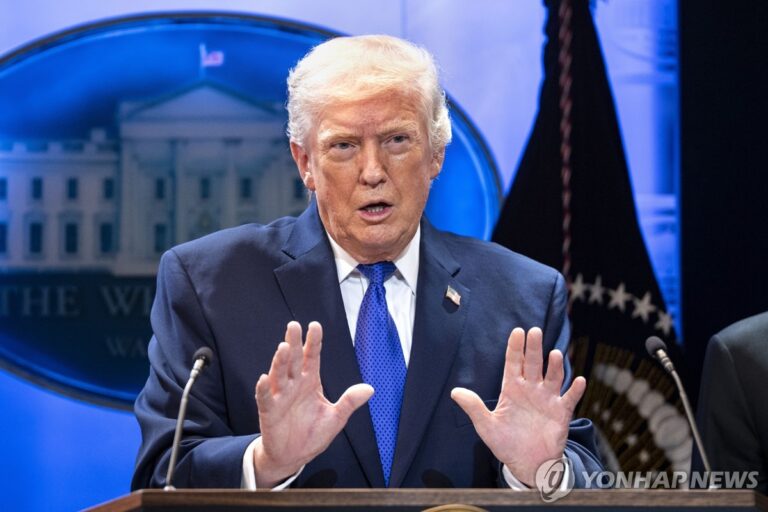
Lawmakers argue that such a move would offer immediate relief to families and companies that depend on vehicles for daily activities, including commuting and running errands. During a recent Cabinet meeting, President Donald Trump was asked about the potential of suspending the gas tax. He responded by saying he has “thought about” it but suggested that states might consider similar actions.
“People have talked about” a gas tax suspension, Trump said. “It’s something we have in our pocket if we think it’s necessary.”
In response to rising fuel costs, the Trump administration has taken several steps, including releasing millions of barrels of oil from the U.S. Strategic Petroleum Reserve and temporarily lifting sanctions on certain Russian and Iranian oil shipments already at sea. Additionally, the U.S. is working with countries that rely on Middle East crude to form a coalition aimed at securing the Strait of Hormuz, a critical route for global oil trade.
What Is a Gas Tax Holiday?
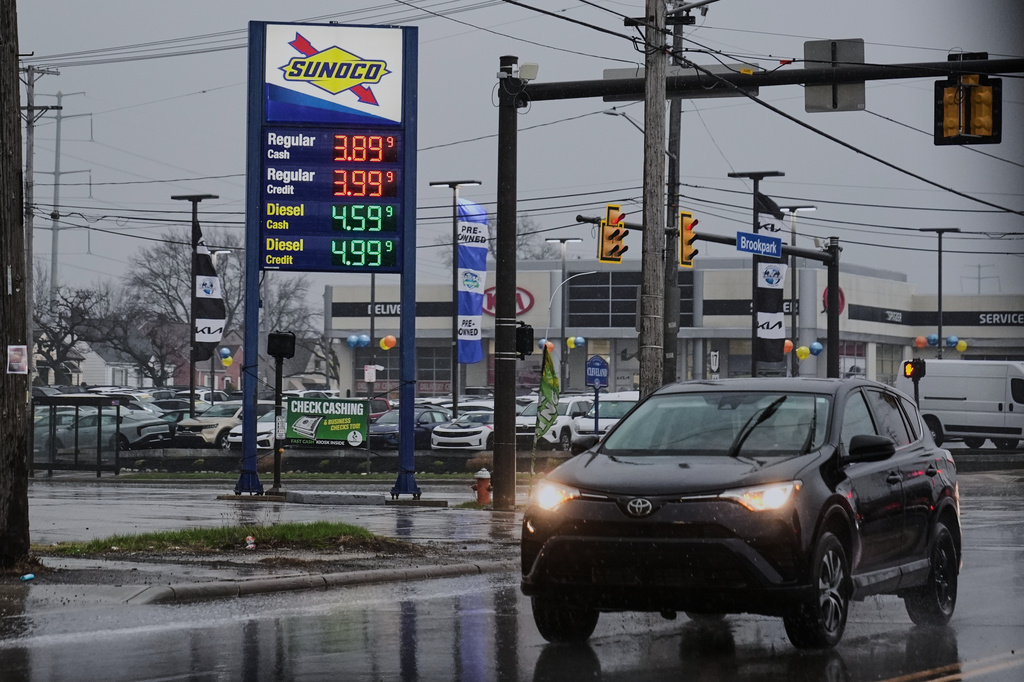
A gas tax holiday refers to a temporary suspension of the federal gasoline tax, which currently stands at 18.4 cents per gallon for gasoline and 24.4 cents per gallon for diesel. This does not include state taxes, which can be significantly higher in some areas.
The federal gasoline tax generates over $23 billion annually, funding federal highway and public transit programs. However, the president cannot unilaterally suspend the tax; Congress would need to approve any such measure.
Political Considerations
Both the House and Senate are under Republican control, and any legislation related to a gas tax suspension would likely require support from President Trump to move forward. While the idea has gained traction, it remains uncertain whether such bills will pass without clear presidential backing.
Potential Impacts of a Suspension
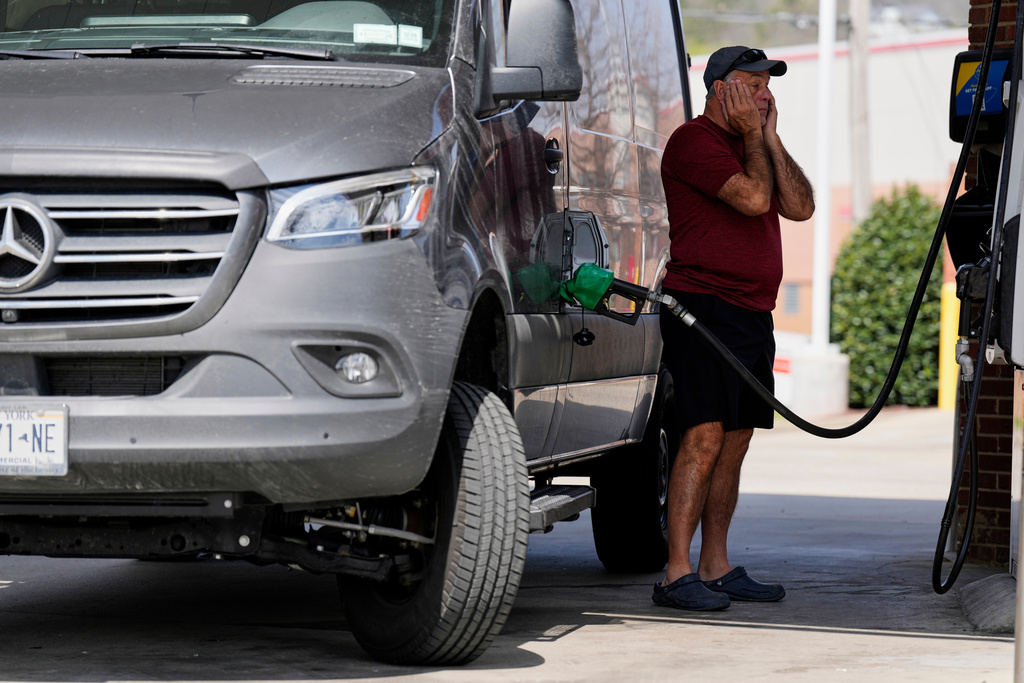
Rising gas prices are placing additional financial strain on households, particularly for low- and middle-income Americans who may struggle to afford increased transportation costs. These price hikes can influence driving habits, travel choices, and overall spending patterns.
Sen. Richard Blumenthal, a Connecticut Democrat, criticized the administration for its policies in Iran, stating that they are contributing to higher gas prices. He co-sponsored the Gas Prices Relief Act, which would suspend the federal tax through October. A similar bill was introduced in the House by Rep. Chris Pappas of New Hampshire.

Industry Concerns
Despite the potential benefits, industry groups caution against the long-term consequences of a gas tax suspension. The American Road & Transportation Builders Association, representing the transportation construction sector, warns that such a move could increase the federal deficit and jeopardize the sustainability of highway and transit programs.
The association also notes that many retailers do not fully pass on tax reductions to consumers. Furthermore, gas prices are influenced by a complex set of factors, including global oil prices, making the impact of a tax suspension less predictable.
State-Level Actions
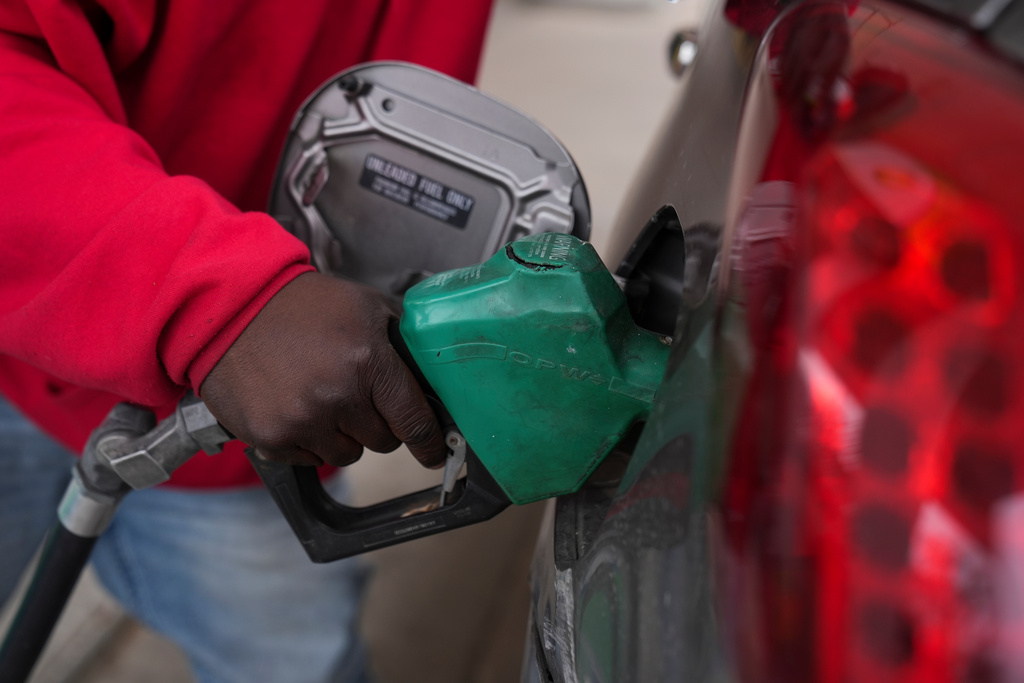
Several states have taken independent action to lower their gas taxes. For example, Georgia Governor Brian Kemp signed a 60-day suspension of the state’s 33-cent-per-gallon gas tax and 37-cent-per-gallon diesel tax. Early results show some positive effects, with gas prices in Georgia dropping more than the national average.
Other states, including California, Connecticut, Florida, Maryland, and Utah, are considering similar measures. Connecticut Governor Ned Lamont has proposed a temporary suspension of the state’s gas and diesel taxes, though it remains unclear if it will be implemented. Meanwhile, Florida Governor Ron DeSantis has expressed skepticism about the effectiveness of such measures, citing past experiences where consumers did not see significant savings.
Tips for Saving on Fuel
For drivers looking to reduce costs, Consumer Reports recommends maintaining a steady speed and avoiding abrupt acceleration or braking. Driving at a consistent 55 mph can improve fuel economy by 6 to 8 miles per gallon. Additionally, using regular gasoline instead of premium, when possible, can save money at the pump.
Speeding not only increases fuel consumption but also poses safety risks. By adopting efficient driving habits, motorists can make a meaningful difference in their fuel expenses.