Sweat Equity Housing Programs in Utah Forced to Close Amid Loan Limits and Challenges
Understanding the Impact of New Loan Limits on Utah’s Housing Programs
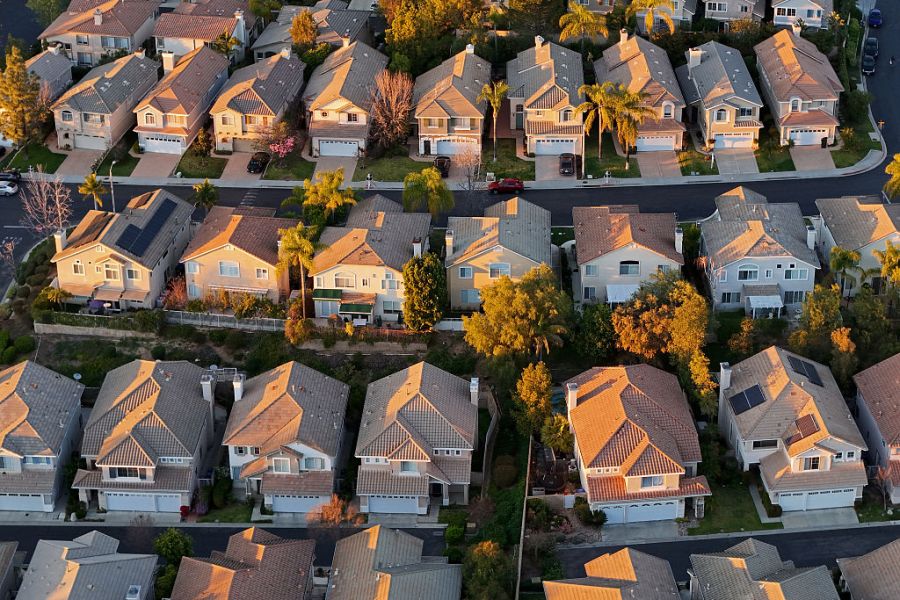
Housing programs in Utah that assist families in building their own homes are encountering significant challenges due to recent changes in federal loan limits. These adjustments have forced some programs to halt operations, creating a ripple effect across communities that rely on these initiatives for affordable housing.
Self-Help Homes is one of nine organizations in Utah that operates mutual self-help housing programs. According to Brad Bishop, the executive director, these programs bring together groups of eight to 13 families who build each other’s homes under the guidance of a construction supervisor. This collaborative approach not only fosters community but also reduces the overall cost of home construction.
In February, the U.S. Department of Agriculture (USDA) adjusted the loan ceiling for its 502 program, which provides loans to families participating in mutual self-help housing initiatives. The new limits have significantly impacted the budgets of these programs. For instance, in Utah County, the limit dropped from $481,000 to $360,000, while in Washington County, it fell to $364,000. These reductions make it more challenging to construct even modest homes within the allocated budget.
Bishop explained that families involved in the program contribute “sweat equity” by helping each other build their homes, which helps lower costs. However, the new loan limits are making this process more difficult. To address this issue, the USDA has introduced changes that allow programs to seek additional financing beyond the loan limit. They have also permitted appraisals to be higher than the loan amount, especially in areas where home values are high. Utah is part of a pilot program testing these modifications.
Adapting to New Financial Constraints
Bishop noted that the lower loan limits make it harder to fit the home itself into the budget. As a result, Self-Help Homes will need to secure low-interest or no-interest loans that align with the USDA loan to ensure affordability for low-income families. These additional funds will come from the state, as well as local counties and cities.
However, not all mutual self-help housing programs in Utah have access to such support. Some are struggling to meet the new loan limits and are being forced to shut down their programs. One such organization is the Neighborhood Nonprofit Housing Corporation (NNHC) in Logan, which recently announced the closure of its mutual self-help program. NNHC has operated for 26 years and helped nearly 750 families build affordable homes. While the organization continues to run other programs, the mutual self-help initiative was its flagship offering.
The Broader Implications
The shutdown of these programs has raised concerns among advocates and community leaders. NNHC emphasized that their program was designed as a “hand up, not a handout,” aiming to empower families through homeownership. They hope that Congress will take steps to restore the program’s functionality so that it can once again provide the benefits of homeownership to families in Utah.
Utah Governor Spencer Cox has made affordable housing a priority, pledging to construct 35,000 new single-family homes by 2028. In response to the challenges posed by the new loan limits, NNHC has received support from Cox and Utah’s Congressional delegates. Bishop remains hopeful that they will continue to work with the USDA and the Trump administration to address these issues.
Bishop suggested that the changes might be reversed in the future, but in the meantime, Self-Help Homes is grateful for the partnerships that help bridge the financial gap. He noted that 38 applications were under consideration when the changes took effect, and some were deemed eligible. However, the loans they were set to receive now exceed the cap. A few families managed to close their loans before the change, but at least one was unable to secure funding in time.
The Legacy of Mutual Self-Help Housing
Self-Help Homes has built over 700 homes in four Utah counties: Wasatch, Juab, Utah, and Washington. Across the state, mutual self-help programs have constructed a total of 2,400 homes. These programs have played a crucial role in providing affordable housing options for families, particularly those with limited resources.
As the new loan limits continue to impact housing initiatives, the need for adaptive strategies and continued support from both federal and local entities becomes increasingly important. The success of these programs depends on the ability to navigate financial constraints while maintaining the core principles of community collaboration and empowerment.