Oil Prices Surge to Record Premium as Trump Threatens Iran Attacks
The Rise in Crude Oil Prices and Market Reactions
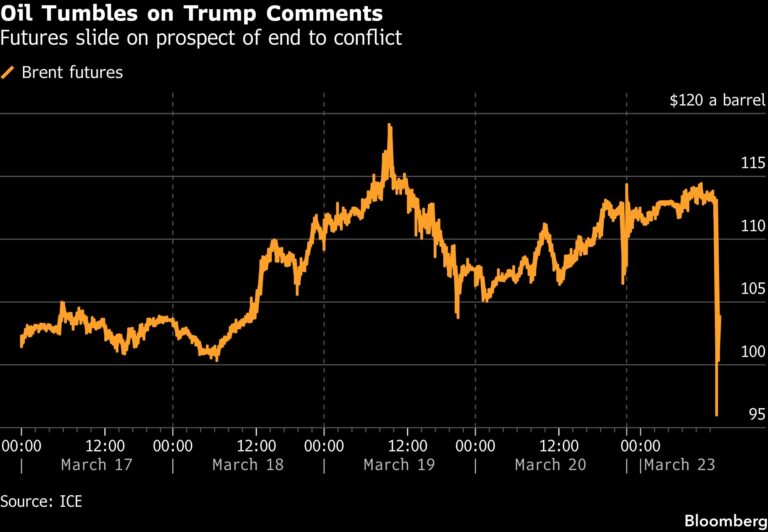
U.S. crude oil futures for immediate delivery hit an unprecedented premium over the second-month contract, reflecting a surge in demand and uncertainty in the market. This phenomenon, known as backwardation, indicates that traders anticipate tighter supplies in the near term rather than further ahead. On Thursday, WTI crude futures for May delivery traded up to $16.70 per barrel higher than the June contract, reaching a session high of $113.97 before settling at $111.42.
The ongoing U.S.-Israeli conflict with Iran has significantly impacted the global oil market. As the fifth week of the conflict approaches, millions of barrels per day have been removed from the market, leading to energy price surges and fuel shortages in countries dependent on oil and gas transported through the Strait of Hormuz. Approximately 20% of the world’s oil typically flows through this critical chokepoint, which is now blocked due to the conflict.
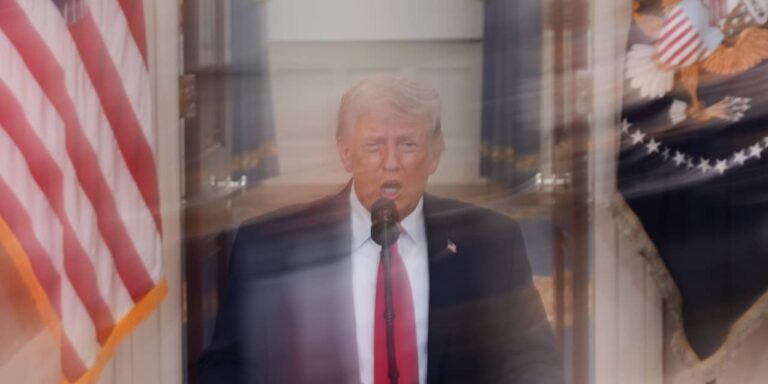
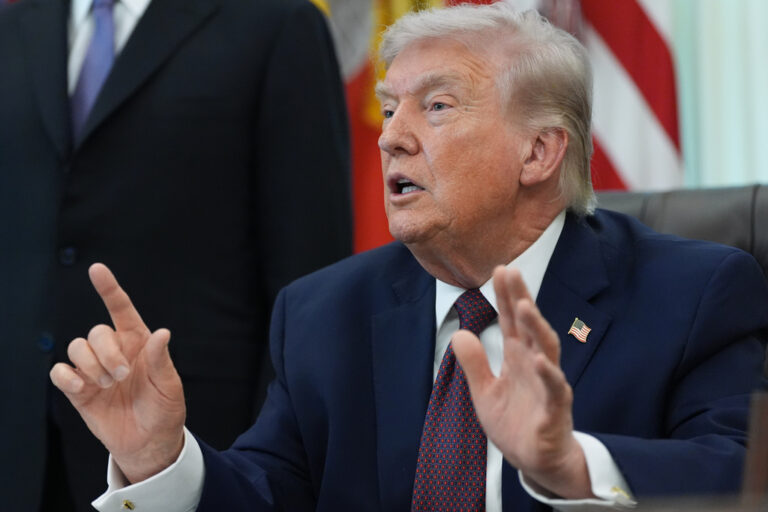
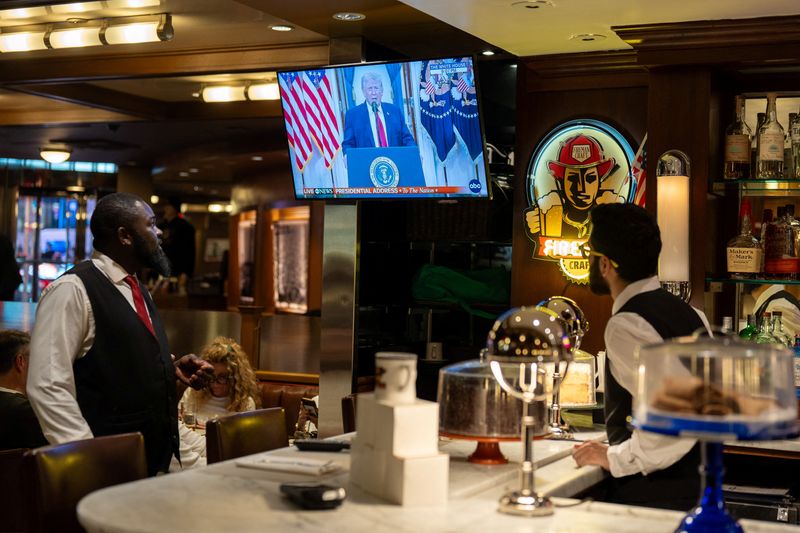
President Donald Trump’s recent speech emphasized continued attacks on Iran, though he did not provide a clear plan to restore shipping traffic through the strait. He suggested other nations should take the lead in clearing the passage.
Potential Impact on Drilling Activities
Despite the sharp increase in prices for immediate delivery, oil prices for future months have also risen, albeit less dramatically. These increases could encourage producers to restart drilling operations. For instance, oil for October delivery, a key indicator for companies considering increased drilling, is currently trading around $73.64, representing a 13% rise since the war began in late February.
Andy Hendricks, CEO of Patterson-UTI, one of the largest land-based drilling contractors in the U.S., noted that the current situation in oil prices may prompt some U.S. operators to begin drilling and completing more wells later this year. However, he emphasized that the focus should be on the expected oil prices in six to nine months.
Kirk Edwards, president of Latigo Petroleum, expressed cautious optimism about new drilling activities later this year but highlighted that prices would need to remain above $75 a barrel for the rest of the year and into 2027.
Oil rigs in the U.S. have increased by two to 411 this week, according to energy service company Baker Hughes.
Consumer Concerns and Production Hesitations
While rising oil prices are a concern for consumers, Dallas Federal Reserve President Lorie Logan indicated that U.S. oil producers are unlikely to boost output immediately. She noted that producers need a sense that higher prices will persist for a while before increasing production. Logan stated she is not hearing about a “dramatic increase in production here in the short run.”
Bryan Sheffield, founder of Formentera Partners, pointed out that the significant discount in crude prices for May 2027 delivery—currently at $68.43 compared to front-month crude futures—creates hesitation among drillers. This $40 spread is seen as a challenge, making it difficult to underwrite drilling programs.
Sheffield, who previously led Parsley Energy, mentioned that he is considering adding a rig and extending contracts. However, he finds it frustrating that the back months are not moving as expected. The uncertainty surrounding future prices continues to affect decision-making in the industry.