Minyak Mentah AS Melonjak 11% Saat Trump Mengancam Serangan Iran
Rising Oil Prices Amid Geopolitical Tensions
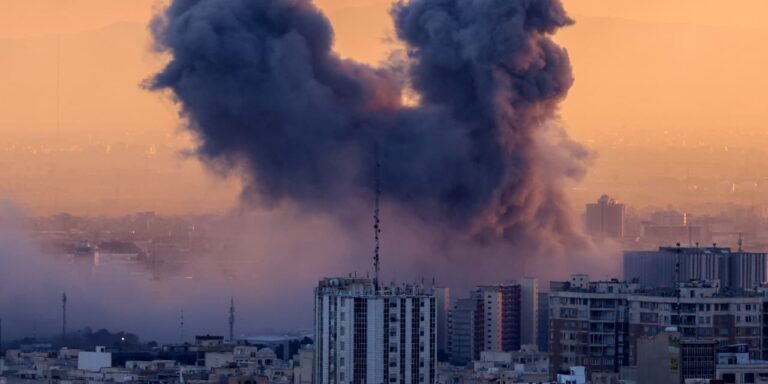
U.S. oil prices experienced a significant surge, with both the U.S. West Texas Intermediate (WTI) and Brent crude futures seeing substantial gains on Thursday. The volatile market conditions were driven by concerns over prolonged disruptions to oil supply following President Donald Trump’s statements regarding continued military actions against Iran.
Brent crude futures closed at $109.03 per barrel, marking an increase of $7.87 or 7.78%. Meanwhile, WTI crude futures climbed by $11.42, or 11.41%, reaching $111.54 per barrel. This marked the largest absolute price rise for WTI since 2020. Despite these increases, both benchmarks remained below the recent highs near $120 a barrel.
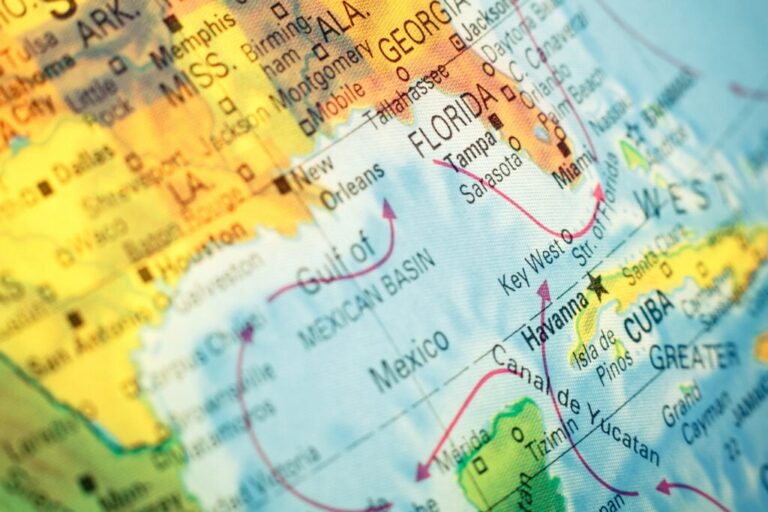
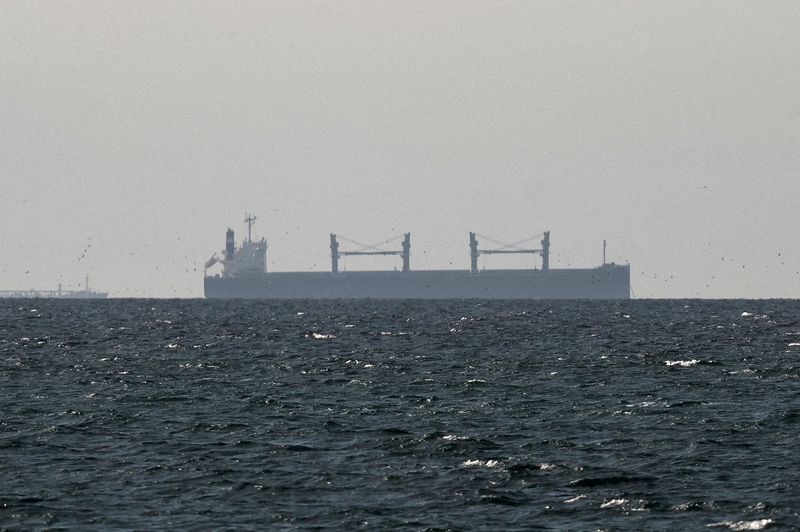
Trump emphasized that military operations would be intensified but did not provide a specific timeline for ending hostilities. He also omitted details on potential steps to reopen the Strait of Hormuz, a critical waterway through which a fifth of global oil and liquefied natural gas is transported.
Iran has reportedly drafted a protocol with Oman to monitor traffic in the strait, as reported by Bloomberg. This development comes after Iran effectively shut down the narrow waterway in retaliation for U.S.-Israeli strikes that began on February 28. Reopening the strait has become a priority for governments worldwide as energy prices continue to climb.
Dennis Kissler, senior vice president of trading at BOK Financial, noted that traders are concerned about the potential risk to Iran’s oil infrastructure. “The real question on traders’ minds is that if Iran’s oil infrastructure is possibly now at risk, and with more damage in the area now very likely, even if left intact the restart of oil flows in the region (is) now looking to be delayed further,” he said.
Market Dynamics and Price Projections
The WTI crude was priced nearly $3 over Brent as the U.S. contract was trading for May deliveries, while the Brent contract was for June deliveries. This premium represented the highest in a year. John Kilduff, Partner at Again Capital, suggested that if the Strait of Hormuz opens up in a couple of weeks, this risk premium could immediately decrease.
Federal Reserve Bank of Dallas President Lorie Logan highlighted that a swift resolution to the conflict could result in moderate economic impacts. However, she acknowledged the uncertainty surrounding the economic outlook due to the ongoing crisis. Logan also mentioned that the United States has some buffers to withstand the war’s effects.
Citi projected that Brent crude prices could average $95 a barrel in the base case and $130 a barrel in the bull case for the second half of the year. JP Morgan estimated that oil prices could climb to between $120 and $130 a barrel in the near term, with the potential to exceed $150 if the Strait remains closed into mid-May.
Industry Response and Future Outlook
Energy services firm Baker Hughes reported that U.S. oil rigs increased by two to 411 this week. An increase in prices for future oil deliveries has prompted producers to consider adding more rigs. However, they have cautioned that they would prefer to see higher prices persist for a longer period before making such decisions.
Front-month WTI traded at its largest-ever premium over the second-month and seventh-month contract on Thursday.
International Efforts to Reopen the Strait of Hormuz
Britain is hosting a virtual meeting involving around 40 countries to discuss options for reopening the Strait of Hormuz. Notably, the United States is not scheduled to attend this meeting.
Meanwhile, OPEC+ is expected to consider a further increase in oil output on Sunday. This move would allow members to add more barrels should the Strait of Hormuz reopen, although it is unlikely to significantly boost supply before then.
In Russia, Ukraine’s strikes on port infrastructure, pipelines, and refineries have reduced export capability by 1 million barrels per day, or a fifth of total capacity. This reduction could set the stage for imminent production cuts.
The head of the International Energy Agency warned that supply disruptions would begin to impact Europe’s economy in April, as the region had previously been shielded by cargoes contracted before the start of the war.