Investors Dither After Trump’s Iran Speech, Halting Two-Day Stock Rally
Market Reactions to Trump’s Speech on the Iran Conflict
Wall Street faced a mixed response to President Trump’s recent address regarding the ongoing conflict with Iran. In a prime-time speech on Wednesday, the president assured that the U.S. would eventually end the war and that the Strait of Hormuz would “open up naturally” after that. However, he also warned of hitting Iran “extremely hard” in the coming weeks, which led to a surge in oil prices above $100 a barrel and erased a two-day rally known as “Hormuz Hope.”
Investors were not entirely satisfied with the lack of a clear timeline for exiting the conflict, especially since they hoped for a return of 10 million barrels of oil per day through the Persian Gulf. Brad Long, chief investment officer at Wealthspire, noted that markets seemed to step back, questioning whether they were truly on an off-ramp from the conflict.
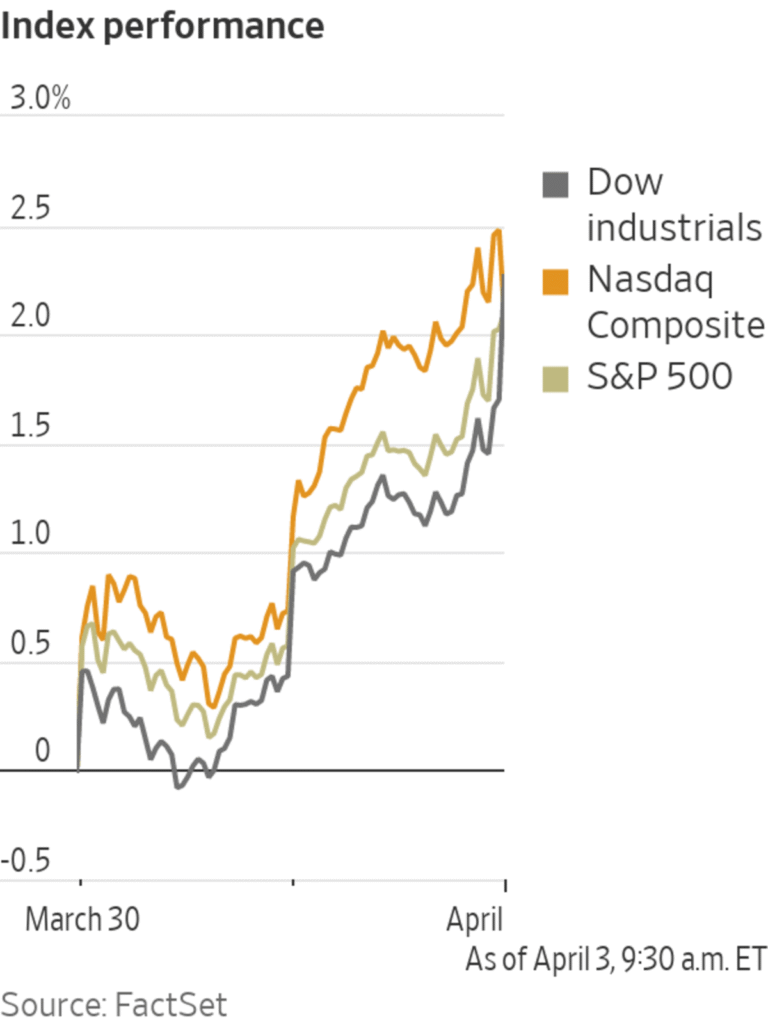
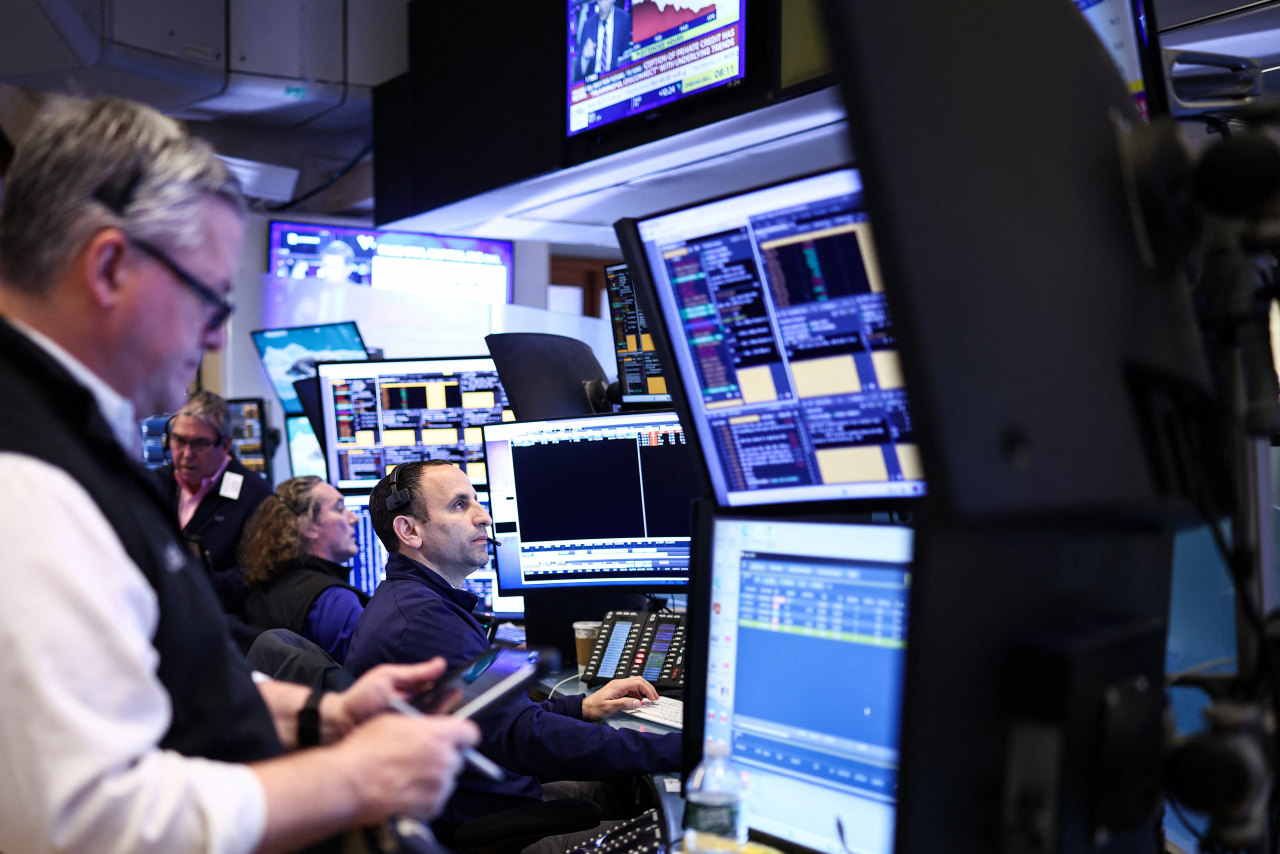
The major U.S. stock indexes experienced sharp declines at the opening bell but managed to recover most of their losses by midday. The Dow Jones Industrial Average closed down 0.1%, or 61 points, while the Nasdaq rose 0.2%. The S&P 500 saw a slight increase of 0.1%.
Upcoming Economic Data and Market Uncertainty
Friday’s monthly jobs report will provide an update on the state of the nation’s labor market. However, with U.S. stock markets closed for the Good Friday holiday, investors will have to wait to trade on the news. Rob Thummel, a senior portfolio manager at Tortoise Capital, remarked that there is always a lot of uncertainty during weekends under Trump’s administration.
Meanwhile, holiday travelers are facing an average nationwide gasoline price of $4.08 per gallon, with airfares skyrocketing due to increased energy costs. Benchmark U.S. crude futures surged 11% higher Thursday, reaching $111.54 a barrel, while the global Brent crude benchmark rose 7.8%.
Oil Price Volatility and Market Behavior
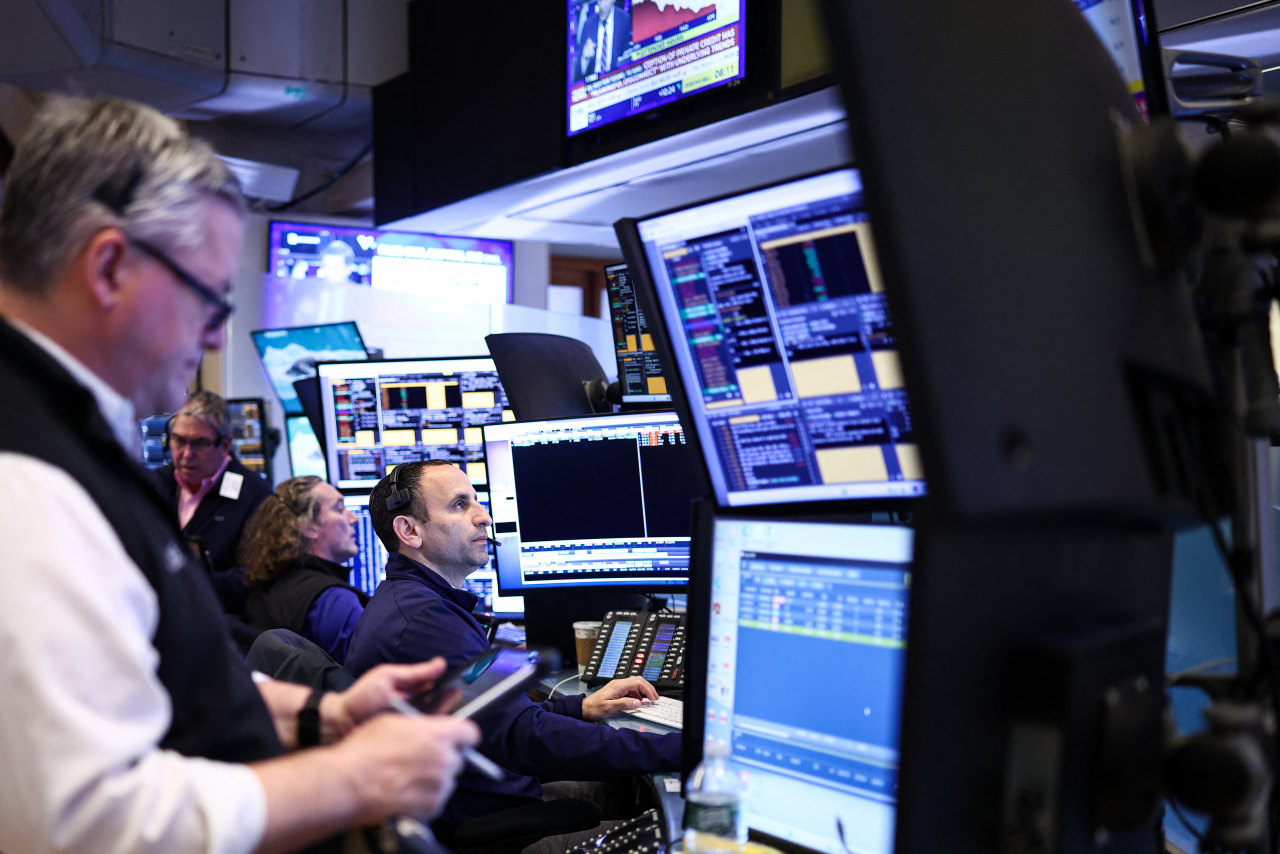
As the war in the Middle East stretched into its fifth week, traders continued to react to Trump’s words as if they were an economic data release or a major corporate earnings report. They bought and sold assets based on every new social-media post from the president, even when these updates arrived outside of regular market hours.
Thursday’s swings in oil prices were part of a highly volatile market where traders have been closely monitoring any new information, leading to movements that often have little connection to the actual disruption of physical supplies. Trump’s speech contained little that was new, but it was enough for traders to bid up the price of near-term oil deliveries.
Oxford Economics highlighted that the key risk lies in the Strait of Hormuz, noting that the address lacked clarity or a plan for reopening it, which will continue to put upward pressure on oil prices.
Economic Indicators and Global Impact
Benchmark 10-year yields fell slightly to about 4.312%, compared to just below 4% before the war. Concerns over higher oil prices driving inflation and prompting a more hawkish stance by central banks led to a drop in gold futures by 2.75% on Thursday, despite closing the week up and ending a four-week losing streak.
Trump’s insistence that other countries “build up some delayed courage” to take the Strait of Hormuz from Iran has not swayed global allies like France’s Emmanuel Macron, who called a takeover by force unrealistic. On Thursday, the U.K. convened diplomats from over 40 countries to discuss how to reopen the strait without military force and keep it secure postwar, comparing its closure to a hijacking of the global economy.
Asian Markets and Supply Chain Concerns
Declines in Asian stock indexes, which opened first after Trump’s speech, reflected the vulnerability of companies in countries most affected by the continuing energy shock. This contributed to a global consensus that a rapid rise in oil prices was spilling into a wider supply crisis.
Analysts from J.P. Morgan noted that the oil market entered the shock with ample inventory buffers, but these stocks are now being steadily drawn down.
Stock Performance and Risk Management
In other market developments, shares of Tesla dropped more than 5% after the company reported that deliveries were up in the first quarter but fell short of Wall Street estimates. The volatility in oil prices has left high-risk traders scrambling to position themselves for fallout from the war, often using leveraged exchange-traded funds linked to energy stocks.
Direxion managing director Edward Egilinsky warned that a market that can rise and fall with a single tweet comes with significant potential for loss. He emphasized the importance of being prepared, stating, “You got to be prepared, if you’re wrong, to lose money.”