
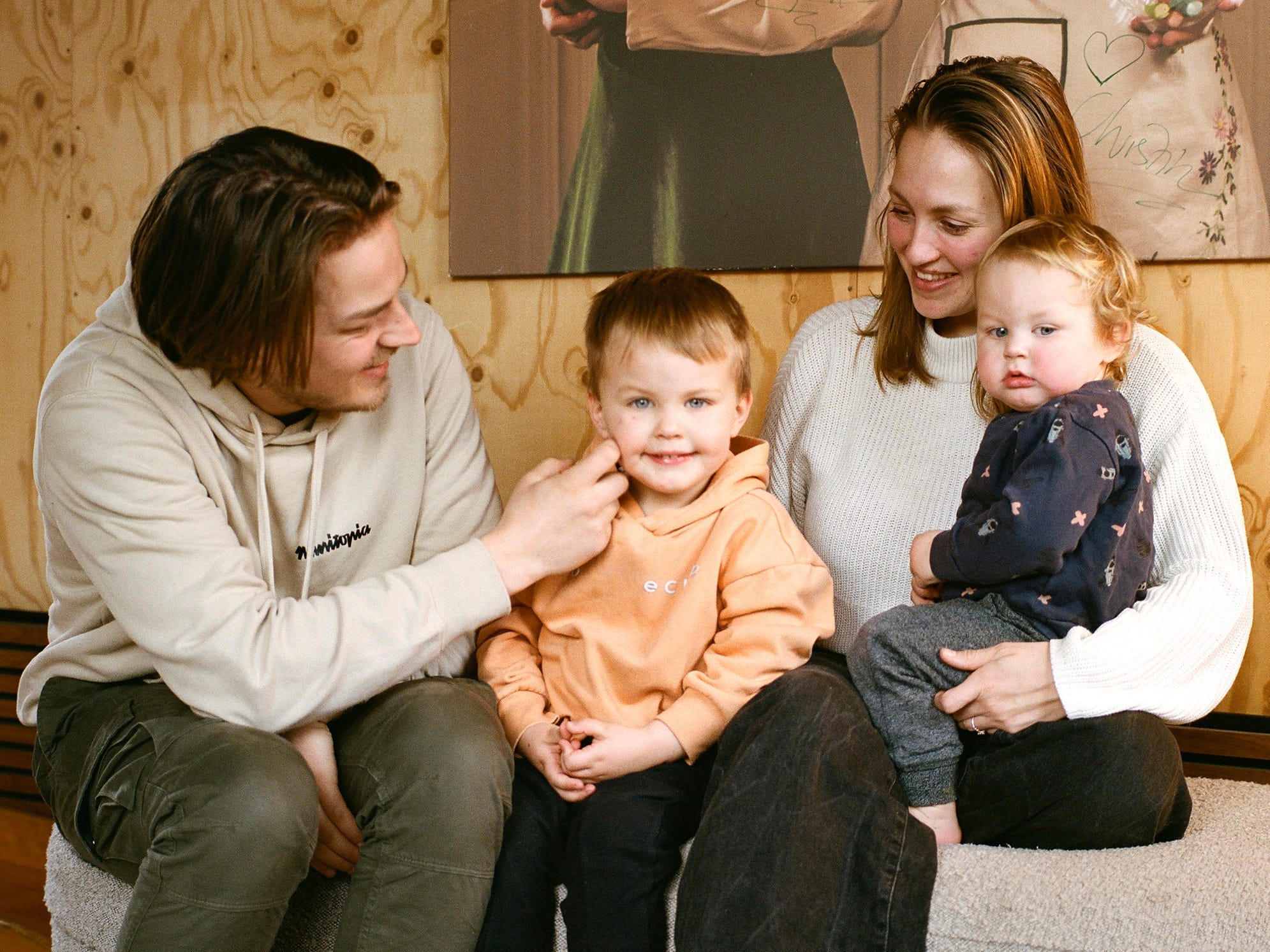
Raising Toddlers in a Tiny Home: Working 3 Days a Week and Saving Half Our Income
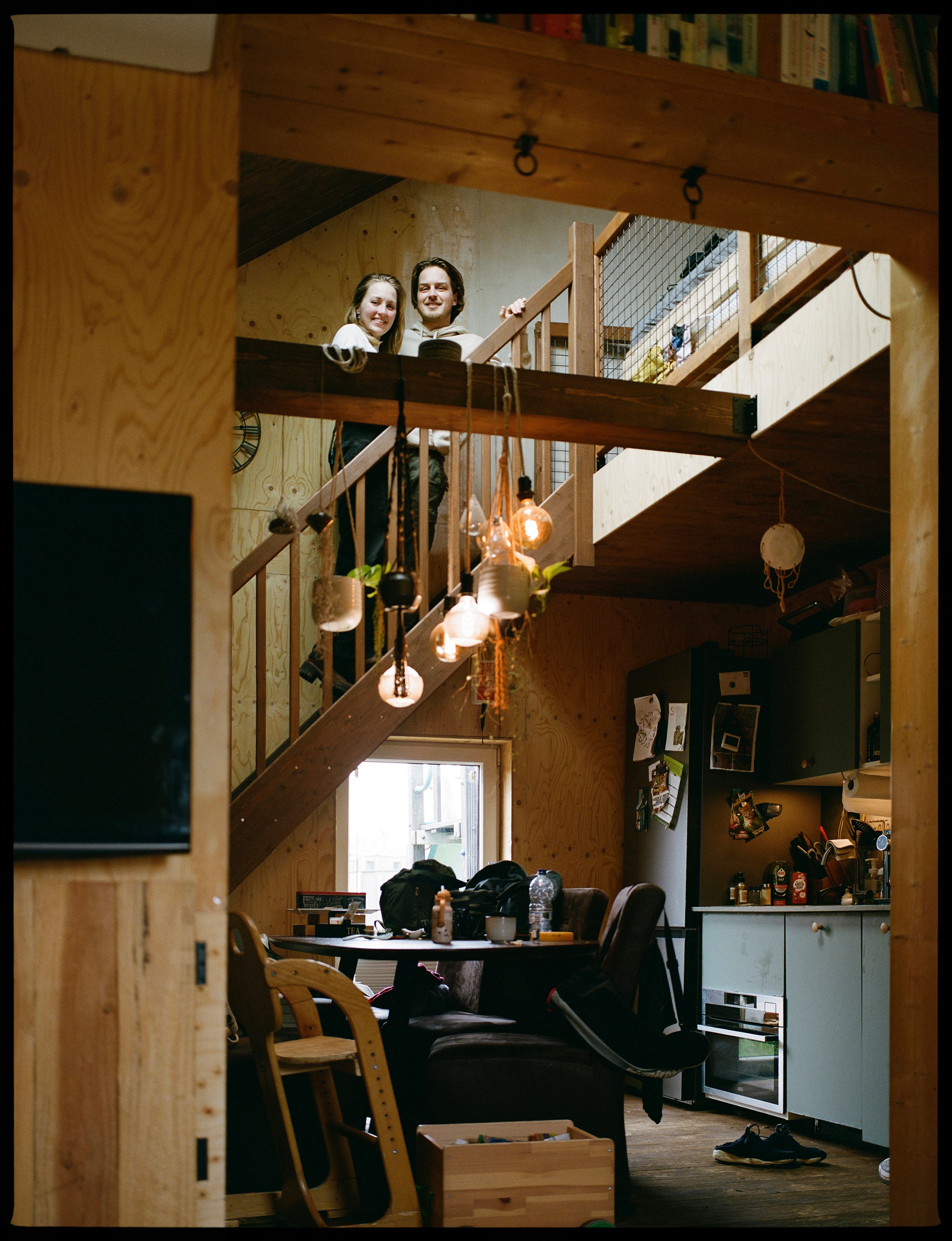
Jos van der Meulen and Fenna Wit, both 29, constructed a tiny house for approximately 75,000 euros ($87,000). The couple enjoys a mortgage-free lifestyle, with housing costs low enough to allow them to save a significant portion of their income. This financial flexibility enables them to work only three days a week, giving them more time to spend with their two children.
The couple resides in a tiny home village in Eindhoven, the Netherlands, where they live with the Minitopia Foundation. Their financial details have been verified by Business Insider. This as-told-to essay is based on conversations with Fenna Wit, a data analyst, and Jos van der Meulen, who works for the Minitopia Foundation. The piece has been edited for length and clarity.
Financial Freedom Through Tiny Living
Jos shared that they are proud of building their tiny house without taking out any loans. With no mortgage, their monthly housing expenses amount to about 800 euros, which includes insurance, utilities, and renting a plot from Minitopia. After covering all their living expenses, they manage to save over 3,000 euros each month from their combined monthly income of around 5,500 euros.
Saving nearly 60% of their income at the age of 29 is uncommon, especially considering they only work three days a week. The tiny home has given them a level of financial freedom that many people can only dream of.
A Desire for Lower Expenses
Fenna explained that the main reason they wanted to get on the property ladder was to keep their expenses low. Renting in the Netherlands is expensive, and buying a large home in the city is even more so. They didn’t want to stress about money or feel like they were working just to survive.
Jos added that most of his friends are either living with their parents or struggling to make ends meet. They didn’t want that kind of life, so they started looking for alternatives, including building their own house.
Fenna discovered self-built tiny houses while scrolling through Instagram and thought it could be perfect for them. They looked cute, seemed affordable, and the idea of designing their own home appealed to them. They researched and found tiny home villages like Minitopia, where they could rent a plot of land and build their own house. Visiting these places gave them inspiration and excitement about the idea.
Funding the Build
Jos revealed that they used their savings to fund the construction of their tiny home. When they started building the house in May 2022, they moved into a large shed in his parents’ backyard to save money. They planned to live there for six months but ended up staying for a year and a half. All the money they earned during that time went into the build.
They didn’t find the process stressful because Jos knew he could ask his parents for help if needed. In the end, they didn’t have to, though the build took about six months longer than planned.
Challenges of Raising a Family
Fenna mentioned that raising a baby in a tiny home was tough at first. They moved into the house in May 2023, before it was completely finished, with their then seven-month-old son, Flip. Their second son, Kik, was born in October 2024, making their family of four.
It was challenging initially because they suddenly had more things to fit into the small space, such as the stroller, crib, and baby gear. As soon as Kik was old enough, they gave away what they didn’t need, and it started to feel less cramped.
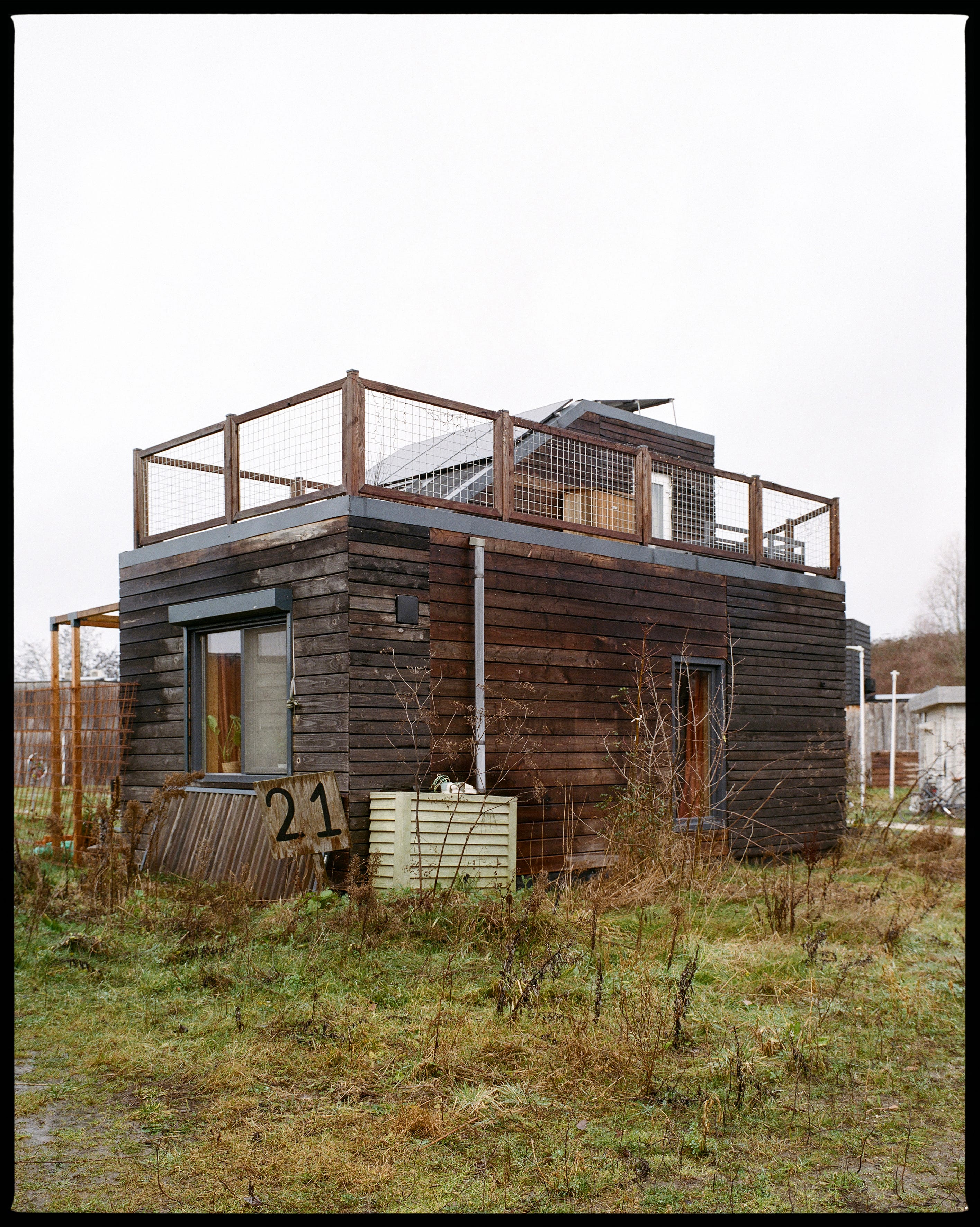
Jos admitted that they underestimated how much clutter they owned. Even now, keeping a tiny home tidy can be a real challenge, especially with two young children.
Fenna noted that the lack of space also makes it harder to host family gatherings. That’s a downside of living in a tiny house, though she isn’t convinced it would be worth having a much bigger kitchen for the few times a year they’d host celebrations.
Working Fewer Days
Fenna highlighted that one of the biggest benefits is being able to work only three days a week. Before having kids, she worked four days a week, but with children, that felt too much. Parenting takes a lot of energy, and they’re often tired, so it helps not having to work full-time now.
If they wanted, one of them could afford to stop working altogether. They work because they want to, not because they have to. Working only three days a week means they have a lot of time at home with the kids, which was important to her.
Another benefit is knowing they’ll never be in a position where losing a job would mean losing their home. They don’t have a mortgage, and they only spend about a third of what they earn.
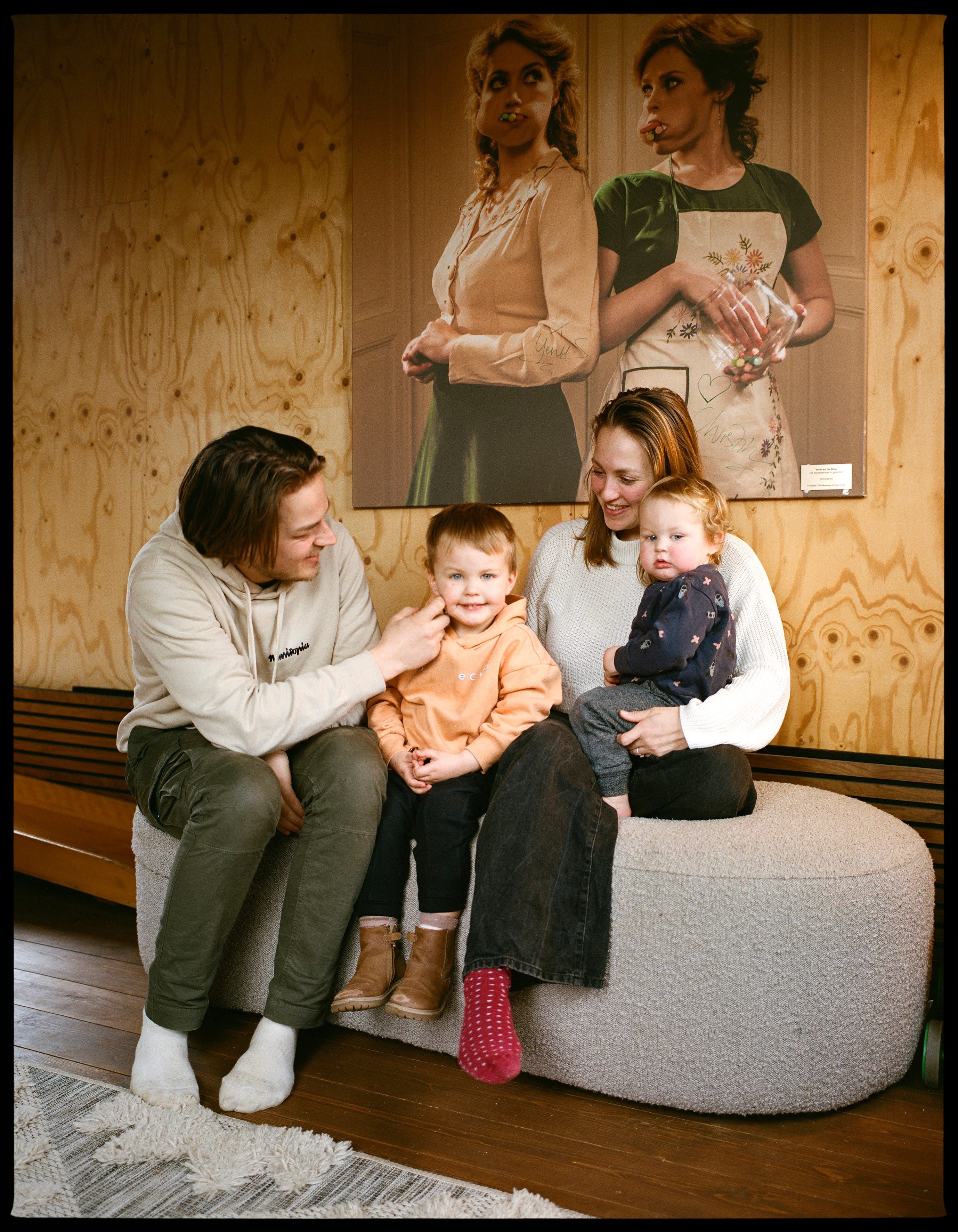
Jos added that when your expenses are low, it takes away a lot of stress. They still budget, but not out of fear of running out. They just like to keep costs down. They never have to turn something down because they can’t afford it.
People often tell Jos to start putting money away for a retirement fund. He doesn’t want to wait until retirement age, which is 40 years away. After all, he doesn’t see himself working until he’s 70.
At the moment, he’s looking into using their savings to build another house and sell it. It’s a way to make money, and he enjoys the process. It gives him energy.
Fenna said they sometimes talk about moving into a bigger house. But she wouldn’t do that at the cost of working more, at least not until their kids are in school.