US Gains Economic Edge as Iran Conflict Disrupts Global Energy Markets
The Shifting Global Energy Landscape
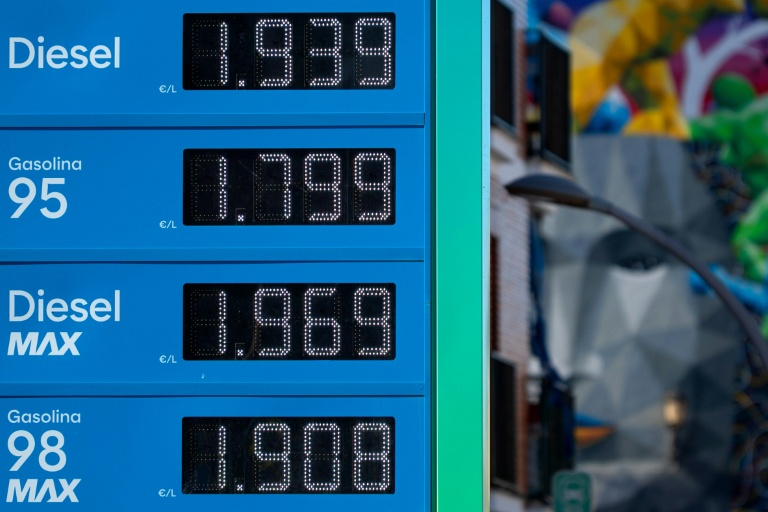
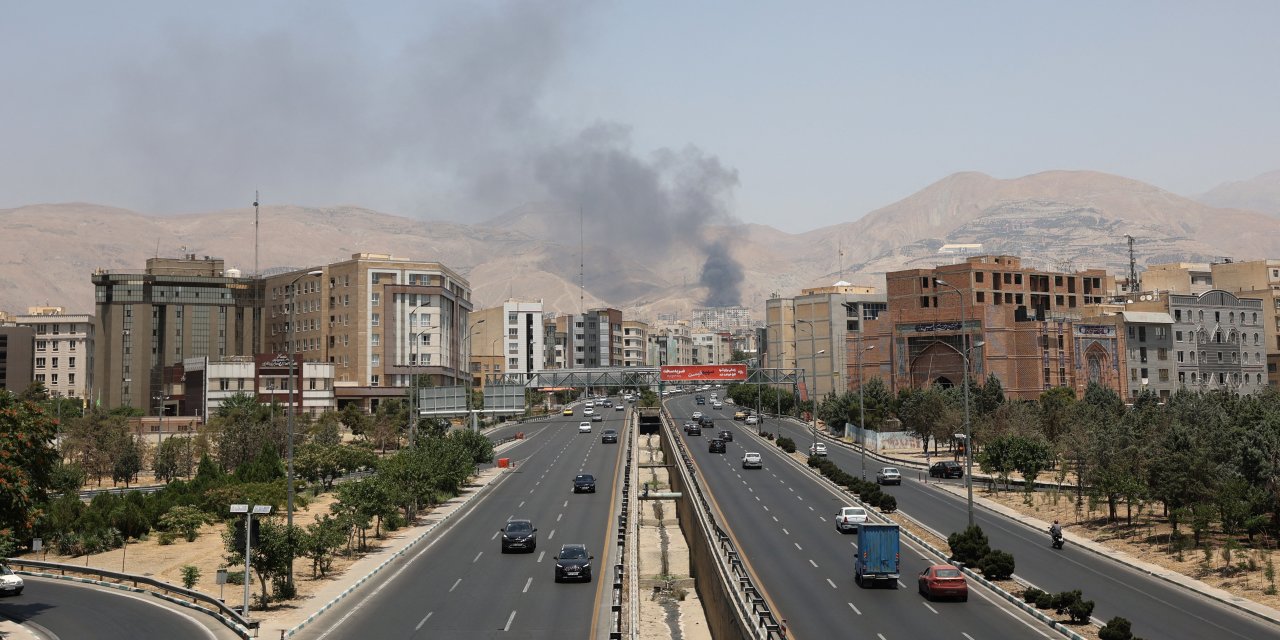
The ongoing conflict involving Iran is significantly altering the global economic landscape, with the United States gaining a strategic advantage in several areas. Despite rising fuel costs that are impacting consumers, the U.S. economy has shown resilience, while other regions, especially in Europe, are grappling with inflation, higher interest rates, and slower growth due to surging energy prices.
Economists highlight that this divergence stems from structural differences between the U.S. and its allies. The U.S. benefits from its own energy exports, whereas many countries rely heavily on imported oil and liquefied natural gas (LNG). This dynamic has led to a reevaluation of how energy security is approached globally.
A New Approach to Energy Security
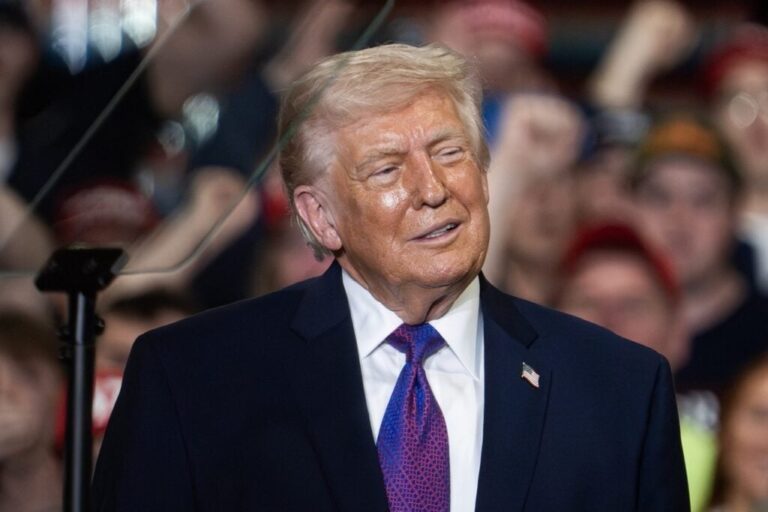
Under President Donald Trump, the U.S. has adopted a more self-sufficient stance on energy. Previous administrations emphasized the free flow of oil as a shared international priority. In contrast, Trump’s administration has focused on U.S. energy independence, noting that the country imports little oil through the Strait of Hormuz and encouraging other nations to turn to American energy supplies.
This shift reflects the transformation of the U.S. into a major energy exporter, driven by the shale boom and expanded LNG infrastructure. Energy exports have become a significant contributor to economic growth and global influence, often surpassing traditional exports like agricultural goods.
Strategic Goals and Geopolitical Leverage
The administration has elevated “energy dominance” as a central strategic goal, linking domestic production to geopolitical leverage. Recent actions, such as those affecting oil supplies in Venezuela, illustrate how energy resources are increasingly being used as tools of foreign policy.
At the same time, the war has exposed vulnerabilities among U.S. allies. Europe, which once relied heavily on Russian gas, has shifted toward U.S. LNG but now faces the risk of overreliance on another supplier. Some policymakers are questioning whether this creates new geopolitical dependencies.
Limitations of America’s Advantage
Despite these advantages, analysts caution that the U.S. position may have limitations. U.S. energy production is relatively costly, and private producers are unlikely to restrict supply in ways that would maximize geopolitical leverage. Moreover, if trading partners perceive U.S. energy exports as a political tool, they may seek alternative sources over time.
Long-Term Outcomes and Uncertainty
The long-term outcome of this evolving situation will depend on how the conflict unfolds. A resolution could restore stability to global energy flows, while a prolonged disruption may deepen the current imbalance, reinforcing the United States’ position as a key supplier in a strained global market.
Key Developments in the Energy Sector
Recent developments in the energy sector include updates on Brent Futures and Crude Oil Futures. Additionally, there are reports on the Q2 update regarding the Iran War, depleting munitions, and market outlooks. Insights from CDT Insider Sentiment in March 2026 discuss the probability race and barbell strategies.
Macro insights also highlight the Hormuz Crisis and how the market responds despite the tension. OPEC+ has signaled a modest increase in output despite the supply crunch driven by the conflict.
Political Tensions and Potential Actions
Political tensions remain high, with Trump threatening Iran with potential strikes on infrastructure in a controversial post. These actions underscore the complex interplay between energy policy, geopolitics, and market dynamics. As the situation continues to evolve, the role of the U.S. in global energy markets will remain a critical factor in shaping the future of the global economy.